That dull, chalky look on your bonnet or roof is more than a cosmetic annoyance. Faded paint can make an otherwise reliable car look neglected, lower its resale appeal and, if the clear coat has failed, leave the colour beneath exposed to further damage. The best ways to restore faded paint depend on what has actually faded: surface oxidation may polish out beautifully, while peeling clear coat or damaged colour needs proper refinishing.
For Manukau drivers, harsh sun, road grime, salt air and years of outdoor parking can all take their toll. The right fix is not always the quickest-looking fix. A good result starts with an honest assessment of the paint condition, then uses the least aggressive method that will deliver a lasting finish.
First, work out what you are looking at
Paint fading is often used to describe several different problems. Light oxidation makes the surface look flat or hazy, but the paint may still feel smooth once cleaned. This is usually the best-case scenario, as a professional machine polish can remove the oxidised layer and bring back depth and gloss.
Clear-coat failure looks different. You may see cloudy patches, white edges, flaking or peeling, often on horizontal panels that receive the most sun. If the clear coat is lifting, polishing cannot bond it back down. It may briefly improve the appearance around the damaged section, but it will not stop the failure from spreading.
A third issue is colour fade. Red, blue and darker older finishes are particularly prone to losing richness after long UV exposure. If the pigment itself has deteriorated, correction has limits. This is where a colour-matched repaint or respray gives the proper result.
Before reaching for a polish, wash the vehicle thoroughly and inspect it in daylight. If you can see bare primer, rust, cracking, peeling or rough patches, skip the DIY products and arrange a paint assessment. Rubbing hard on already thin paint can create a bigger repair.
The best ways to restore faded paint
1. Start with a proper wash and decontamination
Restoration work should never begin over dirt. Traffic film, brake dust, tree sap and embedded contaminants can scratch the surface when you polish, creating more work than you started with.
Use a pH-neutral car wash, clean microfibre mitt and separate bucket for rinsing. Avoid household washing-up liquid, as it can strip protective products and dry out trim. After washing, a professional detail may include chemical decontamination and a clay treatment to remove bonded fallout that ordinary washing leaves behind.
This step will not fix genuine fading on its own, but it reveals the real condition of the paint and gives correction products a clean surface to work on.
2. Use a paint cleanser for mild oxidation
When the colour looks dull but the clear coat is intact, a paint cleanser or light cleaner polish may lift surface oxidation. These products are designed for mild correction and are usually less aggressive than cutting compounds.
Work on a cool panel out of direct sunlight and test a small, inconspicuous area first. If the applicator picks up colour from a single-stage finish, that can be normal. On modern clear-coated paint, however, heavy colour transfer or a sticky, patchy surface is a reason to stop and seek advice.
Hand application can improve a lightly weathered vehicle, but it takes patience and will not produce the same even correction as a machine polish. The goal is a clean, even finish, not simply making one panel shiny for a week.
3. Machine polish paint that still has a sound clear coat
A controlled machine polish is one of the most effective ways to restore faded paint where oxidation, light scratches and wash marks are the main issue. A trained technician uses the right pad, compound and machine speed for the paint system, then refines the surface to bring back clarity rather than leaving haze behind.
There is a trade-off. Polishing removes a very fine amount of material, so it cannot be repeated endlessly. Thin factory paint, previous repairs and sharp panel edges need special care. An experienced panel and paint workshop will measure the condition, test a small area and choose the mildest process that achieves the finish you want.
A proper buff and polish can make a remarkable difference to a vehicle with healthy paint. It will not repair peeled clear coat, deep stone chips or rust bubbling under the surface.
4. Treat stone chips and scratches before they spread
Small chips can interrupt an otherwise tidy finish and create a pathway for moisture to reach metal. Touch-up paint is useful for small, isolated marks, particularly on a daily driver, but it needs realistic expectations. A brush-applied touch-up reduces visibility and protects the panel; it rarely disappears completely at close range.
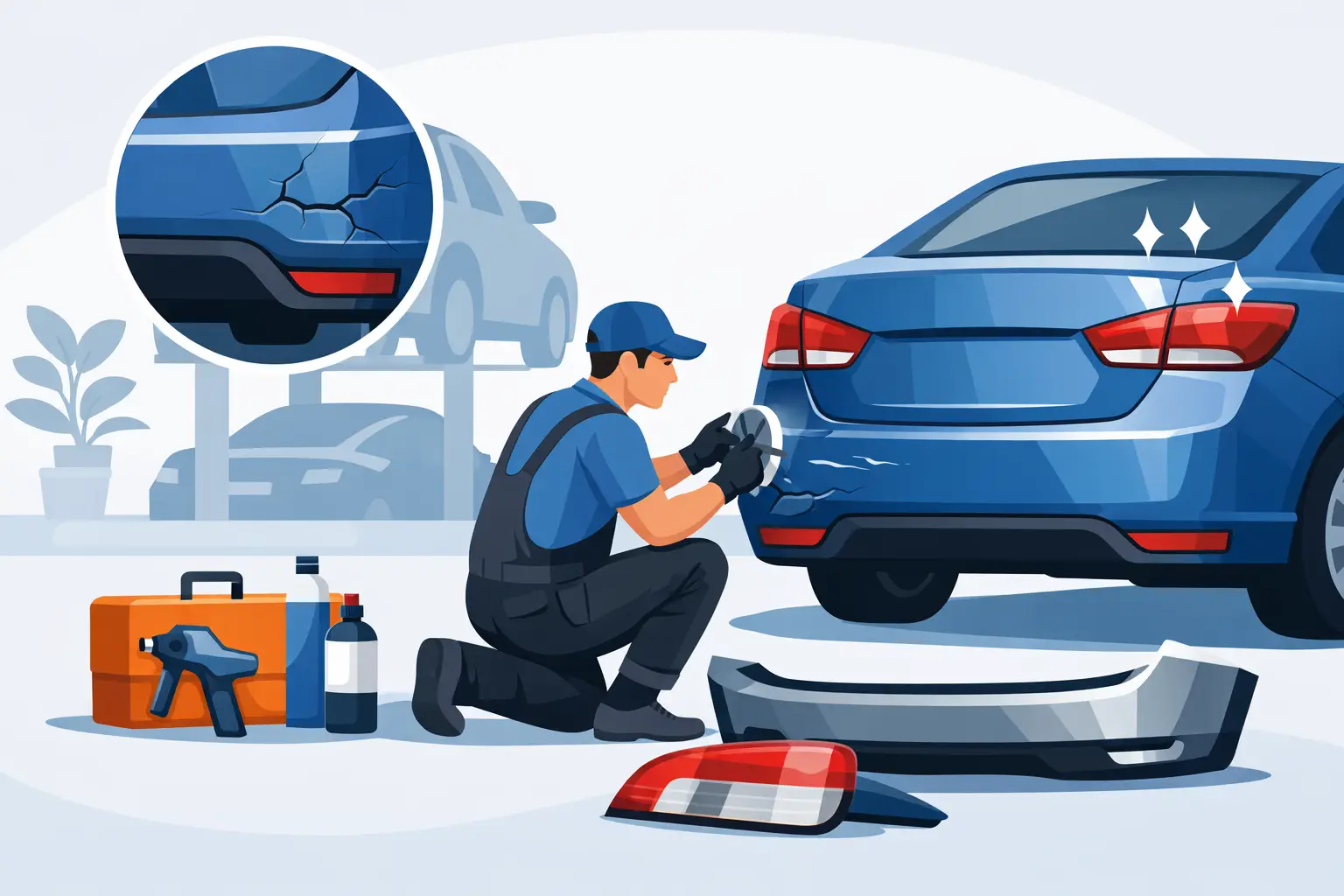
For more noticeable damage, a workshop can prepare the affected area, apply colour matched to your vehicle and blend the repair where needed. Colour matching is especially important on faded vehicles, because the colour code on the build plate may no longer match the weathered paint beside it exactly.
If a chip has started to rust, deal with it promptly. Covering corrosion with touch-up paint without removing it first only hides the problem for a short time.
5. Repair clear-coat failure with repainting, not more polish
Peeling clear coat is a repainting job. The damaged finish must be sanded back, the surface prepared correctly and new paint and clear coat applied under controlled conditions. Trying to polish or wax over peeling areas may make them look darker temporarily, but it cannot restore the protective layer.
Depending on the damage, the repair may involve one panel, such as the bonnet, roof or boot lid, or a broader blend into adjoining panels. The right scope depends on colour, the location of the fault and the condition of the surrounding paint. A transparent quote should explain what will be painted and why.
At Fast Panel & Paint, the focus is on preparing the panel properly before refinishing, because a glossy top coat is only as good as the surface beneath it. A rushed repaint can leave mismatched colour, poor edges or premature failure.
6. Choose a partial respray when the damage is localised
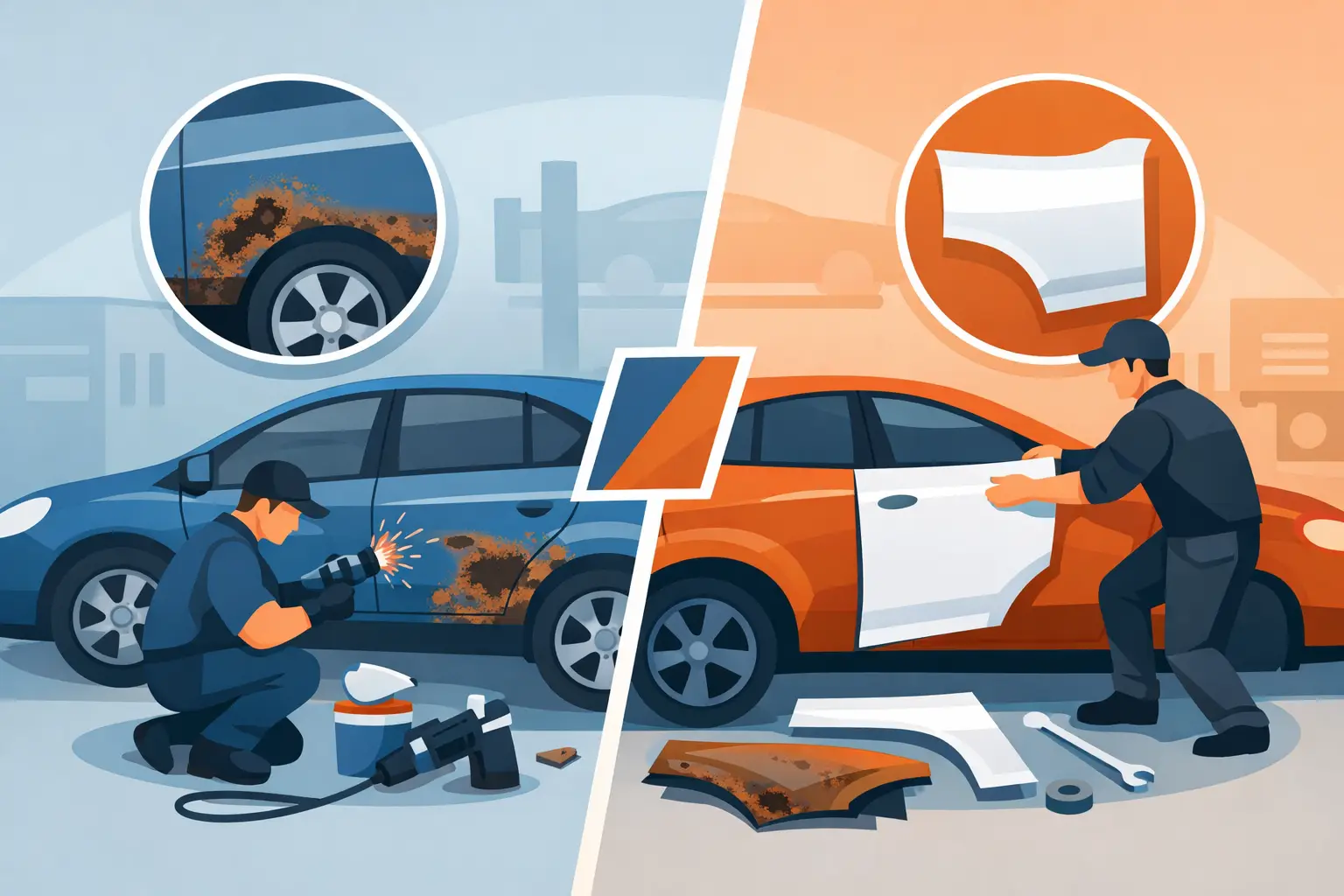
A full respray is not the automatic answer to faded paint. If the sides of the vehicle still look sound but the roof and bonnet have failed, targeted panel repairs can be the more sensible and cost-effective option. This preserves good original paint where possible while restoring the worst affected areas.
On the other hand, an older vehicle with widespread fading, repairs in several colours or failing clear coat across multiple panels may be better suited to a complete respray. It costs more and takes longer, but it provides a consistent finish when patch repairs would look piecemeal.
The decision comes down to condition, budget and how long you plan to keep the vehicle. For a work ute, practical protection may matter more than concours-level uniformity. For a cherished car or one you are preparing to sell, a more comprehensive finish can be worthwhile.
7. Protect the restored finish from day one
Restoring gloss is only half the job. UV exposure begins working on paint again as soon as the car is parked outside, so protection matters. After polishing or refinishing, use a quality paint protectant suited to the work completed and follow the curing advice provided after a repaint.
Regular gentle washing removes contaminants before they bake into the clear coat. Dry the car with a clean microfibre towel rather than leaving mineral-heavy water to spot in the sun. When possible, park under cover, use shade at work, or consider a breathable car cover for a vehicle stored outdoors.
Avoid automatic brush washes, abrasive cutting compounds and constant polishing for the sake of shine. They can gradually thin the clear coat and create swirls that show up badly in sunlight. A simple maintenance routine done consistently protects the work far better than an aggressive correction every few months.
When professional assessment saves money
If the paint looks dull, a polish may be all you need. If it is rough, peeling, cracked, rusty or uneven in colour, guessing with off-the-shelf products can waste money and make repair preparation harder later. A professional assessment identifies whether the issue is on the surface or through the paint system, then sets clear expectations about the finish, timing and cost.
Your vehicle does not need to be perfect to deserve proper care. Deal with the fade while it is manageable, protect the repaired surface, and you can keep it looking sharp for many more kilometres.