A bumper scrape can look minor until you see it every time you walk back to the car. Whether it came from a tight car park, a low pole, a reversing mishap or another vehicle, professional bumper repairs do more than tidy up the damage. They restore the finish, protect the bumper material and help your vehicle hold its value.
Modern bumpers are designed to absorb low-speed impacts, but that does not mean every mark is only cosmetic. Paint damage can expose plastic, clips can loosen behind the cover, and a crack can spread with vibration and heat. The right repair depends on what has happened beneath the surface as well as what is visible from the outside.
What quality bumper repairs actually fix
Most vehicle bumpers are made from flexible plastic rather than metal. This helps them handle small impacts, but it also means they need a different approach from a dented guard or door. A proper repair starts with checking the bumper cover, mounting points, trims, grilles, sensors and brackets. If the bumper is sitting unevenly, has gaps around the headlights, or feels loose, the issue may be more than a scuff.
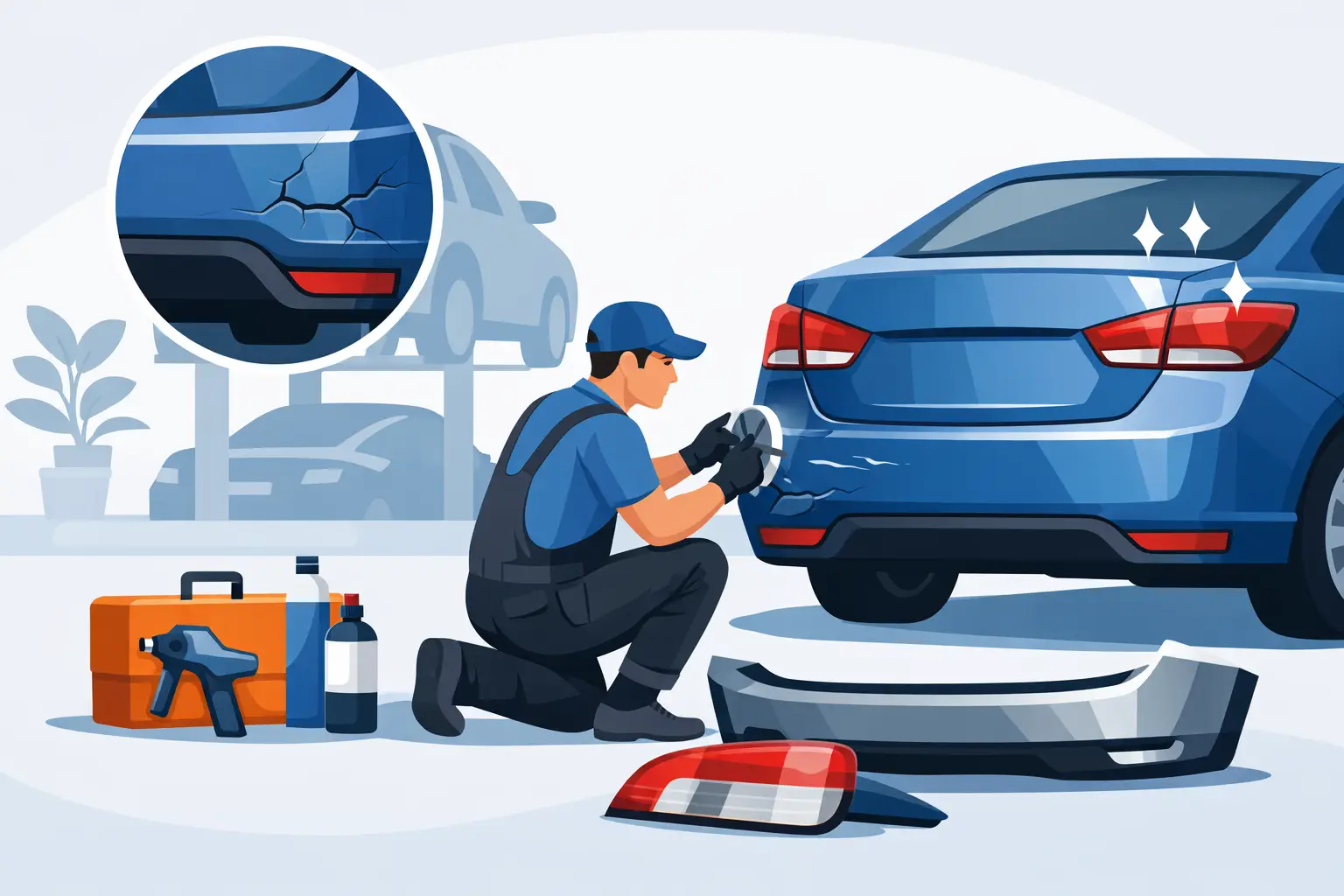
For light scrapes and paint transfer, the repair may involve careful preparation, refinishing and colour matching. Deeper gouges usually need the damaged area shaped and filled with a flexible repair material before paint is applied. Cracks may need plastic welding or reinforcement from the rear, giving the bumper a stable base rather than simply hiding the split with filler.
The goal is a finish that looks right from every angle and stands up to normal use. That means matching the paint colour, metallic flake and gloss level to the rest of the vehicle. A bumper painted in a slightly different shade or with a rough texture can be just as noticeable as the original damage.
Repair or replacement: which makes sense?
Replacement is not automatically the best answer. In many cases, bumper repairs are more cost-effective and avoid replacing a part that is still structurally sound. A repair is often a sensible option when the bumper has surface scratches, scuffs, small dents, minor splits or localised damage around an edge.
Replacement may be the better call if the bumper is badly torn, distorted across a large area, missing mounting tabs, or has damage that affects safety-related components. Vehicles fitted with parking sensors, cameras, radar units or advanced driver assistance systems need extra care. A knock that seems modest can affect brackets, wiring or sensor alignment, so the bumper should be assessed properly before a repair plan is set.
There is also a practical difference between an older runabout and a newer family SUV. On a well-kept newer vehicle, a high-quality repair protects presentation and resale appeal. On an older vehicle, the focus may be on a durable, tidy result at a sensible price. Honest advice should account for the vehicle, the damage and your plans for it, not push a one-size-fits-all fix.
Why DIY touch-ups often fall short
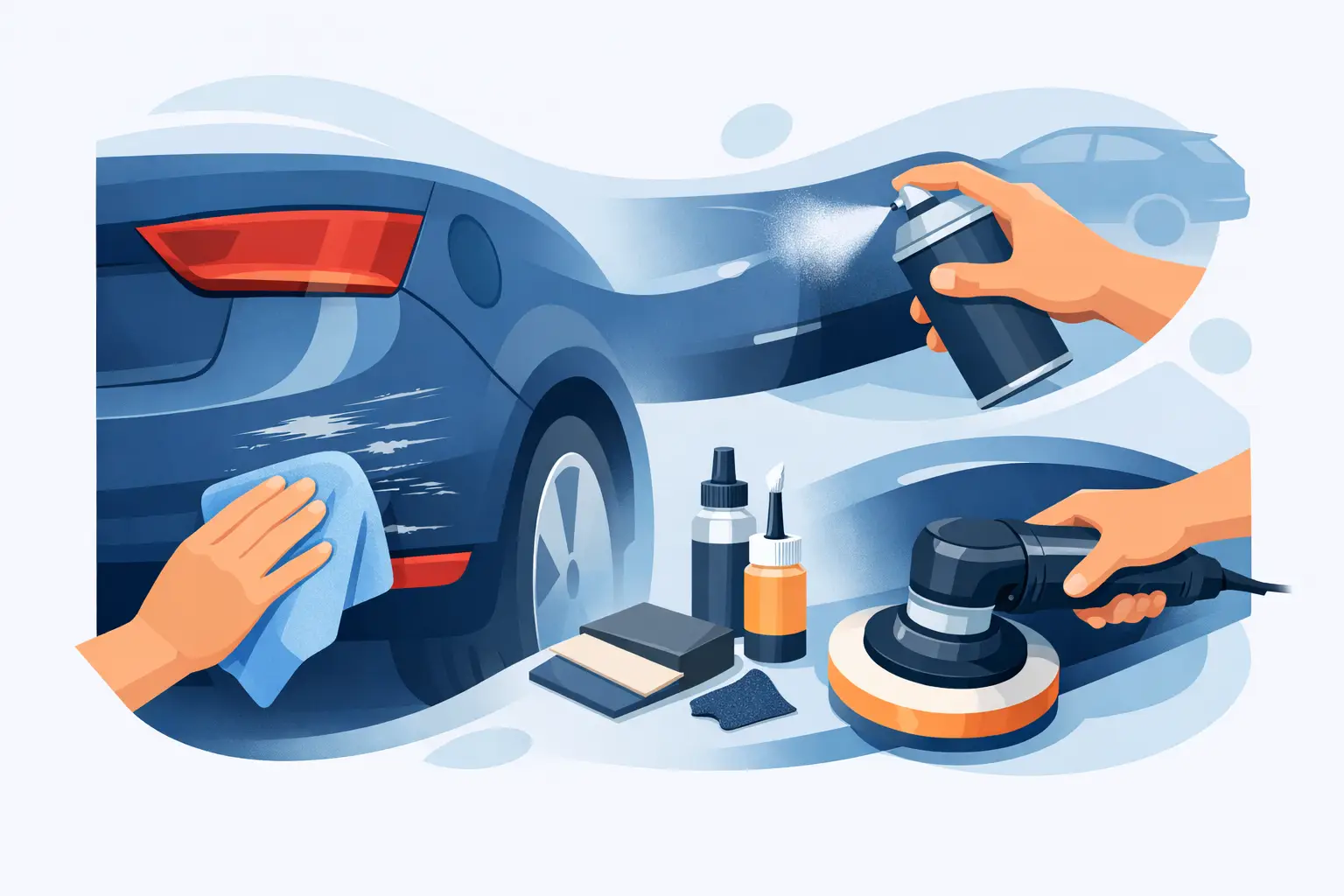
A small touch-up kit can be useful for a tiny stone chip, particularly if you want to seal exposed paint quickly. But bumper damage is rarely just a matter of brushing colour over a mark. Scratches need correct sanding, flexible plastic needs suitable primers, and paint needs to be blended and cleared properly to avoid a visible patch.
Spray cans can leave dry edges, mismatched gloss, overspray on nearby trim and a finish that fades differently over time. If there is a crack, covering it with paint does nothing to stop it reopening. The same applies to a bumper that has popped out of place – forcing it back can break clips or leave it sitting proud of the panel.
A workshop repair gives the damaged area the preparation it needs before colour goes on. It is the unseen work that makes the visible result last.
The paint match matters more than most people expect
Paint codes are a starting point, not a guarantee of a perfect match. Sun exposure, age, previous repairs and the angle of metallic paint can all change how a colour appears. White can vary from warm to cool. Silver and grey can show a mismatch quickly. Pearls and metallics need careful application so the finish sits naturally beside the guards, bonnet and doors.
A good refinishing process considers the condition of the existing paint and blends where required. It also restores the right sheen. Gloss black lower trims, textured plastic sections and colour-coded bumper covers all need products and techniques suited to their finish.
Signs you should book an inspection
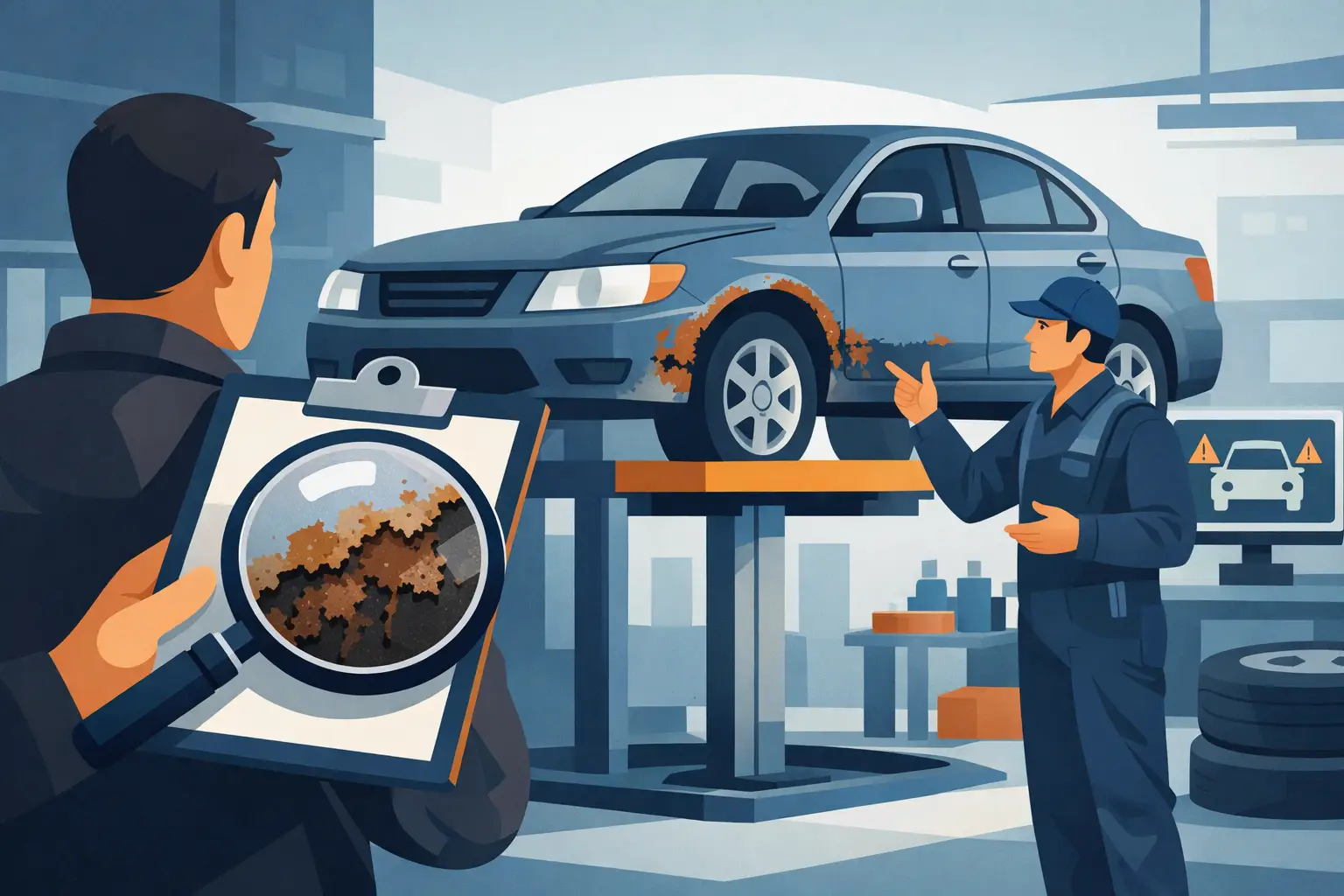
Do not wait for a minor bumper issue to become an irritating or expensive one. It is worth having the vehicle checked if you notice the bumper is loose, misaligned or rubbing against another panel. The same goes for cracks, deep gouges, peeling paint, broken clips, a damaged reflector, or sensors that start giving false warnings after an impact.
Water can find its way behind damaged trims, and loose sections can worsen with road vibration. If the vehicle has been involved in a collision, even at low speed, an inspection can identify damage hidden behind the bumper cover. This is especially relevant if the impact was near a wheel arch, headlight, grille or parking sensor.
For insurance work, clear photos and a detailed assessment help establish what needs to be repaired. The best outcome is not simply getting approval quickly. It is making sure the approved work addresses the full damage and returns the vehicle to a tidy, secure condition.
What to expect from a professional repair process
The process should feel straightforward. First comes an assessment of the bumper and the surrounding panels. This helps determine whether the work is limited to cosmetic refinishing or whether plastic welding, bracket repair, sensor checks or replacement parts are needed.
Once the scope is clear, you should receive a plain-English quote that explains the work rather than burying you in jargon. The repair itself typically involves removing or masking relevant components, cleaning and preparing the damaged area, repairing plastic where necessary, priming, colour matching and applying the final paint finish. Reassembly and final checks matter just as much as the paintwork. The bumper should fit cleanly, trims should be secure, and the finish should look consistent in natural light.
Turnaround time varies. A straightforward scuff repair may be completed far sooner than a bumper with cracks, sensor damage or parts on order. The right workshop will set realistic expectations and keep you updated if anything changes. Fast Panel & Paint takes that practical approach: quality repair work, clear communication and no confusion about what your vehicle needs.
Protecting your bumper after the repair
Once the repair is complete, give fresh paint the care it deserves. Follow the workshop’s advice on washing and polishing times, as newly refinished surfaces need time to cure. Avoid harsh chemicals, aggressive brushes and high-pressure water too close to edges in the early period.
Longer term, regular washing helps remove road grime, salt and contaminants that dull paint. Take extra care around high kerbs and steep driveways, particularly with low front bumpers. Reverse cameras and parking sensors are useful, but they do not replace a quick visual check when space is tight.
A well-repaired bumper should not draw attention to itself. It should sit correctly, match the vehicle’s colour and let you get back on the road without being reminded of that car park scrape every day.