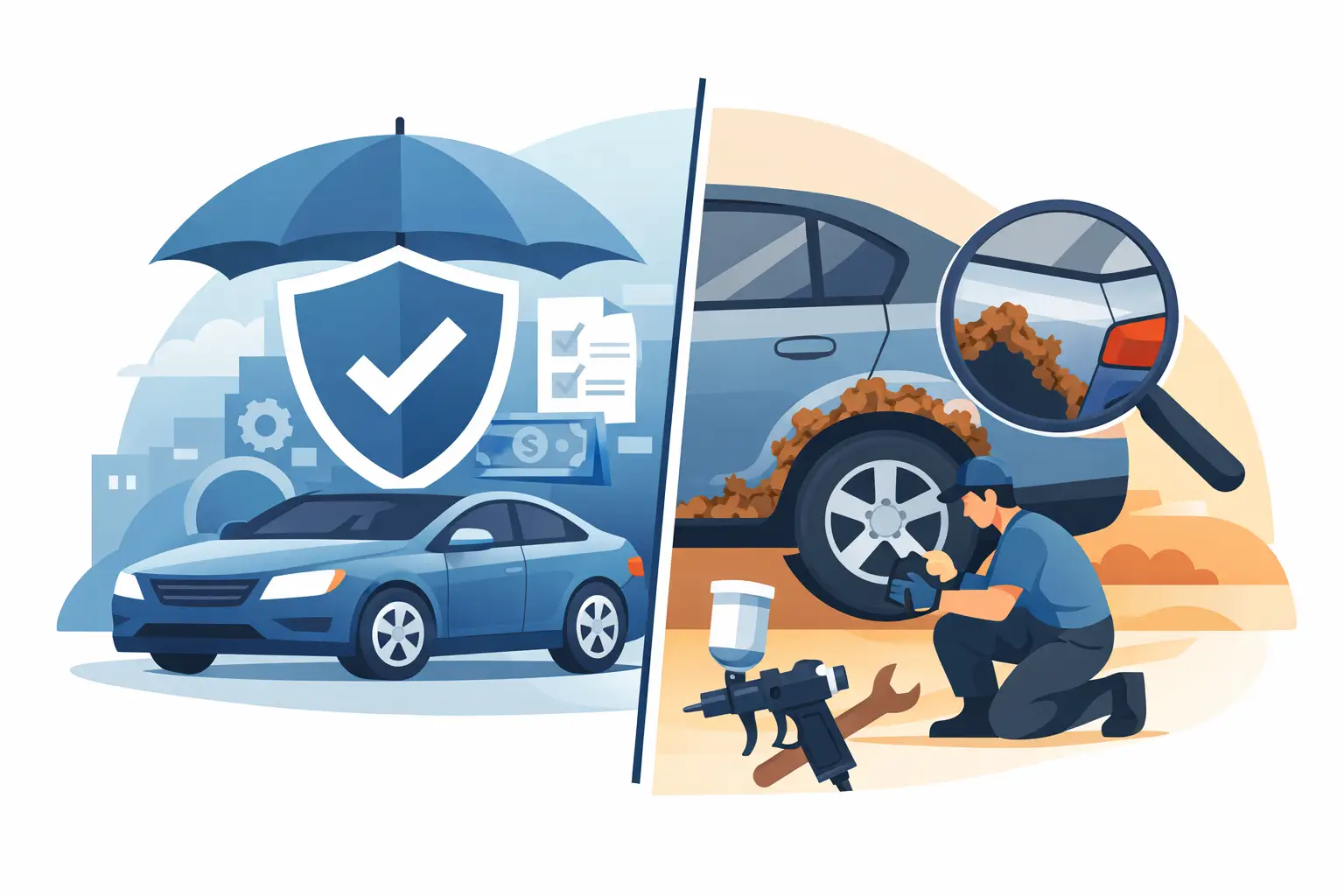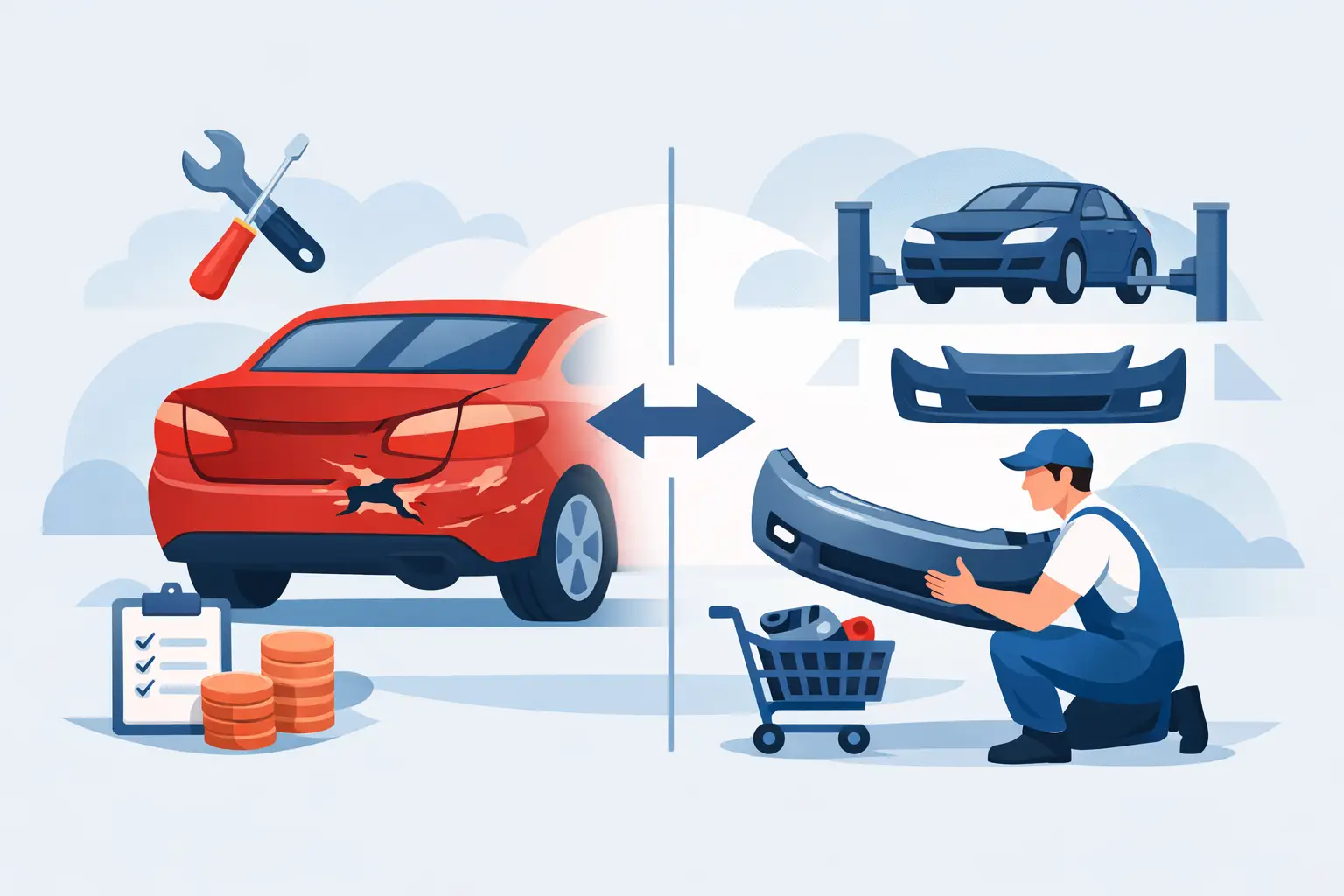
That low-speed bump in a car park can leave you with an annoying question straight away – what will this actually cost to fix? When people ask about bumper repair vs replacement cost, they usually want a clear answer fast. The honest answer is that it depends on the damage, the bumper material, the paint finish, and whether the impact has affected anything behind the bumper as well.
A lot of drivers assume a scratched or cracked bumper automatically needs replacing. In plenty of cases, that is not true. Modern repair methods can save a bumper that looks worse than it really is, especially when the damage is localised and the mounting points are still sound. On the other hand, some bumpers that seem minor on the surface can hide broken tabs, sensor issues, or structural damage that make replacement the smarter long-term option.
Bumper repair vs replacement cost: what changes the price?
The biggest factor is the type and extent of damage. Light scuffs, paint transfer, minor dents and small cracks are often repairable, which usually keeps the cost lower than sourcing and fitting a new bumper. If the bumper has split plastic, major deformation, missing sections, or damage around clips and brackets, the job can move closer to replacement territory.
Paint work also matters more than many people realise. A plain solid colour is generally simpler to match than metallic, pearl, or three-coat finishes. If colour blending is needed into nearby panels to get a proper finish, that adds labour and materials. Good bumper work is not just about filling a mark and spraying over it. It is about getting the surface straight, the paint match right, and the finish clean enough that the repair does not stand out every time you walk up to the car.
Your vehicle make and model affects pricing too. A bumper for a common hatchback or family SUV is often easier to source than one for a prestige vehicle, late-model European car, or a model with limited parts availability. Some bumpers also come loaded with parking sensors, camera housings, trims, grilles, mouldings, and driver-assist features. Those parts increase both repair complexity and replacement cost.
When bumper repair makes more sense
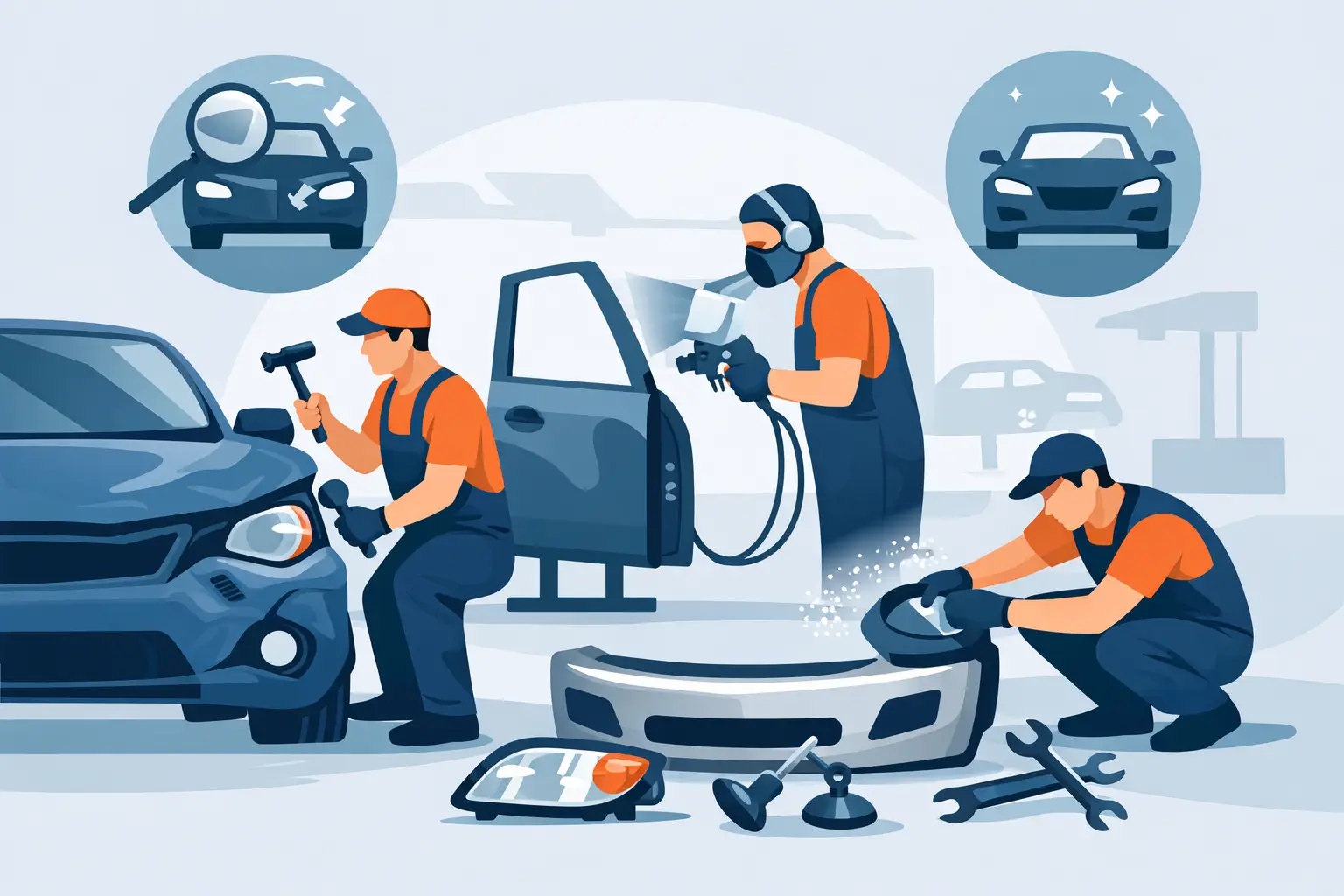
Repair is usually the better option when the bumper still has its overall shape, the damage is confined to one area, and the internal supports have not been compromised. Surface scratches, scraped corners, shallow indentations, and many plastic cracks can often be repaired professionally with plastic welding, filling, reshaping and repainting.
For everyday drivers, repair can offer the best balance between cost and finish. You avoid paying for a completely new part, and if the job is done properly, the bumper can look factory-fresh again. This is especially worthwhile when the damage is cosmetic rather than structural.
There is also a practical benefit in turnaround time. In some cases, repairing the original bumper is faster than waiting for parts to arrive, particularly if the new part is on backorder or only available through a dealer network. If you need your car back on the road quickly for work, school runs or general life, that can matter just as much as the quote itself.
When replacement is the better call
Sometimes replacement is simply the more honest recommendation. If the bumper has severe cracking, torn plastic, broken retaining points, or heavy distortion, a repair may be possible but not sensible. You do not want to pay for a labour-heavy fix on a part that may not hold up properly over time.
Replacement is also often the safer path when the impact has affected brackets, absorber foam, reinforcement bars, sensors or mounting areas. Even if the visible plastic can be patched, the bumper assembly needs to fit correctly and protect the vehicle as intended. A bumper that sits poorly, rattles, or pulls away from the guards is not a quality result.
In insurance jobs, replacement may be approved more readily if the damaged bumper and attached components push repair labour beyond a reasonable threshold. It is not just about whether it can be repaired. It is about whether repair remains cost-effective and durable once all steps are counted properly.
Typical bumper repair vs replacement cost ranges
As a general guide in Australia and New Zealand style repair markets, minor bumper repairs might sit in the lower hundreds if the damage is limited to scuffs or small paint defects. More involved repairs with crack repair, plastic welding, reshaping and repainting can move higher depending on labour, prep work and paint complexity.
A full bumper replacement usually costs more because you are paying for the new or aftermarket part, preparation, paint, fitting, and sometimes calibration or refitting of sensors and trims. On newer vehicles or higher-end models, the total can climb quickly. If there is hidden damage behind the bumper, the final figure can rise further.
That said, there is no universal number that fits every car. A cheap quote can leave you with poor paint match, weak repairs, or corners cut on prep. A proper quote should account for the actual condition of the bumper, not just the mark you can see from two metres away.
Hidden costs people often miss
One of the biggest surprises for car owners is that bumper damage is not always limited to the bumper cover itself. A seemingly light impact can damage clips, brackets, liners, parking sensors, undertrays and reinforcement components. If the bumper has shifted, the panel gaps may need adjustment as well.
Another overlooked cost is paint matching. A bumper sits right next to highly visible panels, so even a small mismatch in colour or gloss can be obvious in daylight. A quality repairer will factor in the prep and refinishing needed to achieve a consistent result, not just the fastest possible spray job.
There is also the durability question. A quick cosmetic patch might cost less upfront, but if the repair fails, flakes, or cracks again, you can end up paying twice. For most owners, value means getting the job done once and done properly.
How to decide between repair and replacement
The best starting point is a proper inspection, not a guess based on photos alone. Pictures can be helpful for a rough idea, but they rarely show broken tabs, stretched plastic, or internal damage. Once the bumper is assessed in person, it becomes much easier to explain whether repair or replacement offers the better result.
If you are comparing quotes, ask what is actually included. Is it a full repair and refinish? Is the bumper being removed? Are trims, sensors and brackets included? Is the quote based on repairing the existing part or fitting a new one? Clear answers matter because two prices can look similar on paper while covering very different levels of work.
For older vehicles, budget may lean the decision toward repair if the damage is moderate and the car does not justify expensive new parts. For newer vehicles, replacement can make more sense where fit, safety features and resale presentation are bigger priorities. Neither option is automatically right every time.
Why workmanship matters more than the cheapest quote
Bumper repairs sit right at eye level. You notice poor prep, bad paint match and uneven finish straight away. That is why the workshop matters as much as the method. Skilled repair work should restore the shape cleanly, refinish the surface properly and leave the bumper fitting as it should.
At Fast Panel & Paint, that practical approach matters. Customers want honest advice, fair pricing and a repair that actually lasts. Sometimes that means saving the original bumper and keeping costs sensible. Other times it means recommending replacement because it is the better result, not because it inflates the bill.
A good repairer will talk you through the trade-offs clearly. Repair may save money, but only if it delivers a solid finish and long-term hold. Replacement may cost more, but it can be the smarter choice when damage is too extensive or the bumper assembly has been compromised.
If you are weighing up bumper repair vs replacement cost, the real question is not just what is cheaper today. It is what gets your car back looking right, fitting right, and staying that way after you drive out.