One quote says $1,200. Another says $2,050. A third lands somewhere in the middle and now you are left wondering whether the cheapest one is a bargain or a headache waiting to happen. If you are trying to work out how to compare repair quotes, the key is not just the final price. It is what is actually included, how the repair is being done, and whether the result will last.
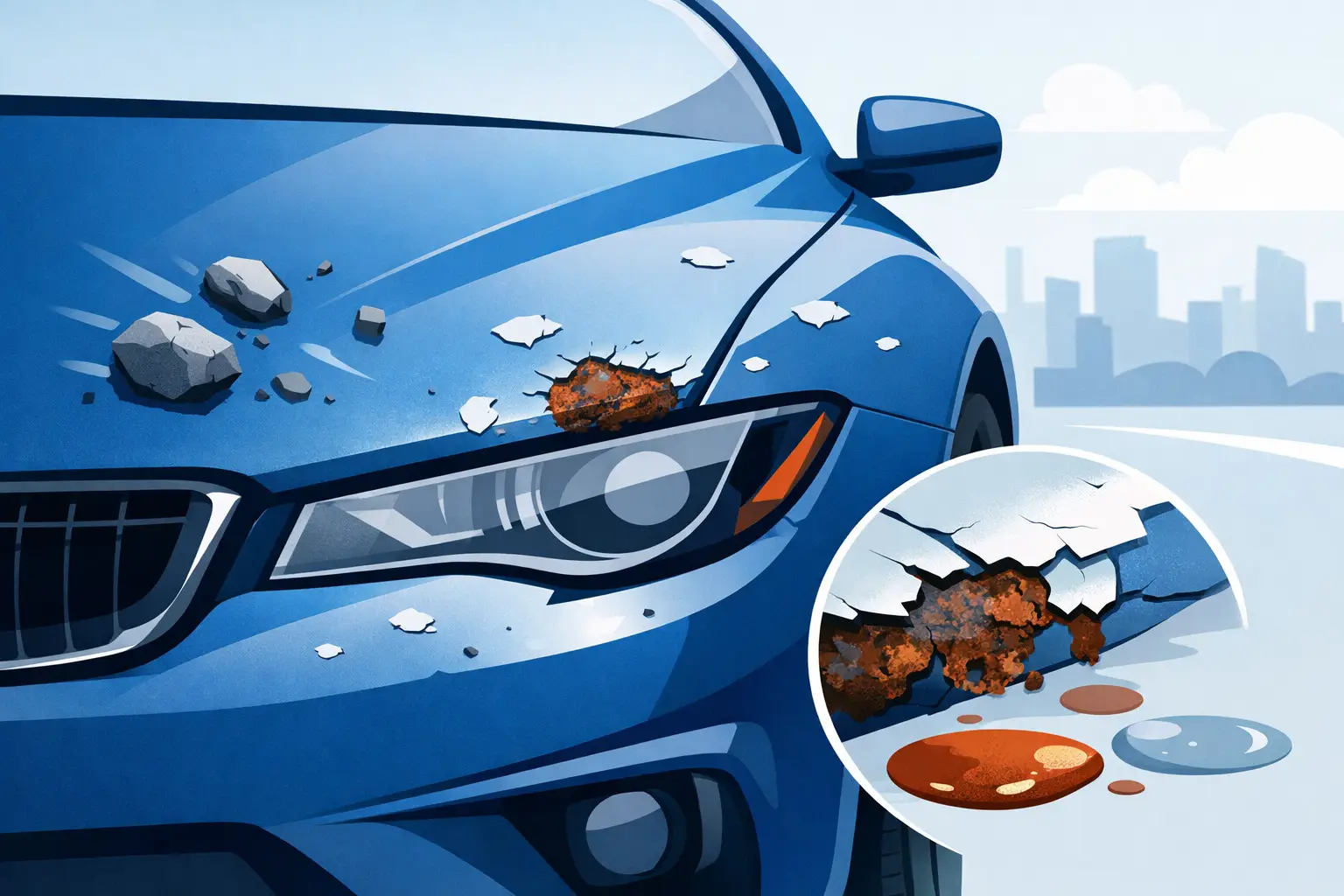
When you are dealing with panel damage, paintwork, bumper repairs or rust, two quotes can look similar on paper while promising very different outcomes. A lower figure can sometimes mean a smarter repair method. It can also mean corners are being cut. The difference matters because poor repairs do not stay hidden for long. Paint mismatch, peeling clear coat, rough panel gaps and rust coming back are all expensive problems to fix twice.
How to compare repair quotes without guessing
The first thing to check is whether each workshop is quoting on the same job. This sounds obvious, but it is where plenty of people get caught. One repairer may be pricing to repair a guard, blend colour into the adjacent panel and replace broken clips. Another may only be pricing to fill and paint the visible damage. Both are repair quotes, but they are not equal.
Ask each shop to explain the scope in plain language. What panels are being repaired? What parts are being replaced? Is paint blending included? Are trims, lights or mouldings removed and refitted? If one quote includes proper preparation and refinishing while another skips steps, the cheaper option is not really cheaper. It is just smaller.
A good quote should make the work feel clear, not vague. You should be able to see what is happening to your vehicle and why.
Look past the bottom line
Price matters. Of course it does. Most drivers are not looking to spend more for the sake of it. But when you compare repair quotes, the total should be the last thing you judge, not the first.
Start by checking labour, materials and parts. If one quote is dramatically lower, there is usually a reason. It may be fewer labour hours, lower-grade paint products, second-hand parts, or less preparation before paint. Sometimes that is fine. For example, a used bumper for an older daily driver may be a sensible choice. Other times, especially with structural work, rust repairs or colour matching on visible panels, cheaper methods can leave you with a result that does not hold up.
The right question is not, “Which quote is cheapest?” It is, “What am I getting for this amount?”
What should be included in a repair quote?
A proper repair quote should spell out more than a rough dollar figure. You want enough detail to understand the method and enough transparency to trust the price.
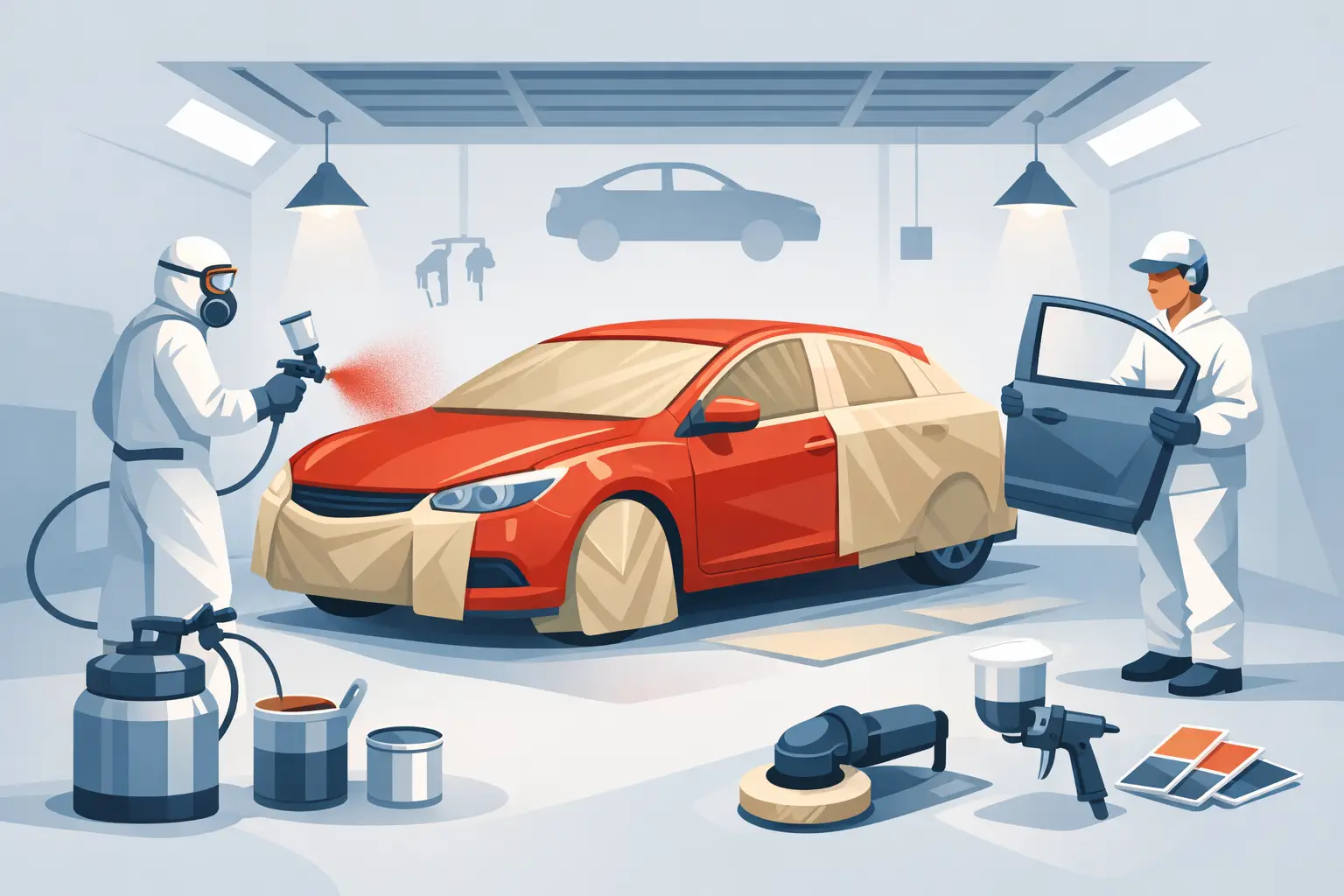
For body and paint work, that often includes panel repair or replacement, preparation, primer, colour matching, painting, clear coat, reassembly and final finishing. Depending on the damage, it may also include plastic welding, paintless dent removal, rust treatment, underbody protection, auto electrical checks or wheel alignment referrals.
If the quote just says something broad like “repair and paint damaged area”, ask for more detail. That wording does not tell you how thorough the work will be. It also makes it harder to compare one workshop with another.
Parts, materials and paint quality matter
Not all parts and paint systems are the same. That is where a lot of quote differences come from.
A repairer may use genuine, aftermarket or recycled parts. Each option has its place. Genuine parts can offer the best fit, but they usually cost more. Aftermarket parts can be cost-effective, though fit and finish vary. Recycled parts can work well for some vehicles if they are in good condition and properly matched. The key is knowing which one is in the quote.
The same goes for paint materials. OEM-approved products and quality refinishing systems cost more than budget alternatives, but they generally give better colour consistency, durability and finish. If your vehicle is newer, metallic, pearl or a difficult colour to match, product quality and painter skill become even more important.
Cheap quote or smart quote?
A lower quote is not automatically a bad one. An experienced workshop may use efficient repair methods, have better systems, or know when a panel can be repaired instead of replaced. That can save money without lowering the standard.
But there is a difference between efficiency and shortcutting. If a quote is unusually cheap, ask how the workshop plans to achieve that price. Are they repairing instead of replacing? Using non-genuine parts? Skipping blend panels? Limiting prep time? None of these are automatically wrong, but they should be explained.
Honest workshops do not get defensive when you ask practical questions. They walk you through the repair and help you understand the trade-offs.
Watch for hidden costs
Some quotes look competitive until the extras start rolling in. That is why it helps to ask what could change the price.
In panel and paint work, hidden damage is common. Once trims come off or panels are stripped back, more issues can appear. Previous poor repairs, rust under the paint, cracked mounts behind a bumper, or damage to brackets and clips can all add time and cost. A good repairer will tell you upfront that quote variations are possible if unseen damage is found.
That is not a red flag by itself. What matters is how they handle it. You want clear communication before extra work is done, not surprises at handover.
How to compare repair quotes for insurance jobs
Insurance-related repairs need a slightly different lens. In that case, you are not always just comparing price. You are comparing process, communication and whether the shop can work smoothly with assessors and insurers.
Ask if the workshop regularly handles insurance repairs and supplements. A repairer who knows the process can often make things easier, especially if extra damage is uncovered after assessment. Delays often happen when paperwork, approvals or parts coordination are slow, so experience counts.
If you have the option to choose your repairer, focus on who will restore the vehicle properly and keep you informed. Fast turnaround matters, but not at the expense of finish quality or safety.
Signs a repairer is worth trusting
The quote itself tells you a lot about the workshop behind it. If it is rushed, vague or hard to explain, the job may go the same way.
Look at how they communicate. Do they answer questions clearly? Do they explain the repair plan in a way that makes sense? Are they upfront about timing, parts availability and possible delays? Good repairers are usually direct. They know customers want honesty more than fancy talk.
It also helps to ask about turnaround time, workmanship standards and how the finish will be checked. A shop that takes pride in visible results will talk confidently about preparation, colour match, panel alignment and final quality control.
The timeline matters too
A fast quote is nice. A realistic timeline is better.
If one workshop promises your car back in two days while everyone else says a week, ask why. They may genuinely have capacity and a streamlined process. Or they may be underestimating the work. Paint curing times, parts delivery, insurer approvals and reassembly all affect turnaround.
The best repair is one that is done properly the first time and returned when it is actually ready, not rushed out the door.
Questions that help you compare repair quotes properly
When you are deciding between quotes, a few simple questions can clear up a lot:
- What exactly is included in this repair?
- Are parts genuine, aftermarket or recycled?
- Will the colour be blended into nearby panels if needed?
- What could cause the quote to change once work starts?
- How long should the repair take?
- Is the work guaranteed?
You do not need to speak like a technician. A good shop will meet you where you are and explain things clearly.
For drivers around Manukau, that matters just as much as the dollars on the page. You want the car looking right, driving right and holding up after the job is done.
Choosing value, not just price
The best quote is not always the highest or the lowest. It is the one that gives you a clear repair plan, fair pricing and confidence in the result. Good panel and paint work is part skill, part process and part honesty. When one of those is missing, the quote can look better than the repair ever will.
If you take the time to compare scope, materials, communication and likely finish, you will make a stronger call. And if a repairer is open, detailed and proud of their workmanship, that usually shows long before the first panel is touched.
Your vehicle is worth fixing properly. A quote should help you see that clearly, not leave you guessing.