A tired clear coat on the roof, faded paint on the bonnet, rust bubbles near the wheel arch, or mismatched panels after earlier repairs – these are usually the moments people start looking for a guide to full car repainting. And fair enough. A full respray is a big job, and if it’s done properly, it can completely change how your car looks, how well it’s protected, and how confident you feel driving it.
The catch is that not every car needs a full repaint, and not every repaint delivers the same result. The real value comes from understanding what you’re paying for, what condition the vehicle is in before paint starts, and what separates a quick cosmetic job from a finish built to last.
What a full car repainting job actually includes
A full repaint is more than spraying new colour over old paint. Done properly, it starts with assessing the body, the existing paint system, and any underlying damage. That includes dents, chips, rust, previous repairs, peeling clear coat, and plastic parts that may need different prep methods from metal panels.
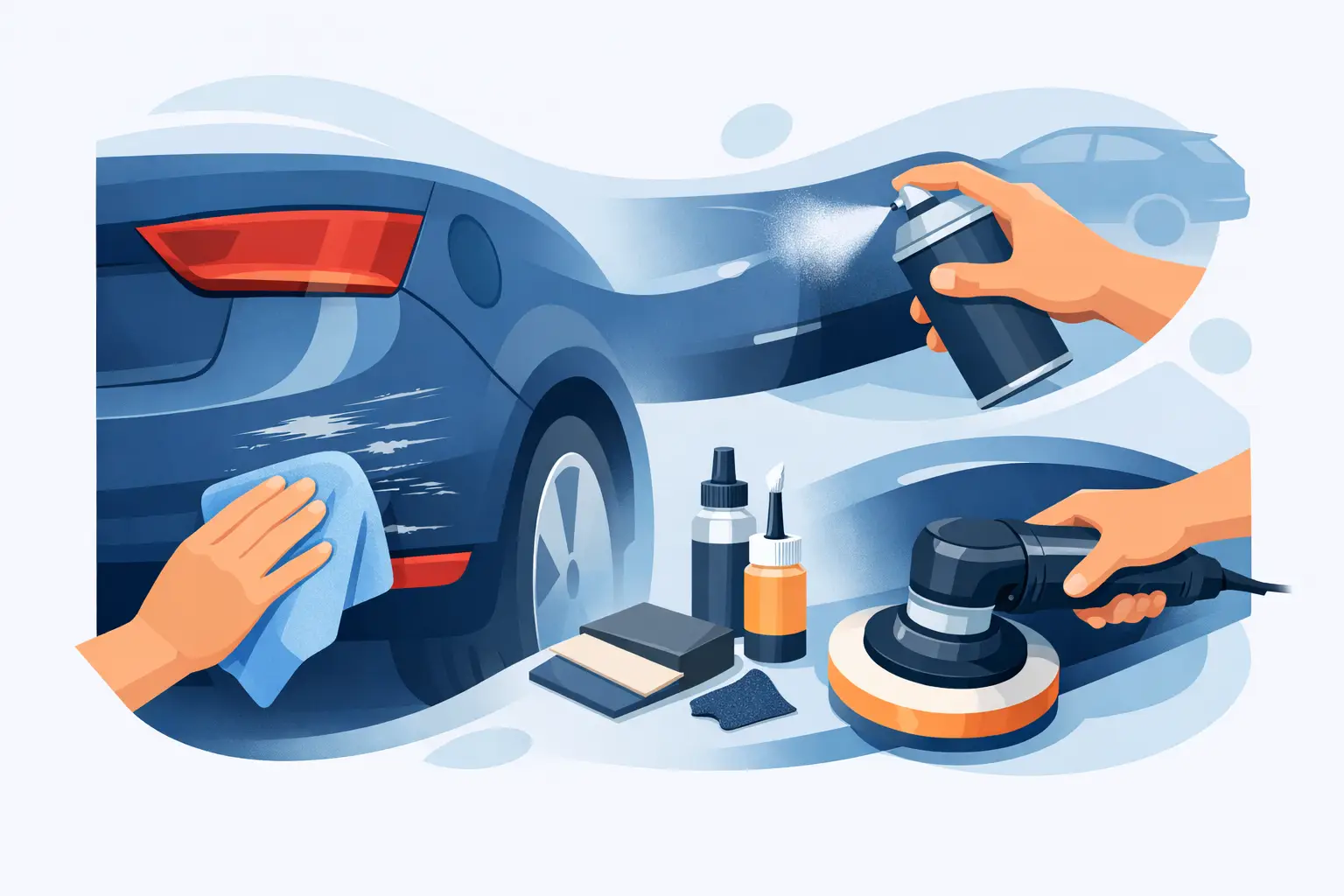
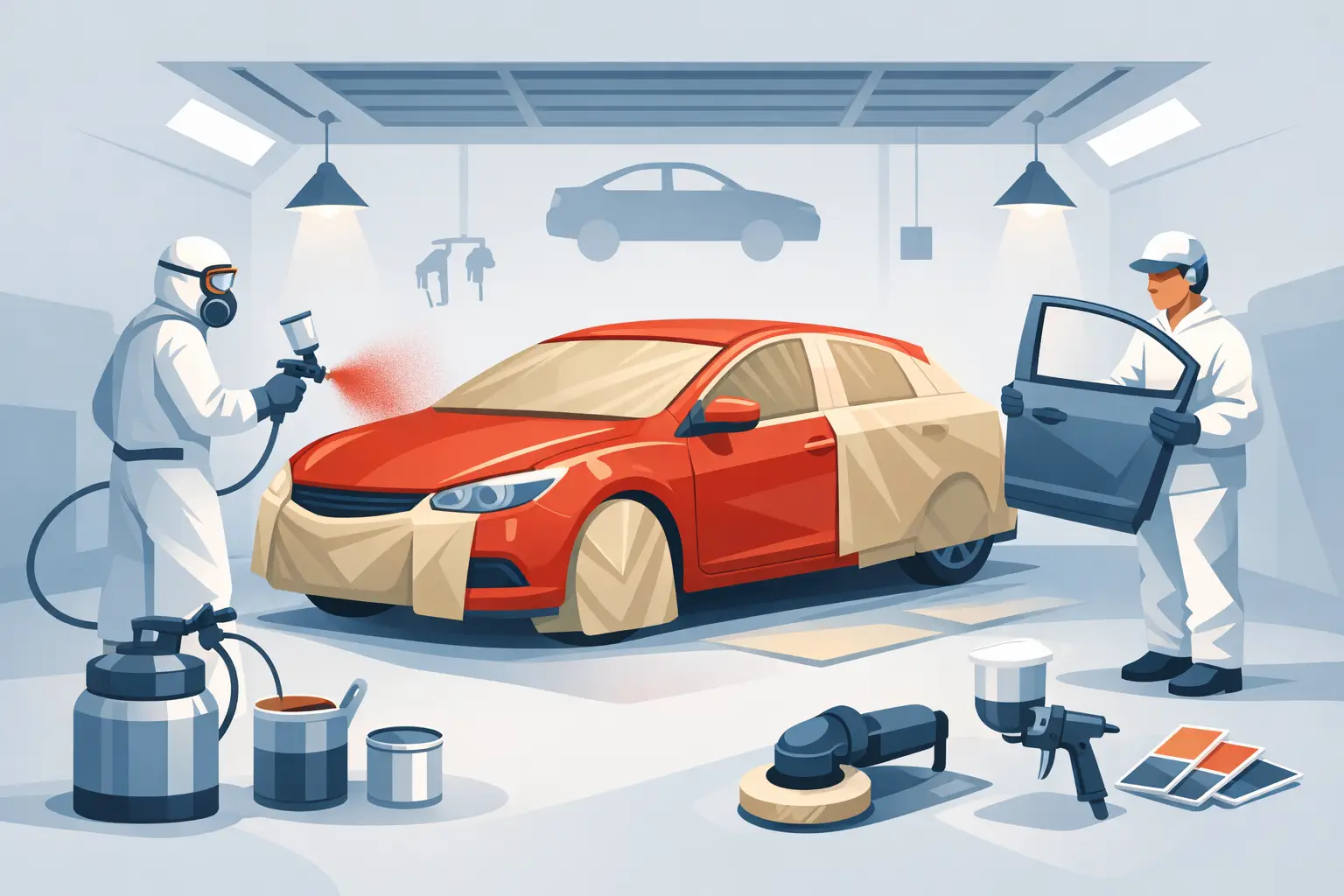
From there, the car is prepared panel by panel. That can involve sanding back damaged areas, repairing dents, removing corrosion, feathering edges, applying primer, blocking surfaces smooth, masking trims and glass, then spraying basecoat and clear coat in controlled conditions. After curing, the finish may be cut and polished to remove minor imperfections and bring out depth and gloss.
That’s why two quotes for a “full respray” can be very different. One workshop may be pricing for proper prep and repair work. Another may be pricing for a fast cosmetic cover-up. They are not the same product.
Guide to full car repainting – when is it worth it?
A full repaint makes sense when the paint issues are widespread rather than isolated. If your car has sun damage across multiple panels, clear coat failure on the roof and bonnet, patchy colour fading, old repairs that no longer match, or visible rust spots in several areas, painting one or two panels often won’t fix the overall look.
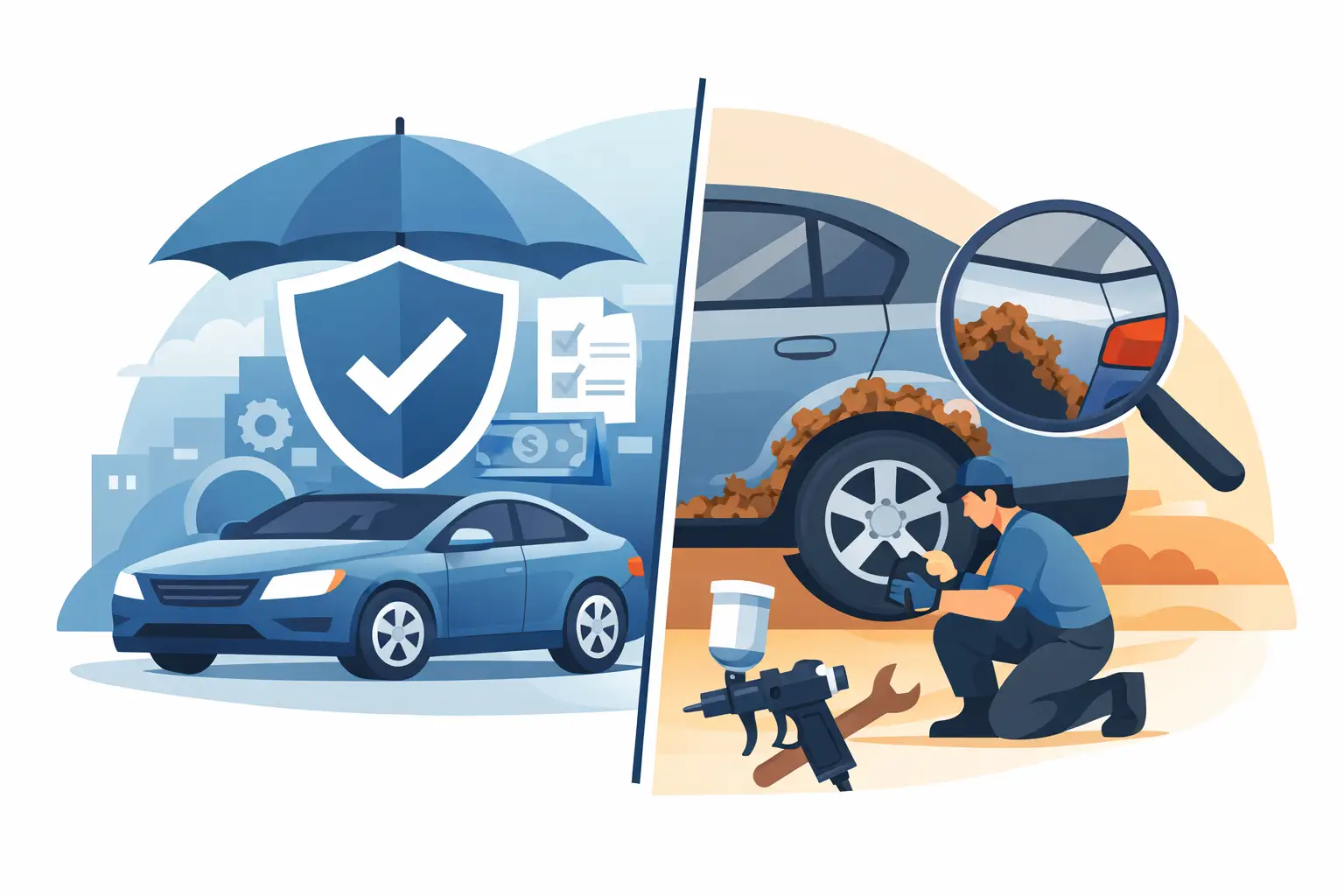
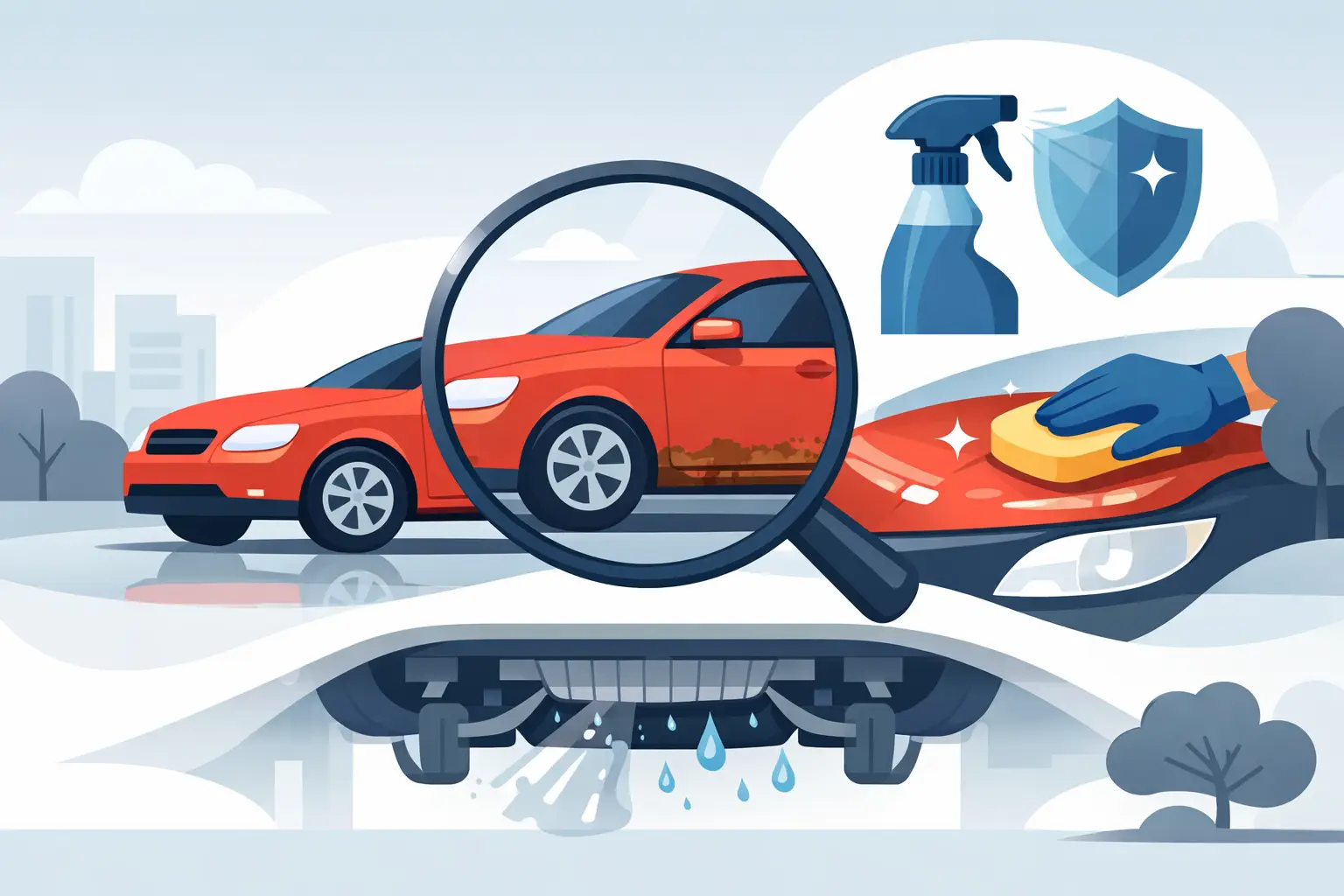
It can also be worth it if you want to keep the vehicle for years and protect the bodywork before problems get worse. Paint is not just about appearance. It’s one of the layers standing between metal and moisture. Once paint breaks down, rust tends to get more expensive, not less.
On the other hand, a full respray may not be the best move for every car. If the vehicle has major structural issues, severe widespread corrosion, or a market value lower than the likely repair cost, a workshop should be honest about that. Good advice matters just as much as good paint.
The biggest factors that affect cost
The size of the vehicle matters, but condition matters more. A small hatchback with peeling paint, rust in the sills, and poor previous repairs can take more labour than a larger SUV with straight, clean panels. Labour is usually the biggest part of the price because prep work takes time, and quality prep is what the final finish sits on.
Colour choice can also change the job. Repainting in the original colour is usually more straightforward than changing the colour entirely. A colour change often means extra work in door jambs, under the bonnet, inside the boot area, and around edges where the old colour would otherwise remain visible. Metallics and pearls can also require more care to keep the finish even.
Then there’s the level of disassembly. Removing trims, handles, lights, mouldings, mirrors, badges and sometimes glass can lead to a cleaner end result, but it adds labour. If a quote seems surprisingly cheap, it’s worth asking how much stripping and refitting is actually included.
Why preparation matters more than the final coat
People naturally focus on the glossy top layer because that’s what they can see. In reality, the lasting quality of a repaint is usually decided much earlier. If rust is not removed properly, if dents are filled poorly, if the surface is not sanded correctly, or if contaminants remain on the panel, the paint can fail long before it should.
Common signs of poor prep include sinking repairs, ripples in reflections, peeling around edges, blistering, overspray on trims, and mismatched texture from panel to panel. A quality workshop aims for straight panels, clean lines, proper adhesion and a finish that looks right in full sun, not just under workshop lights.
That’s also why rushing a repaint is risky. Fast turnaround is great when it’s backed by the right systems, materials and process. But no workshop can cheat curing times, rust treatment or panel preparation without the result eventually showing it.
Guide to full car repainting – what the process usually looks like
Most full repainting jobs begin with an inspection and quote. This is where the workshop checks the visible condition of the paint and body, asks about your goals, and explains what’s realistic for your budget. If the car has accident damage, old body filler, or hidden corrosion, some issues may only become fully visible once sanding or dismantling starts.
Next comes preparation and repair. This stage often takes longer than customers expect, because it’s where the body is brought back to a stable, paint-ready condition. Rust is cut out or treated properly, dents are repaired, previous failed work is corrected, and surfaces are primed and blocked smooth.
After prep, the vehicle is masked and painted in a controlled booth. Basecoat provides the colour, while clear coat gives gloss and protection. Once cured, the finish may be refined with denibbing, buffing and polishing where needed.
Finally, the car is reassembled, checked in natural and artificial light, and cleaned before handover. A good workshop will also explain aftercare, because fresh paint needs the right treatment in the early period after delivery.
Questions worth asking before you approve the job
If you’re comparing quotes, ask what body repairs are included, whether rust treatment is part of the price, how far the vehicle will be stripped before paint, and whether the repaint covers jambs and inner areas or only exterior panels. These answers tell you far more than the headline number.
It’s also smart to ask what paint system and materials are being used, whether the workshop matches factory colour codes properly, and what happens if hidden issues are found after work starts. Clear communication here helps avoid surprises later.
And ask about timing in practical terms. Not just “How long will it take?” but “What could delay the job?” Parts supply, extra repairs, weather-related humidity control, and curing schedules can all affect handover dates. Honest timing is better than an optimistic promise that keeps shifting.
Aftercare makes a difference
A fresh repaint needs a bit of care early on. Even once the car is ready to drive, the paint may still be hardening. That means avoiding harsh washing methods straight away, skipping automatic car washes for a while, and following the workshop’s advice on polishing or waxing.
If bird droppings, tree sap or other contaminants land on the surface, clean them off gently rather than letting them sit. New paint looks fantastic, but it also deserves protection if you want that gloss to last.
Getting the result you actually want
The best repainting jobs start with a simple conversation: what’s wrong with the car now, what standard you want at the end, and how long you want that result to last. Some owners want a tidy refresh for a daily driver. Others want a near-showroom finish. Both are valid, but they involve different levels of labour and cost.
That’s where a straight-talking workshop matters. At Fast Panel & Paint, the job is not just to spray colour – it’s to restore the vehicle properly, explain the process clearly, and deliver a finish that holds up in real conditions. No smoke, no inflated promises, just workmanship you can see.
If you’re weighing up a full respray, think beyond the paint itself. Look at the body underneath, the prep behind the quote, and the people doing the work. A proper repaint should do more than make your car look better in the driveway. It should give you confidence every time you walk back to it.