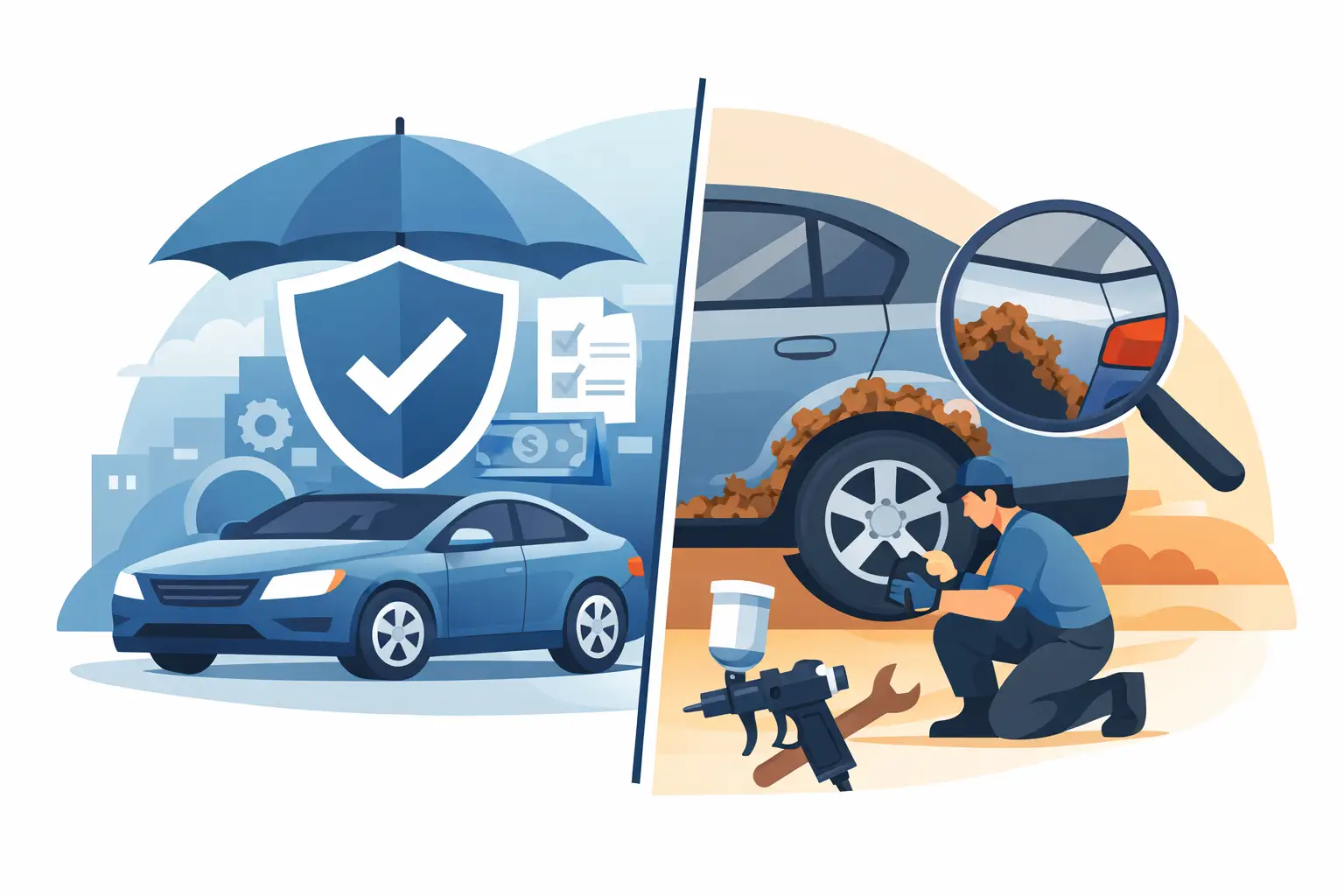
A rust bubble beside the wheel arch can look minor one week and become a WOF headache the next. So, does insurance cover rust repairs? Usually, no – not when the rust has developed gradually through age, weather exposure, missed maintenance or an earlier paint chip. But there are a few situations where your policy may contribute, particularly where a sudden insured event caused the damage that led to corrosion.
The key is understanding the difference between gradual deterioration and accidental damage. Insurers are designed to cover unexpected events, not the slow wear that comes with owning a vehicle. Knowing where that line sits can save you frustration, protect your cover and help you get the right repair done before the problem spreads.
Why most insurance policies exclude rust repairs
Rust is generally treated as wear and tear, corrosion, deterioration or a maintenance issue. Most comprehensive motor policies contain exclusions for these conditions, even if they eventually affect the car’s safety, appearance or value.
That can feel unfair when rust has appeared under paint that otherwise looked sound. Yet from an insurer’s point of view, corrosion normally develops over time. Moisture gets through a stone chip, scratch, failed seal or damaged panel edge, then works beneath the paint. By the time rust is visible, the metal may have been affected for months or years.
Standard third-party insurance will not cover rust on your own vehicle either. Its purpose is to cover damage you cause to another person’s vehicle or property. Third-party fire and theft cover is also unlikely to help with rust unless an insured event, such as a fire, creates separate damage covered under the policy.
When insurance may cover rust-related damage
Comprehensive cover can sometimes respond when rust is a direct result of a specific, insured incident. The important point is that the claim is usually for the event damage, not for pre-existing corrosion or the long-term effects of water exposure.
For example, if another car hits your door and breaks the paint surface, an approved repair should restore the panel properly, including treating exposed metal before refinishing. You should not be left with bare steel that is likely to corrode. Similarly, if storm damage tears away a panel or damages a seal, the insurer may cover the accident-related repair required to return the vehicle to its pre-loss condition.
Flood claims are less straightforward. Flooding may be covered under some comprehensive policies, but coverage depends on the policy wording, the circumstances and the extent of damage. An insurer may assess immediate flood damage to mechanical, electrical and interior components. Rust that develops later may be harder to claim because it can be difficult to prove it resulted solely from that one event rather than ongoing moisture, age or poor drainage.
There is also a difference between rust discovered during an accident repair and rust caused by the accident. If a panel shop finds corrosion behind a damaged bumper or underneath a cracked sill, the insurer may authorise repairs to the collision damage but exclude the extra work needed to remove existing rust. That additional work may be your responsibility.
What an assessor will look for
When you make a claim involving corrosion, an assessor will usually focus on cause, timing and condition. They may inspect whether the panel has old paint failure, previous repairs, stone chips, blocked drains, cracked seam sealer or corrosion in several areas. These signs can indicate the issue was already developing before the claimed event.
They will also consider whether the proposed repair is necessary to fix insured damage. A small dent caused in a car park does not automatically mean an insurer will fund a full rust restoration across an older panel. On the other hand, if accident damage has torn the metal, distorted a rust-free panel or exposed it to the elements, correct corrosion prevention is part of a quality repair.
Good records help. Keep photos of your car, receipts for servicing and previous bodywork, and clear images taken soon after an incident. If you spot damaged paint after a collision, report it promptly and avoid leaving exposed metal untreated while a claim is being assessed.
Read the policy wording before relying on cover
The fastest way to get a clear answer is to read your Product Disclosure Statement and call your insurer or broker. Ask them about your exact situation, rather than simply asking whether “rust” is covered. Explain what happened, when you noticed the issue and whether there was an accident, storm, flood or vandalism event involved.
These questions are worth asking before authorising work:
- Is the damage considered accidental, sudden and covered under my policy?
- Is there an exclusion for rust, corrosion, wear and tear or gradual deterioration?
- Will the assessment cover rust found behind the accident-damaged area?
- What excess applies, and can I choose the repairer?
If the insurer approves only part of the work, request the decision in writing. A professional repairer can then prepare a separate quote for the rust treatment so you can see exactly what is insured and what is not. Clear scope prevents surprises once paint and damaged material have been removed.
Why fixing rust properly matters
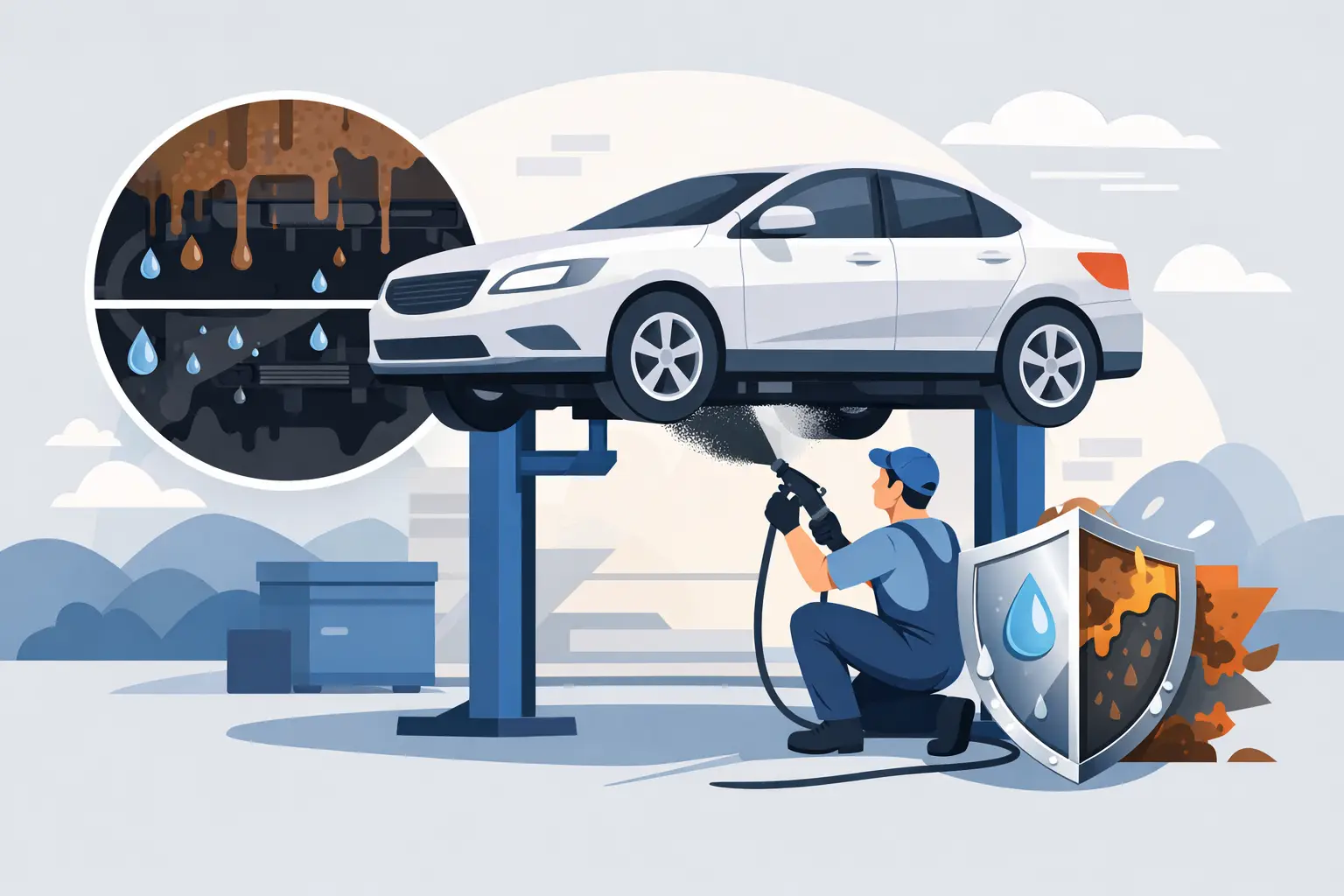
Rust repairs are not just cosmetic. Surface corrosion can spread below paint, weaken thin steel sections and cause larger holes around wheel arches, doors, sills, floors and windscreen surrounds. On older cars and utes, corrosion in structural areas can also create roadworthiness concerns.
A quick paint-over may hide the stain for a short time, but it will not remove the cause. Proper repairs involve removing affected material, treating or replacing compromised metal where required, protecting seams and bare surfaces, then applying compatible primers, colour and clear coat. The panel must be sealed correctly from both sides wherever access allows.
The repair method depends on how far the corrosion has travelled. A small, localised spot may be treated and refinished. Rust that has perforated the metal, spread along a seam or affected a structural section may require cutting out the damaged area and welding in sound metal. That is why an honest inspection matters more than a cheap price quoted from a photo.
Preventing a small issue becoming a large bill
Even where insurance will not pay, early action is usually the most cost-effective option. Check around wheel arches, door bottoms, the boot lip, under body mouldings and beneath damaged paint after washing your car. Pay attention to bubbling paint, brown staining, lifted seams and damp carpet, as these can point to trapped moisture or a leak.
Keep drains and door channels clear, wash road grime from underbody areas and repair stone chips before water reaches the metal. After an accident, do not assume a scuff is only a scuff. A cracked paint film, split bumper mounting point or bent panel edge can let moisture in where you cannot easily see it.
If you are making an insurance claim, choose a repairer that will explain what has been found once the damaged area is opened up. The best outcome is not simply a panel that looks good when collected. It is a properly prepared repair with lasting protection underneath the finish.
Rust does not wait for a convenient time, and neither should the repair. Get the affected area inspected early, ask your insurer for a decision based on the facts of your claim, and make sure any uncovered work is quoted clearly before it spreads further.