A scrape on the bumper, clear-coat fade on the bonnet, or a dented door can make an otherwise reliable car look tired fast. When weighing up spot repair versus full respray, the right answer comes down to more than the size of the damage. Paint colour, panel condition, your budget, and how long you plan to keep the vehicle all matter.
A quality repair should not simply hide the problem for a few months. It should restore the panel properly, match the colour as closely as possible, and leave a finish you can feel proud of every time you walk back to your car. Here is how to decide which approach makes the most sense for your vehicle.
What Is a Spot Repair?
A spot repair is a targeted repair to a small, damaged area rather than repainting an entire vehicle. It is often suitable for minor scuffs, stone chips, light scratches, small dents, bumper damage and localised rust once the affected metal has been treated correctly.
The process starts well before paint is applied. The damaged area is cleaned, repaired, shaped and sanded. Depending on the damage, this may involve panel beating, plastic welding, filler work or rust removal. Primer is applied where needed, then the colour is blended out beyond the repair area before clear coat is added and polished.
The goal is to make the repair disappear into the surrounding paintwork. On many modern vehicles, especially those with solid colours and paint in good condition, a well-executed spot repair can deliver an excellent result without repainting more of the car than necessary.
When a spot repair is the smart choice
Spot repairs are usually the practical option when damage is confined to one small section and the rest of the panel is in good shape. Think trolley marks on a door, a low-speed bumper scuff, a scratch below the fuel flap, or a small dent with paint damage.
It can also be the more cost-effective choice when the vehicle does not need broader cosmetic work. You are paying for the repair required, not a complete paint job. Turnaround is generally faster too, which matters when the car is needed for school runs, commuting or work.
That said, “small” does not always mean “simple”. A deep scratch through to bare metal needs prompt attention to prevent rust. A bumper scrape may look minor but can involve cracked plastic or damaged mounting points underneath. The best repair plan is based on an inspection, not just a photo taken in the driveway.
Spot Repair Versus Full Respray: The Key Difference
The biggest difference between spot repair versus full respray is the scale of the work. Spot repair focuses on a specific area or panel. A full respray refreshes the paint across the whole vehicle, usually following extensive preparation and any needed body repairs.
A full respray is not just a matter of spraying new colour over old paint. For a result that lasts, the workshop must assess the existing paint, deal with dents, rust and failed clear coat, prepare every surface carefully, and remove or mask trims, lights and components as required. The quality of that preparation is what separates a tidy finish from paint that peels, reacts or looks uneven down the track.
Full resprays are a larger investment in both time and cost, but they can transform a vehicle with widespread paint problems. They are often the better value when several panels have faded, the clear coat is breaking down, old repairs are visible, or the vehicle is being restored for long-term ownership.
When a Full Respray Makes More Sense
If your car has sun-faded paint across the roof, bonnet and boot, touching up one section may only make the contrast more obvious. The same is true where multiple panels have scratches, dents or mismatched past repairs. A full respray creates one consistent finish across the vehicle.
It is also worth considering if rust has spread beyond a single localised patch. Rust repairs need to be handled properly at the source. Painting over corrosion is a short-lived cosmetic fix, not a repair. Once affected areas have been cut out or treated, a broader repaint may be needed to achieve an even, durable result.
Owners restoring an older car, refreshing a work ute, or preparing a vehicle they intend to keep for years often choose a full respray. It gives them the chance to address the complete body condition at once, rather than fixing one panel at a time while the rest continues to age.
A colour change is another clear reason for a full respray. Changing from silver to black, for example, means painting areas that are not normally visible, including door shuts and under-bonnet sections, if you want the job to look right. This is detailed work and should be quoted clearly from the start.
Colour Matching Is Where Experience Shows
Modern automotive paint is rarely just a flat colour. Metallic, pearl and tri-coat finishes can look different in shade depending on the angle, light and how the paint has aged. Even the factory paint code can have several variations.
That is why professional refinishing is about more than finding the code and loading paint into a gun. A technician checks the existing paint, mixes and tests colour where necessary, and uses blending techniques to soften the transition between new and old paint. Adjacent panels may need to be blended to create a natural match, even though the original damage was only on one panel.
A spot repair on a white hatchback in good condition may be straightforward. A repair on a faded red bonnet or a pearl white late-model SUV demands more care. Neither situation automatically requires a full respray, but the expected finish should be discussed honestly before work begins.
Cost, Timing and Insurance Considerations
Spot repairs generally cost less because they use fewer materials and less labour than repainting an entire vehicle. They can also be completed sooner, provided there is no hidden damage, paint supply delay or extra repair work uncovered once the panel is stripped back.
A full respray requires more preparation, more materials and more workshop time. It can be the better long-term spend for widespread deterioration, but it is not the cheapest route for a single bumper scuff. A good quote should explain what is included: body repairs, rust treatment, paintwork, blending, trims, polishing and any parts required.
For accident damage, your insurer may assess the repair scope. Their approved repair process may cover the collision-related work but not pre-existing fading, previous poor repairs or a cosmetic repaint you would like done at the same time. Ask for these items to be separated clearly so there are no surprises.
The cheapest quote is not always the best value. Poor preparation can lead to sinkage, visible repair edges, overspray, peeling clear coat and colour mismatch. Rectifying those problems later can cost more than having the repair done properly the first time.
How to Choose Without Guesswork
Start by looking at the condition of the whole vehicle, not only the obvious scratch or dent. If the rest of the paint is healthy and you are happy with its overall appearance, a professional spot repair is often the sensible path. It keeps the job focused and gets your car looking right again without unnecessary work.
If fading, clear-coat failure, rust or old repair marks appear across several panels, ask for a full respray assessment. The answer may still be a partial respray, such as the bonnet and roof, rather than the entire vehicle. A capable repairer will recommend the scope that suits the car, rather than pushing the biggest job.
At Fast Panel & Paint, the focus is on giving vehicle owners a clear picture of the repair, the finish that can realistically be achieved, and the cost before work starts. Whether it is a tidy bumper repair or a complete paint transformation, careful preparation and skilled refinishing make the visible difference.
Your vehicle does not need a full respray every time it picks up a mark. But when its paint is failing across multiple panels, treating only one small area can be false economy. Get the damage assessed properly, choose the repair that suits the condition of the car, and give it the finish it deserves.
Categories:
Related Post
7 Best Ways to Restore Faded Paint Properly
That dull, chalky look on your bonnet or roof is more than a cosmetic annoyance.…
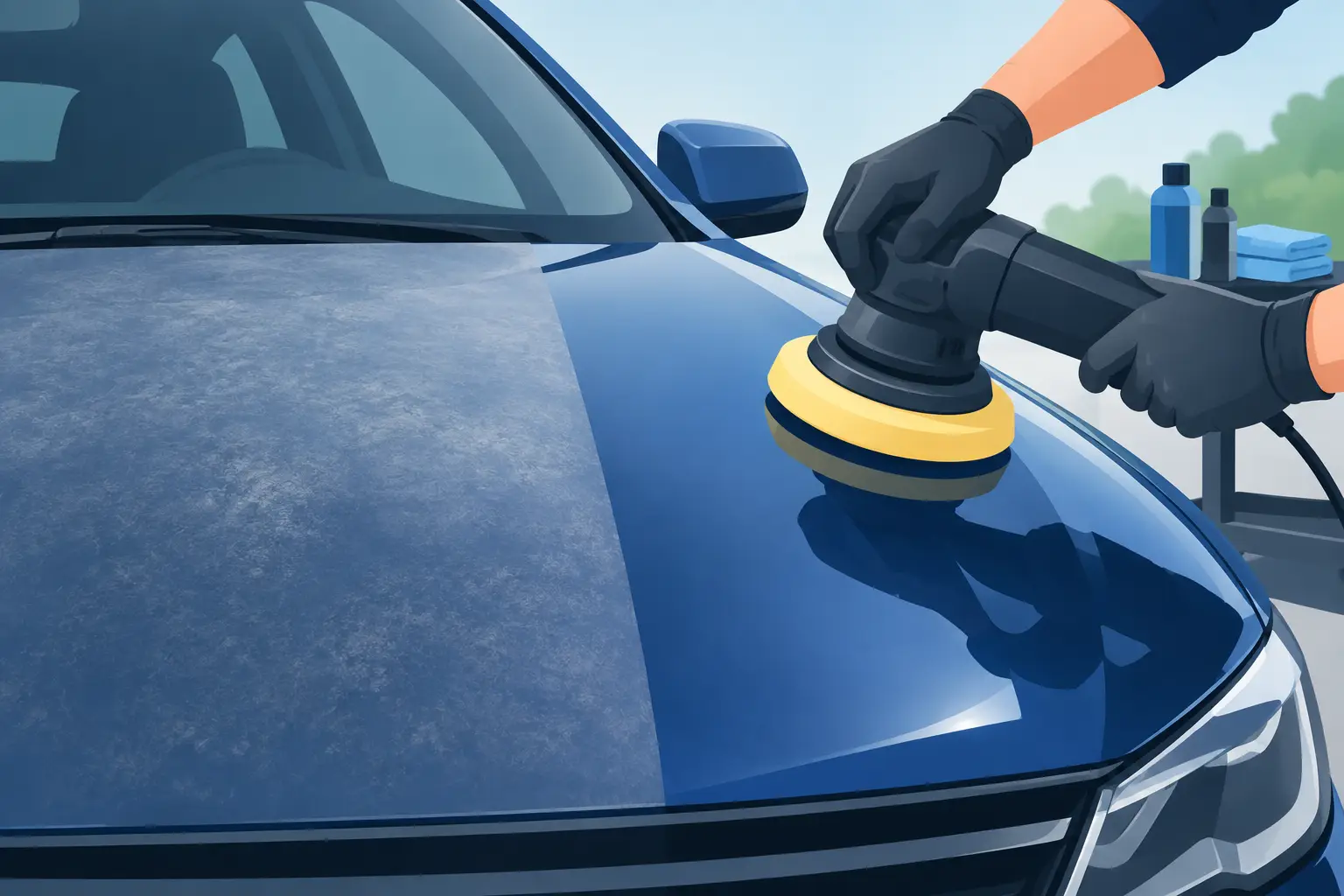
How to Polish Oxidised Paint Without Damage
That chalky, flat look on the bonnet or roof is more than a cosmetic annoyance.…

Panel Damage Assessment Guide for Car Owners
A scrape along the bumper or a dented door can look minor in the driveway.…