A bumper can look like a minor cosmetic casualty after a car park bump, yet the damage behind it may be doing far more than spoiling the look of your vehicle. The question of when do bumpers need replacing usually comes down to what happened beneath the painted surface, not just the dent you can see.
Modern bumpers are designed to absorb low-speed impacts and help protect more expensive components. That makes them repairable in many cases, but not indefinitely. A proper assessment can save you from paying for a replacement you do not need – or from driving on with damaged safety equipment because the outside looked acceptable.
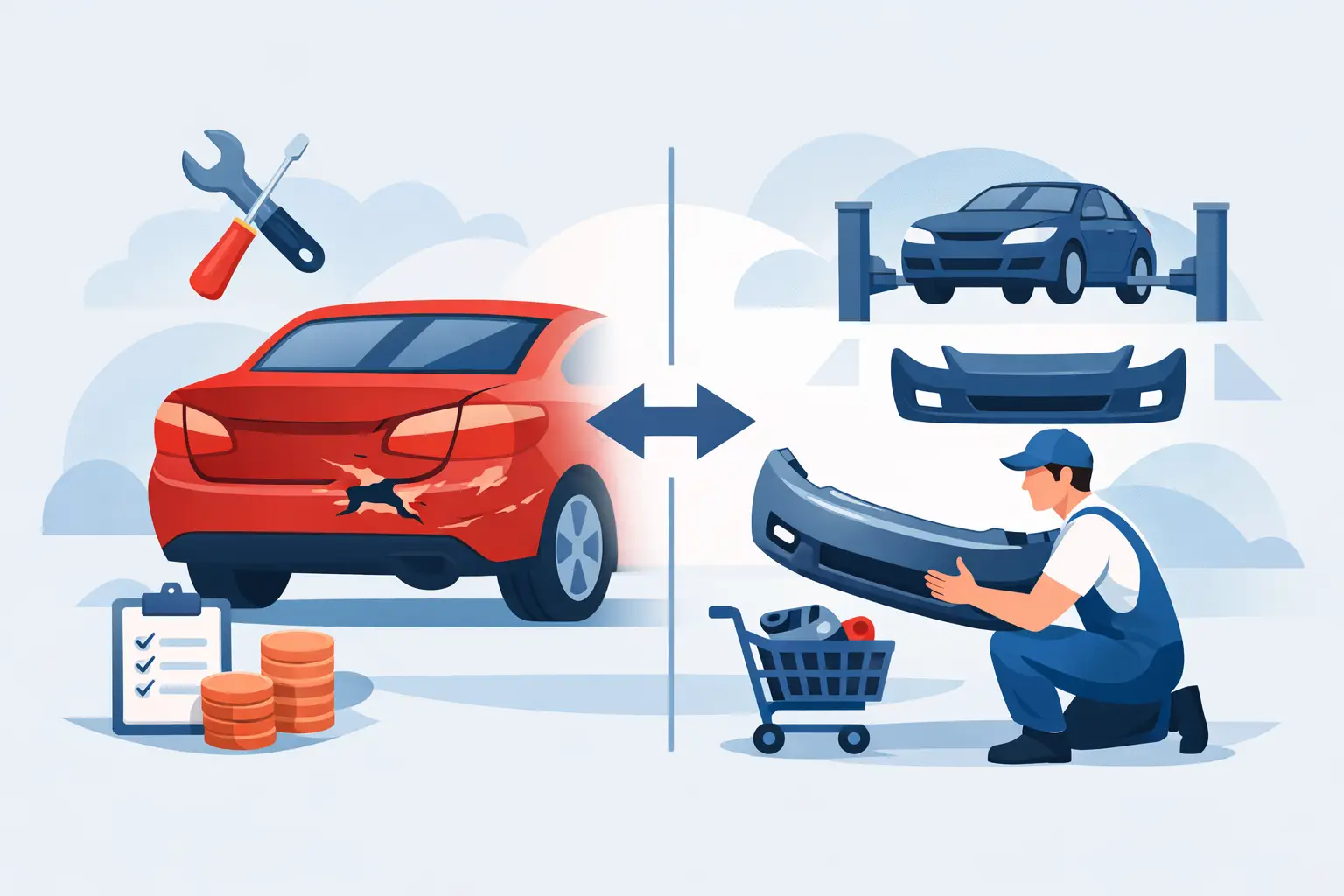
When do bumpers need replacing rather than repairing?
A bumper generally needs replacement when its structure, mounting points or built-in safety features can no longer be restored reliably. Small scuffs, light dents and localised cracks are often repairable with plastic welding, reshaping and professional refinishing. The result can be a clean, durable finish without the cost of fitting a new bumper.
Replacement becomes the smarter option when damage is widespread, the plastic has lost its shape, or a repair would compromise fit, strength or appearance. The goal is not to sell you more work. It is to restore your vehicle properly, so the bumper sits securely, looks right and can do its job in another low-speed impact.
The bumper is cracked through or split in several places
One clean crack in an accessible area may be suitable for plastic welding. Several cracks, long splits, missing pieces or damage along sharp contours are different. These repairs can become less dependable, particularly where the bumper flexes, bolts to the guards or supports other components.
If the plastic is badly torn or sections are missing, a replacement bumper is usually the better long-term fix. Filling over serious damage might make it look better briefly, but it will not recreate the original strength or flexibility of the part.
The mounting tabs or brackets are broken
Your bumper needs to be firmly attached to the vehicle. Broken clips, torn mounting tabs and damaged bracket areas can leave it sagging, rattling or sitting unevenly against the headlights, grille and guards.
Some tabs can be repaired. But if several are broken, or the mounting areas have stretched and distorted, replacement is often more reliable. Poor alignment can also lead to rubbing, water entry and further damage over time. A bumper that is loose after a knock deserves attention even if its paintwork looks fine.
It will not return to its original shape
Heat reshaping can often bring plastic bumper covers back into form after a minor impact. But a bumper that remains heavily warped, creased or stretched may never sit correctly again. This is especially common after a stronger impact that pushes the cover into the reinforcement bar or surrounding panels.
Signs include uneven gaps around the bonnet or headlights, a corner that keeps popping out, or a bumper that bows away from the body. A quality repair is about more than hiding the damage. The panel gaps should be neat and consistent, and the finished vehicle should look like it has been cared for.
Hidden bumper damage matters more than most drivers expect
The visible bumper cover is only one part of the front or rear impact area. Behind it may be an impact absorber, reinforcement bar, brackets, sensors, wiring and, depending on the vehicle, radar units or camera equipment.
After even a low-speed collision, a repairer should check what is behind the cover. A car can drive normally while its absorber has been compressed, a bracket has bent or a parking sensor is sitting out of position. Those issues may not be obvious from the driveway, but they affect how well the vehicle performs and how cleanly the repaired bumper fits.
Replacement may be necessary if the bumper has damaged attachment areas or if repairs would interfere with sensor locations. Modern vehicles are less forgiving of shortcuts. A bumper with parking sensors, blind-spot monitoring, radar or cameras needs the right repair method, correct parts and, where required, calibration after refitting.
Signs you should book an inspection soon
You do not need to decide at home whether your bumper is repairable. You do need to recognise when a quick professional check is worthwhile. Arrange an inspection if you notice any of the following after a bump:
- Cracks, splits, deep gouges or paint peeling from the bumper
- A loose corner, uneven panel gaps or a bumper sitting away from the body
- Parking sensors, cameras or warning lights behaving differently
- Rattles, rubbing noises or loose plastic under the front or rear of the vehicle
- Damage near headlights, tail-lights, wheel arches or the grille
- A hard impact, even where the bumper appears mostly untouched
These symptoms do not always mean a replacement is required. They do mean the vehicle should be checked before a small issue turns into a more expensive repair.
Can a dented plastic bumper be repaired?
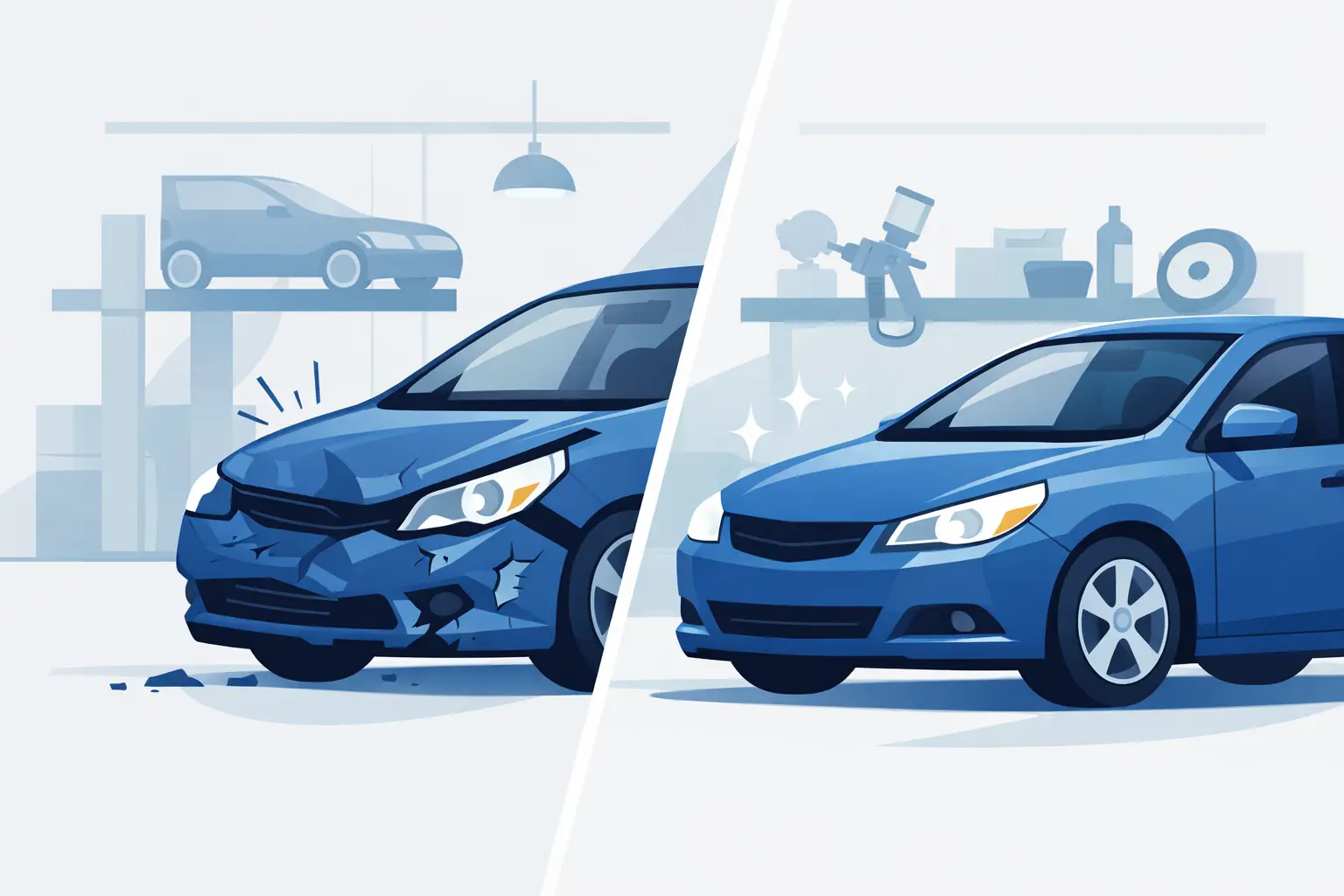
In many cases, yes. Plastic bumpers are built to flex, and a skilled panel repairer can often reshape a dent, repair surface damage and repaint the affected area to match the vehicle’s colour. This is usually a sensible choice for supermarket car park scrapes, low-speed reverses and shallow dents with no damage to the mounts or safety systems.
The quality of the repair depends on preparation. The damaged area needs to be properly cleaned, reshaped and repaired with materials designed for automotive plastics. The paint process matters just as much. Correct colour matching, priming and refinishing help the repair blend with the rest of the vehicle rather than leaving an obvious patch.
There is a trade-off. Repairing a minor dent is often quicker and more affordable than replacement, but a severely stretched or cracked bumper can require so much labour that a new part becomes better value. An honest quote should explain both options clearly.
What about scratches and paint damage?
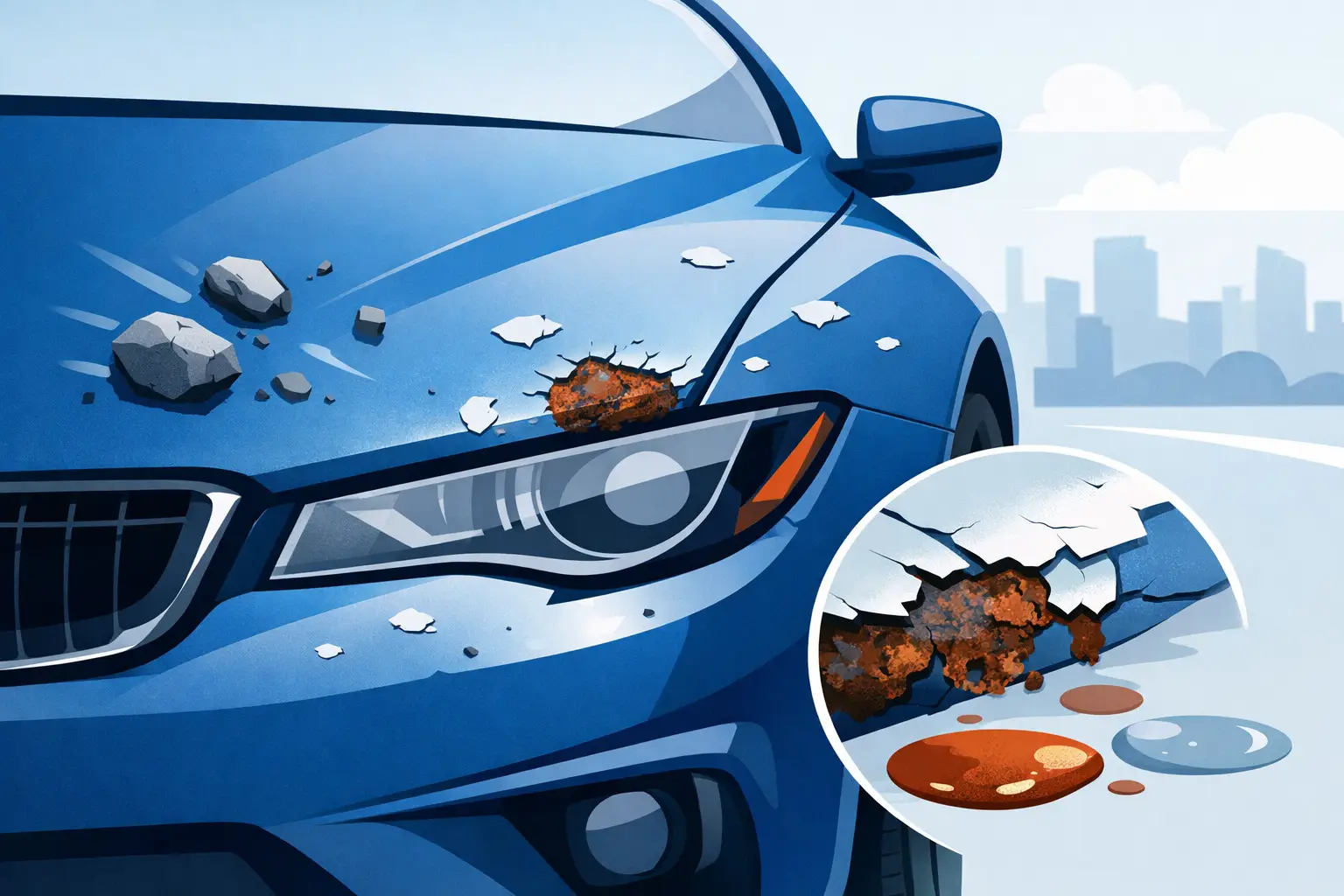
Scratches alone rarely mean the bumper needs replacing. Light scuffs may polish out, while deeper marks may need touch-up work or refinishing. If the scratch has cut through the paint and exposed the plastic, it is worth repairing sooner rather than later. Exposed plastic will not rust like steel, but the damaged finish can worsen, hold grime and make the vehicle look neglected.
A scrape can also hide a crack around the edge of the bumper or wheel arch. This is why a close inspection is better than judging the damage from a few metres away. What looks like a simple paint mark may have pulled a clip loose or split the plastic underneath.
Replacement bumper options: new, used or aftermarket
If replacement is the right path, the part choice affects cost, fit and finish. A genuine part is designed for your specific vehicle and is often the safest choice where sensors, trims and exact alignment are involved. It can cost more, but it generally offers predictable fitment.
A quality aftermarket bumper can be a practical option for some vehicles, particularly where the part is well-made and available locally. The downside is that fitment quality can vary. A cheaper bumper that needs extensive adjustment, or never lines up perfectly, is not always a bargain.
Used bumpers can also reduce costs, but they should be checked carefully for previous repairs, hidden cracks and distorted mounting points. They will usually still need paintwork to match your vehicle. The right option depends on the car, the damage, part availability and whether the repair is being handled through insurance.
Why professional assessment pays off
Bumper work is often treated as cosmetic, but it sits at the intersection of appearance, safety and vehicle value. A good repairer checks the cover, mounts, impact components and technology around it before recommending a repair or replacement. You should receive a clear explanation of what is damaged, what can be saved and what the finished result will involve.
At Fast Panel & Paint, the focus is on repairs that look right and last. That means repairing a bumper when it is the sensible option, and recommending replacement only when the damage calls for it. Clean fitment, colour-matched paint and honest communication make a real difference when you are getting your car back on the road.
If your bumper has taken a hit, do not let a tidy-looking surface give you false confidence. A quick inspection can confirm whether it needs a straightforward repair, a proper replacement or nothing more than a careful polish – and lets you make the call with confidence.