A dented bumper or scraped door can look like a quick fix, but the quality of the repair shows up months later. A useful collision repair service review looks beyond the before-and-after photo and asks whether the vehicle was repaired safely, painted properly and returned when promised. That matters whether you are sorting an insurance claim or paying for a private repair after a car park knock.
The right workshop does more than make damage less noticeable. It restores the shape, protection and finish of your vehicle so it looks right from every angle and holds up to daily driving, weather and washing. Here is what separates a proper job from a cheap patch-up.
What a collision repair service review should cover
The first thing to assess is not the price alone. A lower quote can be good value, but only when it covers the full repair required. Two quotes for the same damaged guard can vary because one includes removing trims, repairing the panel correctly, treating exposed metal and blending paint into adjacent panels, while the other allows for a fast fill-and-paint job.
Ask the workshop to explain the scope in plain language. You should know which panels are being repaired or replaced, whether the bumper needs plastic welding, whether paint blending is included, and whether the price allows for clips, mouldings, decals or sensors that may need replacing. Clear answers early help prevent surprises once work has started.
A good quote should also separate visible damage from potential hidden damage. Behind a bumper cover, for example, there may be broken brackets, crushed absorber material or damage around parking sensors. No reputable repairer can promise there will never be an extra issue, but they should tell you what may need further inspection and contact you before adding costs.
The repair method matters as much as the result
Panels are not all repaired the same way. A shallow, accessible dent may suit paintless dent removal if the paint is intact. A split plastic bumper may be repaired with plastic welding. Rust needs to be removed and treated properly, not simply filled over. Heavier impact damage can require panel pulling, replacement parts or measurement work to make sure mounting points and gaps are correct.
The best method depends on the vehicle, the material, the location of the damage and the condition of the paint. Repairing a panel rather than replacing it can save money and reduce downtime, but only if the metal can be returned to shape without compromising the finish. Replacing a panel may be the smarter option when corrosion, stretching or previous poor repairs are involved.
Look for a workshop willing to explain that trade-off. Straight talk is a far better sign than a promise that every repair will be cheap, instant and invisible.
Check the finish in different light
Fresh paint can look excellent under workshop lights and very different in direct sun. Colour matching is one of the clearest tests of collision repair quality, especially on silver, pearl white, reds and darker metallic colours. The repaired area should sit naturally beside the original paint, without a hard edge, obvious shade change or uneven metallic pattern.
A quality painter considers more than the paint code on the compliance plate. Vehicle paint fades over time, and the same factory code can look different across two cars. That is why a proper colour check and, where necessary, blending into neighbouring panels can make the difference between a repair that disappears and one you notice every time you walk up to the car.
Also inspect panel gaps, reflections and texture. Doors, bonnets, tailgates and bumpers should sit evenly. Reflections in the paint should not show ripples, sanding marks or wavy body lines. A small amount of factory-style orange peel may be normal, depending on the vehicle, but obvious roughness, dust nibs, overspray or polish swirls are not the standard to accept.
Undercoating and corrosion protection deserve attention too. If a repair exposes inner guards, wheel arches, seams or bare metal, those areas need proper protection before the vehicle goes back on the road. A tidy outer finish means little if moisture can reach untreated metal behind it.
Safety systems are part of the repair
Modern vehicles carry a lot more than paint and panels. Bumpers may contain radar units, parking sensors, cameras, impact absorbers and wiring. A minor-looking hit can affect equipment that needs careful refitting, testing or calibration.
When reading a collision repair service review, check whether customers mention clear communication around safety-related work, not just the final appearance. If warning lights appear after an impact, if a sensor has been knocked loose, or if the damage is near a headlight or door wiring, raise it before the repair begins. Auto electrical checks may be needed alongside the panel and paint work.
This is particularly relevant after a front or rear collision. A bumper cover can be repaired beautifully, but damaged brackets or misaligned sensors can still create problems. The right repairer will assess the whole affected area and tell you what the vehicle needs rather than treating it as a cosmetic-only job.
Turnaround time should be realistic, not vague
Most drivers need their car back quickly. That is fair. But a workshop promising a same-day return for work that requires parts, curing time, paint blending and reassembly may be setting an expectation it cannot meet.
A reliable repair timeline accounts for assessment, parts availability, preparation, paint work, drying, polishing, reassembly and final quality checks. Some repairs can be completed quickly, particularly paintless dent removal, touch-ups or minor bumper scuffs. Larger collision repairs may take longer, especially if parts are delayed or hidden damage is found after stripping the vehicle down.
The key is communication. You should receive a realistic estimated completion date, an update if anything changes and a clear explanation of why. Courtesy car support can also make a major difference for families, commuters and anyone who cannot easily be without transport.
Insurance coordination can save time and stress
If the repair is going through insurance, choose a workshop that is comfortable working with assessors and claim requirements. You still have a right to understand what is happening to your vehicle. Ask who will provide photos or estimates, what excess applies, whether any betterment costs are likely and whether the insurer has approved the repair scope.
Insurance-approved work does not remove the need for good workmanship. It simply adds another layer of process. The workshop should be able to keep the claim moving while still giving you direct answers about your car, its expected completion date and any work outside the approved repair.
For private repairs, the same principle applies: get the scope in writing and make sure the quote explains whether it includes GST, paint materials and any likely replacement items. Honest pricing is not always the lowest number on the page. It is the number that matches the work actually required.
Questions worth asking before you book
You do not need to be a panel beater to make a sound decision. Ask a few direct questions and pay attention to how clearly they are answered:
Will you repair the panel, replace it or assess both options?Is paint blending into adjacent panels included if needed for colour matching?How will you handle hidden damage or extra parts once work begins?Are sensors, cameras, lights or wiring being checked after the impact?What is the expected timeframe, and how will you keep me updated?
A workshop that takes pride in its work will not be bothered by these questions. It will see them as part of earning your trust.
Red flags that deserve a second look
Be cautious if a repairer will not provide a written quote, cannot explain the repair process, pressures you to decide immediately or dismisses concerns about paint matching and panel alignment. Reviews that only say “cheap” or “fast” can be useful, but they do not tell you whether the finish lasted or whether the customer was looked after when something changed.
Photos can help, especially when they show close-up work rather than only a shiny car from a distance. Even better are reviews that mention communication, accurate quotes, repair quality after a few months and how issues were handled. Real workmanship is visible, but reliable service is felt throughout the job.
At Fast Panel & Paint, the goal is simple: repair the damage properly, keep you informed and return your vehicle with a finish you can be proud to drive. When comparing repairers, choose the team that is prepared to show you exactly how they will get there.
Your car does not need the most expensive repair on paper. It needs the right repair for the damage, carried out with care, quality materials and no guesswork. That is the standard worth booking for.
Categories:
Related Post
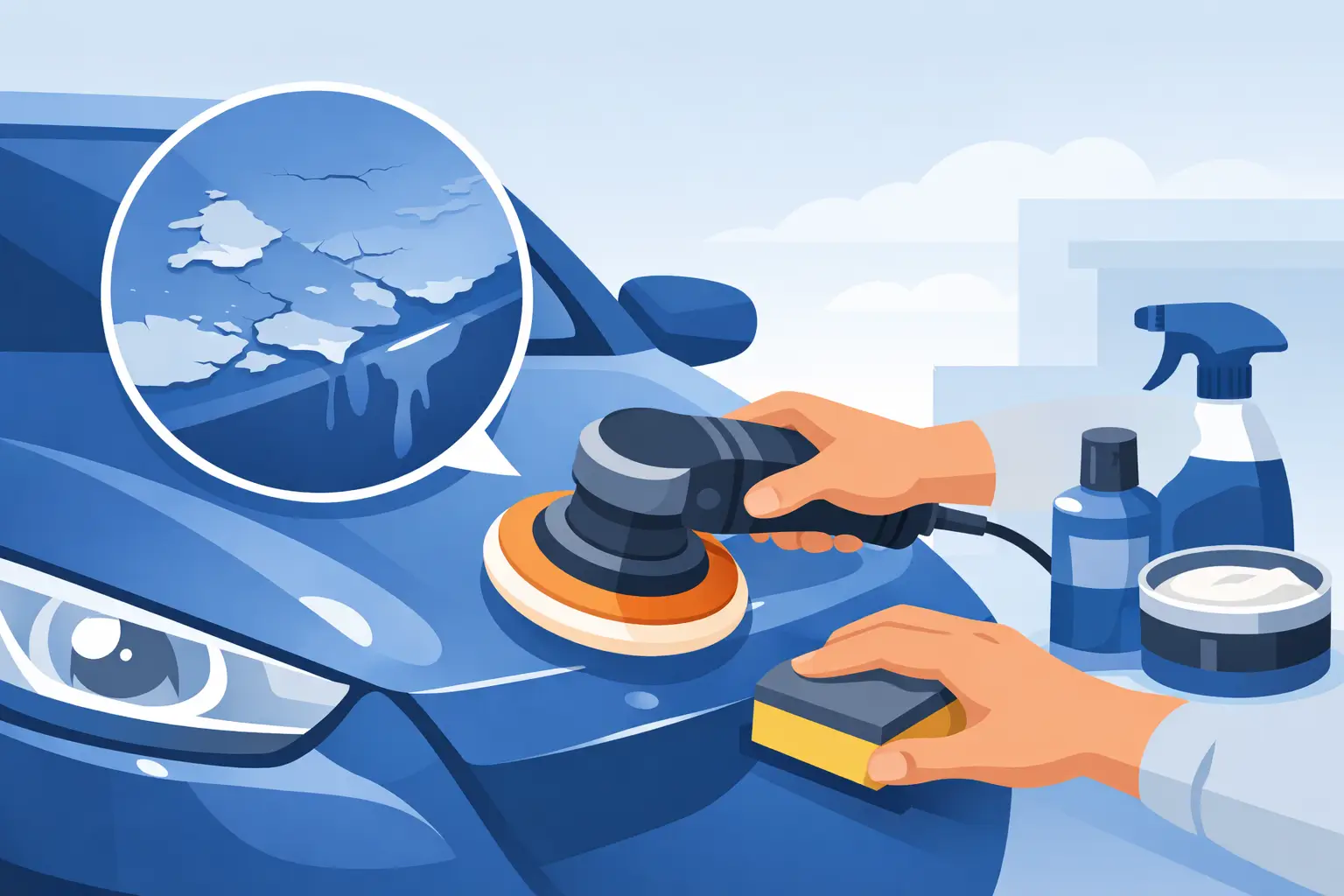
How to Repair Clear Coat Damage Properly
Clear coat damage usually starts small. A dull patch on the bonnet, a peeling edge…

Can Insurers Choose Repairers After a Car Crash?
After a crash, the insurer may quickly direct you towards a preferred repairer. That can…
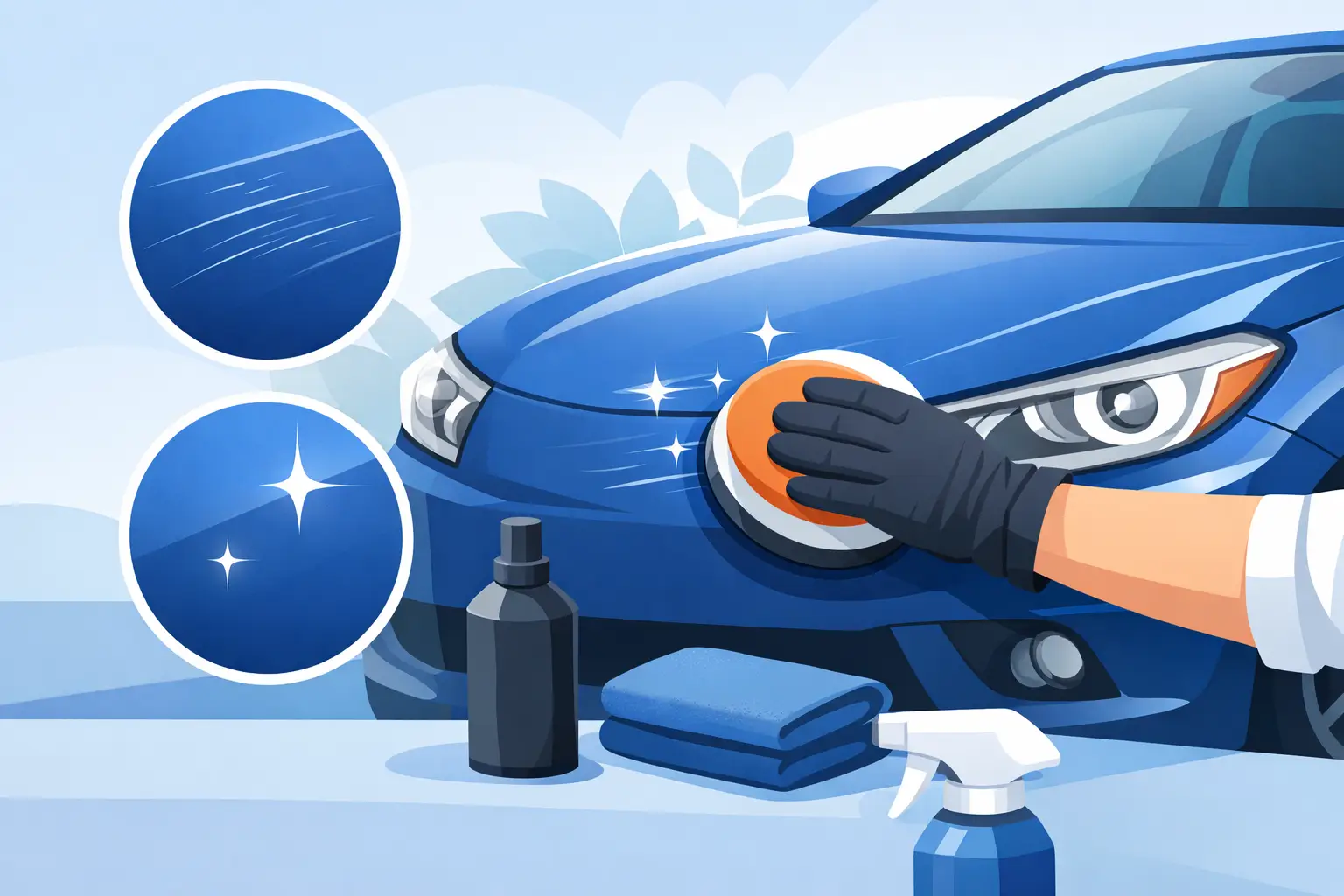
How to Remove Light Car Scratches Safely
A scrape along the door after a tight car park, a mark near the boot…