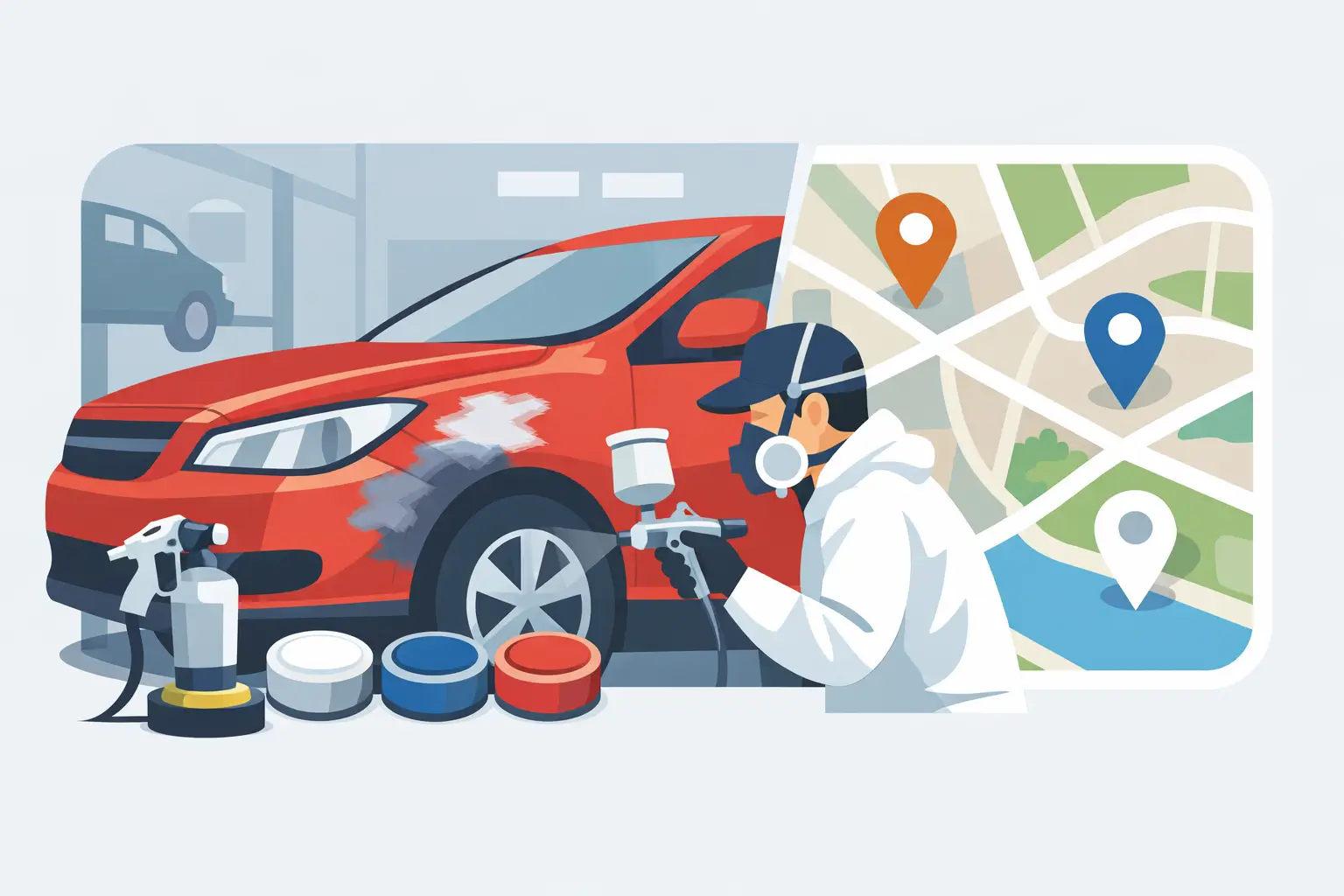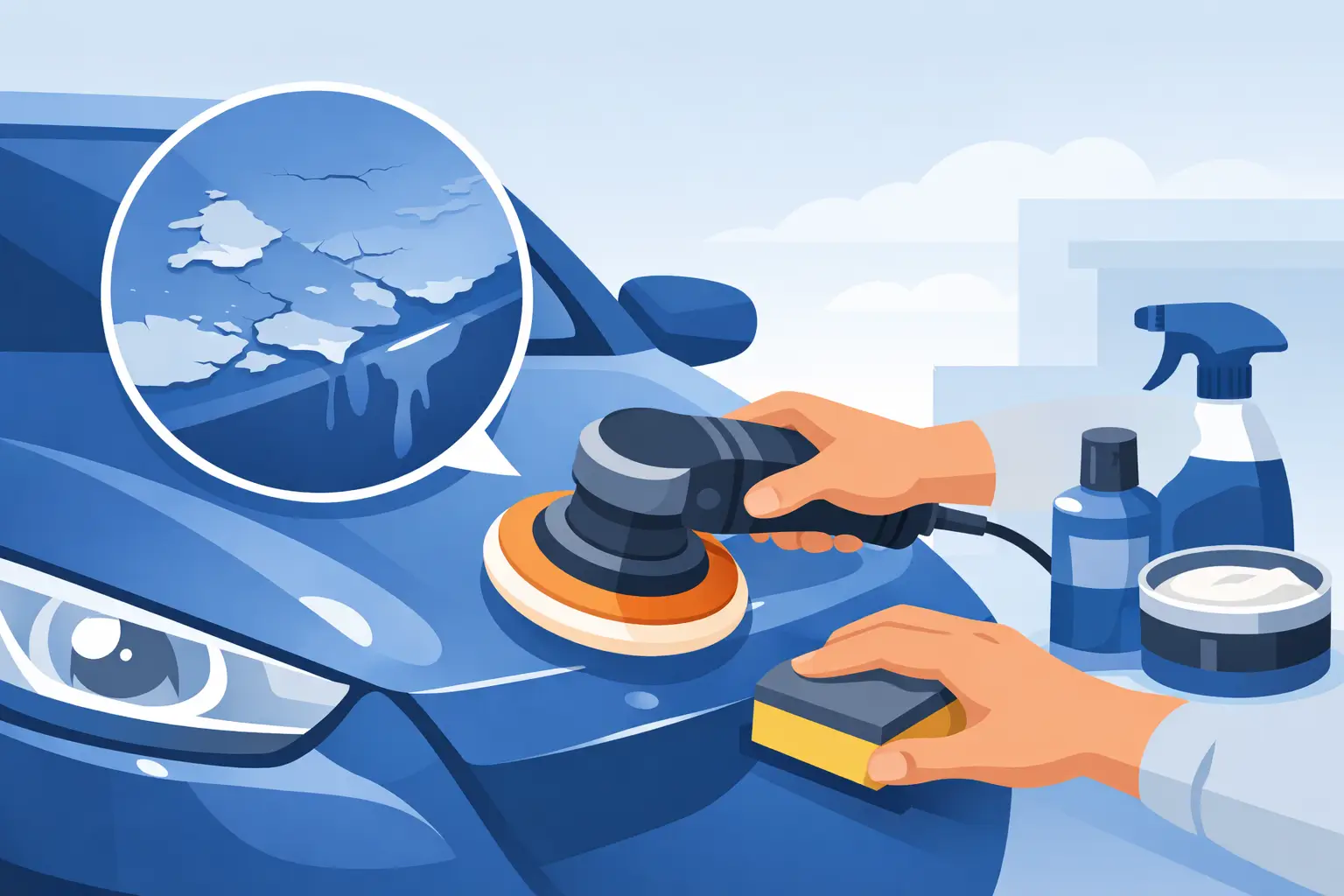
Clear coat damage usually starts small. A dull patch on the bonnet, a peeling edge on the roof, or a milky fade that looks worse every time the car is washed. If you’re wondering how to repair clear coat damage, the right fix depends on one thing above all else – how far the damage has gone.
That matters because clear coat is not just there to make your paint shine. It protects the colour coat underneath from UV, moisture, road grime and everyday wear. Once it starts failing, the finish can go downhill quickly. A minor surface issue might be corrected with polishing. Peeling, flaking or widespread breakdown usually needs proper refinishing if you want a result that lasts.
What clear coat damage actually looks like
A lot of car owners notice the problem before they know what it is. The paint may look chalky, patchy, faded or rough to the touch. In more advanced cases, the clear coat lifts away from the paint underneath and starts peeling in thin sheets or ragged edges.
The most common causes are sun exposure, harsh weather, poor past paintwork, automatic car washes, chemical fallout and age. Roofs, bonnets and boot lids usually cop the worst of it because they sit flat and take the most punishment from the sun.
It is also easy to confuse clear coat failure with oxidised paint, light scratches or water spotting. That is where people often waste time and money. If the damage is only sitting on the surface, a correction process may help. If the clear layer has broken down, no wax, polish or touch-up bottle will truly fix it.
How to tell if you can repair clear coat damage yourself
The honest answer is that some jobs are suitable for DIY, and some are not. If the clear coat still exists across the panel and the issue is limited to light haze, fine scratching or minor dullness, you may be able to improve it with decontamination, a light cut and machine polish.
If the clear coat is peeling, cracking, bubbling or missing altogether, DIY options become far less reliable. Once the surface has failed, polishing can actually make things worse by cutting the remaining material around the damaged area. Spot repairs with aerosol products might make the panel look better from a distance for a short time, but matching texture, gloss and blend is where cheap fixes usually fall over.
A simple test is to look closely at the damaged area in direct light. If it looks cloudy but smooth, there may be enough material left to correct. If the edges are lifting, rough or visibly flaking, you are looking at refinishing rather than a quick repair.
How to repair clear coat damage on minor surface wear
If the damage is genuinely light, the process should be careful rather than aggressive. Start by washing the car properly to remove dirt and grit. Any contamination left on the panel can cause more scratching once you begin polishing.
After washing, dry the area and inspect it closely. If the surface feels rough, a clay bar treatment can help remove bonded contaminants. From there, use a mild cutting compound or a quality polish designed for clear-coated paint. Work in small sections and keep your pressure even.
A dual-action polisher is safer than trying to get results by hand, but it still needs care. The goal is to restore gloss, not grind away what is left of the protective layer. If the finish improves after one or two passes, that is a good sign. If the patch still looks dead, patchy or starts showing edges where clear coat is lifting, stop there.
Finish with paint protection once the panel is corrected. A wax, sealant or ceramic product can help slow future damage, although none of these are a substitute for a failing clear coat.
When sanding and recoating makes sense
People often search for how to repair clear coat damage and find advice telling them to sand the area and spray new clear over the top. Sometimes that can work on a very localised section, but only under the right conditions.
The old damaged clear must be fully removed from the repair zone. The surrounding surface needs to be feathered properly so there is no hard edge. The base coat underneath has to be sound, clean and not sunburnt. Then the new clear needs to be applied evenly, with the right flash times, film build and curing conditions.
That is a lot of moving parts for one panel on a driveway. If sanding breaks through the colour coat, the repair becomes more involved straight away. If the aerosol clear goes on too dry, too wet or too heavy, you can end up with solvent pop, runs, poor gloss or premature peeling. Even when the panel looks acceptable at first, longevity is often the issue.
This is why workshop repairs usually involve more than just spraying over the damaged spot. Proper preparation is what makes the finish hold up.
How professionals repair clear coat failure
When clear coat is peeling or badly deteriorated, the durable fix is usually to refinish the affected panel. That starts with assessing whether the base colour underneath is still stable or whether it has also been damaged by UV and exposure.
In many cases, the panel is sanded back to remove the failed material and create a sound surface. If the base coat is compromised, it may need to be primed, repainted and then cleared again. If the colour is still in good shape, the technician may be able to prepare and reclear the panel, though this depends on the specific condition and paint system.
A proper spray environment also matters. Dust control, temperature, material quality and curing all affect the final result. So does colour matching. On metallic or pearl finishes, even a small repair can stand out badly if it is not blended correctly.
That is where a professional repair earns its keep. You are not just paying for paint. You are paying for prep, equipment, product compatibility and the experience to get a smooth, even finish that does not fail again a few months later.
DIY vs professional repair – what is worth it?
For a car you plan to keep tidy, present well and protect from further deterioration, the cheapest option is not always the least expensive in the long run. A home repair can be worthwhile if the issue is minor and you are realistic about the result. It can also be useful on an older runabout where perfect finish is not the goal.
But if the vehicle is newer, the damage is on a large visible panel, or resale matters, professional refinishing is usually the better call. Poor repairs tend to show up in sunlight, around panel edges and after the first few washes. Once that happens, fixing the failed repair often costs more than doing it properly the first time.
For local drivers around Manukau, this is especially relevant with vehicles parked outdoors year-round. Strong sun and exposure can turn a small problem into a full panel repaint faster than most people expect.
Preventing clear coat damage after repair
Once the finish has been restored, keeping it that way comes down to regular care. Wash the vehicle with pH-neutral products, not dishwashing liquid or harsh household cleaners. Dry it properly instead of letting minerals bake onto the surface. If possible, park under cover or use shade during the hottest part of the day.
Regular protection helps too. Whether you choose wax, sealant or a more advanced coating, the point is to reduce direct stress on the paint. It will not make the car bulletproof, but it gives the surface a fighting chance.
It is also worth dealing with bird droppings, tree sap and chemical fallout quickly. Leave those on long enough and they can mark even a healthy clear coat.
The smartest next step if the damage is spreading
If your clear coat is already peeling, the main thing is not to keep throwing quick-fix products at it and hoping for a miracle. Once failure starts, time usually makes the repair larger, not smaller. Getting the panel assessed early can save you from paying for a more extensive refinish later.
At Fast Panel & Paint, we see this often – a small dull patch turns into a peeling bonnet or roof because the first signs were ignored or polished too aggressively. Good repair work is about restoring the finish properly, matching the panel cleanly and giving you a result that still looks right down the track.
If you’re unsure whether your paint can be corrected or needs refinishing, get it looked at before the damage spreads. A straight answer early on is usually the best way to protect both your car and your budget.