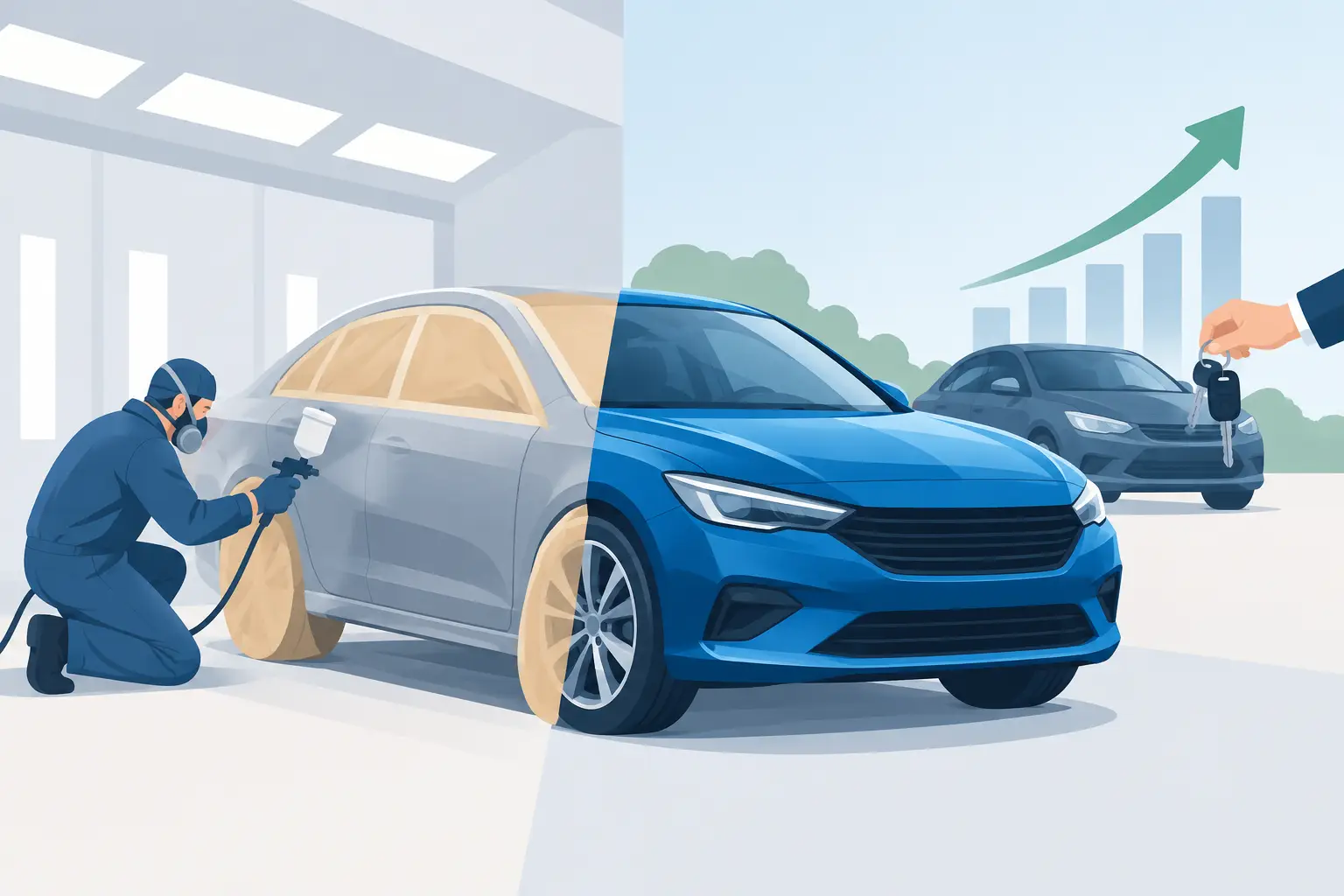
A scrape along the rear bumper, a dented guard or peeling clear coat can look like a simple fix until the quotes start arriving. One workshop gives you a figure that seems too good to refuse. Another is higher, but includes details you can actually understand. Honest car repair quotes are not always the cheapest quote on the page. They are the ones that clearly show what is being repaired, how it will be repaired, and what could change if hidden damage is found.
For most drivers, the goal is straightforward: get the car looking right again, keep it safe and roadworthy, and avoid a bill that grows without warning. A proper quote gives you a solid starting point for that decision.
What honest car repair quotes should include
A useful repair quote is more than a total at the bottom of the page. It should describe the damaged area, the work required and the materials needed to produce a lasting finish. If a quote only says “panel repair and paint” with one price, it may be difficult to compare against another workshop or understand what you are paying for.
For collision and cosmetic repairs, the scope commonly includes panel preparation, dent pulling or reshaping, filler work where required, primer, colour matching, paint application and finishing. Depending on the damage, it may also include removing and refitting trims, lights, badges, door handles, bumpers or sensors. These steps matter because a repair can look acceptable from two metres away while having poor edges, mismatched colour or paint that fails early.
Labour, parts and paint materials should be accounted for in a way that makes sense. That does not mean every quote needs to list every sanding disc or clip separately. It does mean you should be able to see whether replacement parts, repair labour, paint supplies and any additional services are included.
A good quote will also state whether GST is included. It sounds basic, but comparing one figure that includes GST with another that does not can make a low price look far better than it really is.
The repair method matters as much as the price
Two quotes for the same dent can be different for a good reason. One repairer may plan to remove the panel, repair it properly and repaint adjoining areas for a clean colour blend. Another may intend to fill the damage quickly and paint only a small section. Both methods have a cost, but they do not always deliver the same result or durability.
This is especially relevant with metallic, pearl and modern factory colours. Blending colour into adjacent panels may be necessary to avoid an obvious shade difference in sunlight. A quote that allows for proper preparation and blending can cost more upfront, yet save you from paying again because the repair stands out every time you walk up to the car.
The same applies to bumper repairs. A cracked plastic bumper may be repairable through plastic welding and refinishing, while more severe damage may require replacement. An honest workshop explains which approach it recommends and why, rather than presenting the cheaper option as though it is automatically the best one.
Why the cheapest quote can become expensive
A low quote is not proof of poor workmanship. Some workshops have efficient systems, strong supplier relationships and the experience to complete work without wasting time. But a quote that is dramatically lower than the others deserves a few clear questions.
It may leave out colour blending, replacement clips, paint protection, undercoating, rust treatment or the cost of removing parts needed to access damage correctly. It may also be based on a visual inspection that has not revealed what is behind the bumper, under the guard or beneath a damaged panel.
Hidden damage is a real possibility after a knock. Absorbers, brackets, mounting points, sensors and wiring can be affected even when the outer panel appears minor. No reputable repairer can promise there will never be an adjustment after disassembly. The difference is how they handle it.
Ask what happens if further damage is found. Will you be contacted before extra work begins? Will the workshop provide photos or explain the issue in plain language? Is there an approved process for insurance work? Clear answers are a sign of a business that respects both your vehicle and your budget.
Questions to ask before accepting a car repair quote
You do not need to be a panel-beating expert to compare quotes well. Start by asking whether the quoted work restores the damage properly or simply improves its appearance for now. Then ask whether the price includes paint matching and blending, removal and refitting of affected parts, and all GST.
It is also worth asking about the parts being used. Genuine parts may be preferred for fit, finish and sensor compatibility, particularly on newer vehicles. Quality aftermarket parts can be a sensible option for some repairs, especially where cost is a major concern. There is no one right answer, but you should know which option has been allowed for before authorising the job.
For rust repairs, ask how far the corrosion extends and whether the quote includes treating the affected metal, not just covering the visible bubbling. Rust can spread from the inside out, so a quick cosmetic patch may be cheaper today but short-lived. Proper repair may involve cutting out compromised metal, treating surrounding areas, sealing the repair and applying protective coatings before paint.
If your vehicle has parking sensors, cameras, radar or other driver-assistance equipment, ask whether calibration or testing is needed after repairs. Not every bumper repair requires this, but it should never be guessed. A workshop should assess the vehicle and include the required work where applicable.
Comparing honest car repair quotes side by side
Put the quotes next to each other and compare the scope, not just the total. Look for differences in the panels being painted, whether adjacent panels are blended, whether trims and lights are removed, and whether replacement parts are included. If one quote has less detail, ask the repairer to clarify it before deciding.
Be careful with verbal estimates. A quick figure given in a car park can be helpful as a rough guide, but it is not the same as a written quote after inspection. Photos can also be useful for an initial estimate, although an in-person assessment is often needed to confirm damage, paint condition and access requirements.
Turnaround time deserves attention too. Fast repairs are valuable when you rely on your car for work, school runs or family life. However, a promised finish date should allow enough time for proper preparation, paint curing and final quality checks. Rushing a paint job can create problems such as dirt in the finish, poor gloss, visible masking lines or early paint failure.
At Fast Panel & Paint, the aim is to make the repair process clear from the first assessment: explain the work, provide a practical quote and keep customers informed if anything changes once the vehicle is stripped down. That approach helps drivers make decisions with confidence rather than feeling pressured by jargon or vague pricing.
Insurance quotes and private repair quotes are not always identical
If you are claiming through insurance, the process can affect how the quote is prepared and approved. An insurer may require an assessment, photographs, repair authority or additional documentation before work begins. Some repairs may also involve excess payments or policy conditions that sit outside the workshop’s quote.
A private-pay repair quote may offer different choices. For example, you may decide to repair a scuffed bumper rather than replace it, choose an aftermarket part where suitable, or combine several cosmetic jobs while the car is already in the workshop. These choices can reduce cost, but they should be discussed honestly so you understand the expected finish and any trade-offs.
The right option depends on the age and condition of the vehicle, the type of damage, your budget and how long you plan to keep it. A near-new car with factory paint and safety technology may justify a more comprehensive repair. An older daily driver may call for a sensible, tidy repair that protects value without overspending.
Signs you have found a repairer you can trust
Trust is built through specifics. A repairer should be willing to walk around the vehicle with you, point out the visible damage and explain what they cannot confirm until parts are removed. They should not pressure you to approve vague extra work, and they should be upfront when a perfect result is unrealistic due to existing wear, faded paint or previous repairs.
Look for communication as well as craftsmanship. You should know who to contact, when the vehicle is expected to be ready and what happens if parts are delayed. A courtesy car or transport support can be helpful, but clear updates are often just as valuable when your vehicle is off the road.
Your car does not need a flashy sales pitch. It needs a repair plan that makes sense, workmanship that holds up and a price you can understand before the work begins. Take the extra few minutes to read the scope, ask the practical questions and choose the quote that protects the condition of your vehicle, not just your wallet today.