A fresh coat of paint can make a tired vehicle look sharp again, but repainting car value is not as simple as adding a glossy finish and asking more at resale. Done properly, refinishing can protect the body, remove visible damage and help a buyer see a well-cared-for car. Done poorly, it can raise questions about accident damage, rust or shortcuts hidden beneath the surface.
For most Manukau drivers, the real question is practical: will spending money on paintwork help the car sell for more, sell faster, or both? The answer depends on the vehicle’s condition, its age and value, why it needs paint, and most of all, the standard of the repair.
When repainting car value can go up
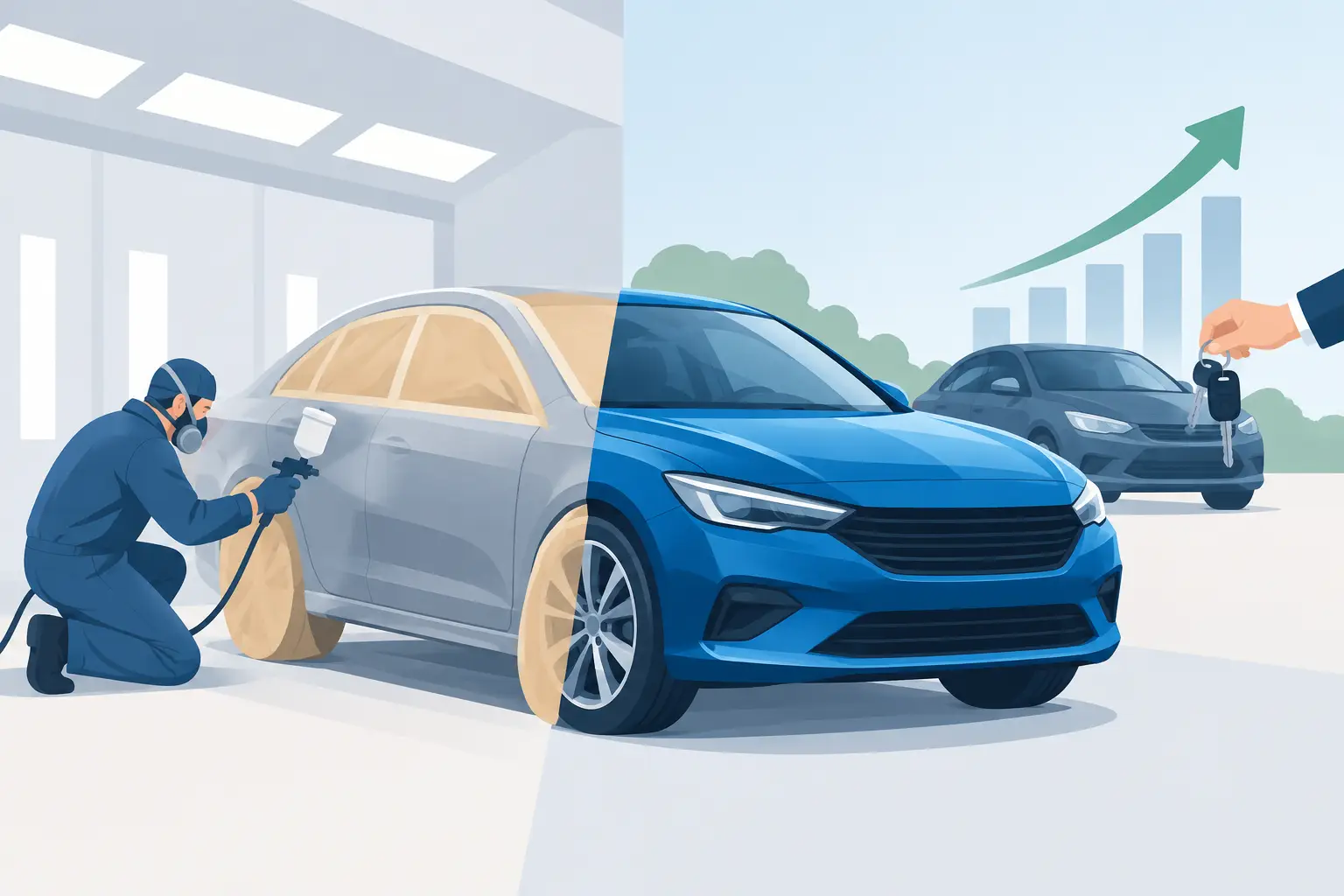
Professional repainting can add real value when it corrects issues that buyers can see immediately. Faded clear coat, peeling paint, deep scratches, mismatched panels and visible rust make a vehicle look neglected, even when the engine, tyres and interior are in good shape. First impressions matter at a private sale, dealership appraisal or trade-in inspection.
A quality repair changes that impression. Colour-matched paintwork, straight panels and a clean, consistent finish make the whole vehicle look better maintained. Buyers may not know the technical details of refinishing, but they notice when one door is a different shade, when orange peel is obvious, or when a repaired bumper looks rough in direct sunlight.
Repainting is particularly worthwhile when the existing finish is reducing the car’s appeal rather than simply showing normal wear. A late-model family SUV with clear-coat failure on the roof, for example, can look far older than it is. Repairing that failure before sale can make it more competitive against similar vehicles and reduce the room buyers have to negotiate the price down.
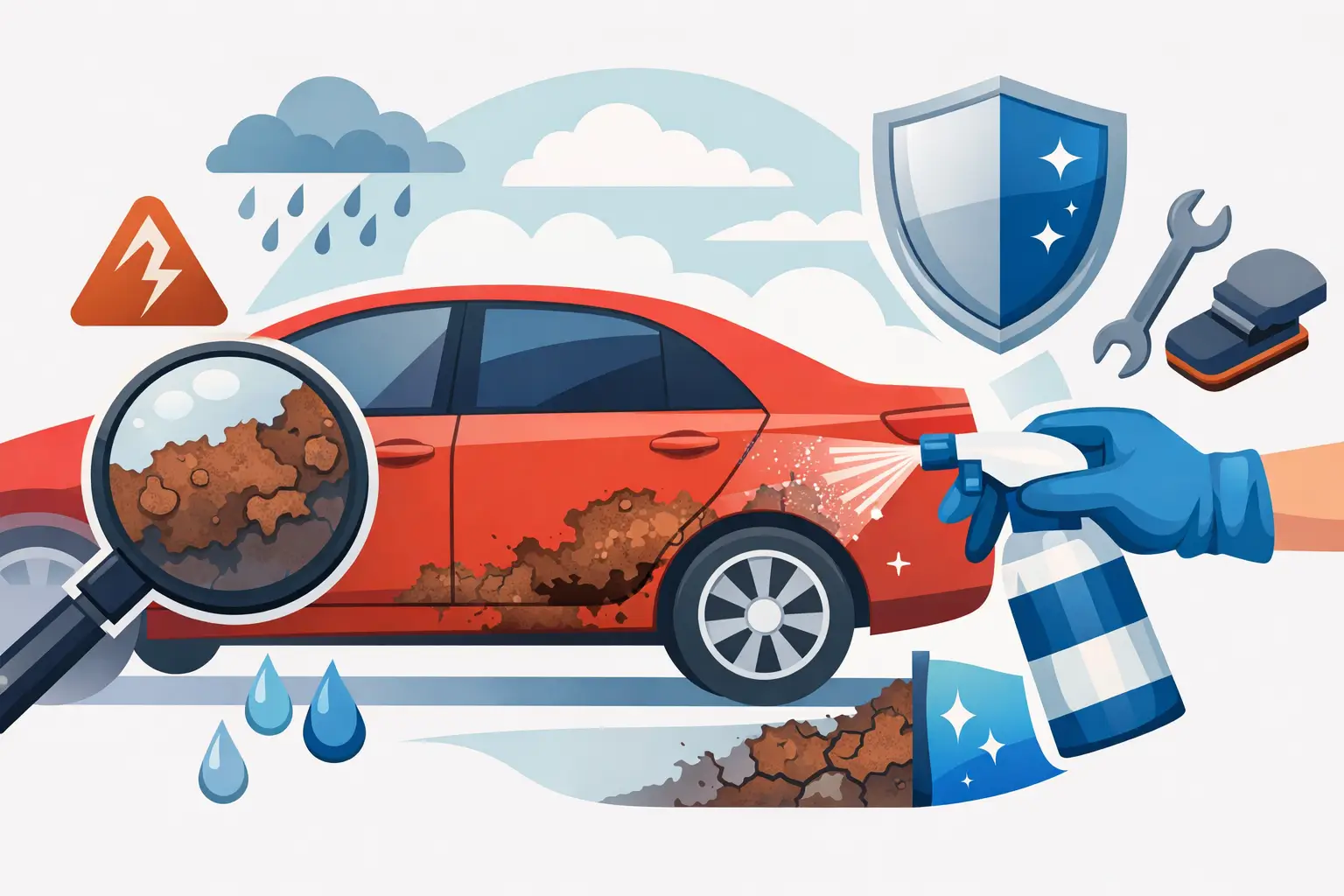
There is also a protection factor. Paint is more than appearance. Once bare metal is exposed through chips, scratches or rust repairs, moisture can get in and corrosion can spread. Addressing the problem early helps preserve the bodywork and prevents a smaller cosmetic job becoming a larger repair later.
The finish must match the vehicle
Not every car needs a full respray. In fact, repainting more of the vehicle than necessary can be poor value, especially on an older daily driver. A targeted repair to a scratched guard, bumper corner or faded bonnet can often deliver the best return because it fixes the damage buyers notice without overspending.
The right approach starts with an honest assessment. Is the damage isolated? Has the clear coat failed across several panels? Is there rust under the paint? Has a previous repair started cracking or lifting? These details determine whether a touch-up, panel repair and blend, buff and polish, or complete respray makes sense.
A full respray can be a smart investment for a classic car, a well-kept enthusiast vehicle or a ute being restored for long-term ownership. For a high-kilometre commuter car nearing the end of its useful life, it is less likely to return every dollar spent. That does not mean paintwork is wasted. It may still help the car present honestly, sell faster and avoid low offers, but expectations should stay realistic.
Why colour matching matters at resale
Modern vehicle colours are rarely plain. Metallics, pearls and tri-coat finishes can change noticeably between shade and sunlight. A proper repair involves matching the existing colour, preparing the panel correctly and blending where needed so the repaired area sits naturally beside the original paint.
Cheap spot repairs often fail here. A panel may look acceptable in the workshop but appear darker, lighter or flatter outside. Buyers who spot mismatched paint may assume the vehicle has been repaired after a serious crash, whether that is true or not.
Good workmanship does not mean pretending a repair never happened. It means restoring the vehicle properly and being able to explain the work clearly if asked. Keeping invoices and repair records gives buyers confidence that the job was done by professionals rather than patched up for sale.
When fresh paint can hurt resale value
Fresh paint can raise suspicion when there is no clear reason for it, particularly on a newer car. Some buyers will wonder whether the vehicle has been in an accident, whether rust has been covered, or whether panel damage is hiding underneath. This is where transparency matters.
If your car has had collision damage, a reputable repairer will straighten or replace damaged components as required, repair the panel correctly and refinish it using suitable materials. The repair should improve the vehicle, not conceal a problem. If you sell afterwards, disclose the repair where appropriate and show the paperwork. Most sensible buyers understand that minor accident damage happens. They are more concerned about poor repairs, structural issues and vague answers.
A low-quality repaint can also reduce value because it creates problems of its own. Overspray on trims, rough edges around door openings, dust in the finish, paint runs and peeling clear coat are all warning signs. So are bubbles appearing beneath new paint. Those bubbles often point to corrosion or poor surface preparation, and buyers know they can be expensive to fix properly.
Changing the vehicle to an unusual colour can be another trade-off. A complete colour change may suit your personal taste, but it can narrow the buyer pool. It can also create extra work because door jambs, engine bays, boot areas and under-bonnet sections may need attention for a consistent result. For resale, returning the vehicle to its original colour is usually the safer choice unless the car is a custom or enthusiast build.
Paintwork versus a polish: spend where it counts
Sometimes a repaint is not the answer. Light swirl marks, dullness, minor scuffs and paint transfer can often be improved with a professional buff and polish. This can lift gloss, improve colour depth and make a cared-for car look its best before photos or inspections.
Polishing will not repair peeling clear coat, deep scratches through the paint, dents, rust or badly damaged bumpers. Trying to polish away a serious defect only delays the proper repair. A good workshop should tell you where detailing ends and refinishing begins, rather than selling a larger job than your car needs.
For vehicles being prepared for sale, the most effective spend is often a combination of small, visible fixes: repairing a bumper scrape, touching up stone chips, removing dents where possible, treating rust correctly and polishing sound paint. These jobs improve presentation without turning a sale preparation into an open-ended restoration.
What buyers and valuers look for
Buyers tend to inspect paintwork from a few steps back first, then up close. They look for a consistent shine, straight body lines and panels that sit evenly. In bright daylight, they may check for colour variation, sanding marks, paint texture and overspray around lights, seals and trim.
They also notice practical signs of care. Clean headlights, intact bumpers, tidy wheel arches and rust-free lower doors suggest the vehicle has not been ignored. On the other hand, paint peeling around a windscreen, bubbling along a sill or scratches down the side of a car can make buyers expect more hidden maintenance.
For trade-ins, presentation still matters, but the return can be different. A dealer may not pay the full cost of a cosmetic repair because they have their own reconditioning process. If you are trading in, ask for an appraisal before committing to major paintwork. If you are selling privately, quality cosmetic repairs usually have more opportunity to improve buyer interest and reduce haggling.
How to make repainting a sensible investment
Start by setting the goal. Are you keeping the vehicle for another five years, preparing it for a private sale, fixing accident damage through insurance, or simply tired of seeing faded paint every morning? The best repair plan changes with the goal.
Then get a clear quote that explains what will be repaired, what preparation is required and what finish you can expect. Ask whether the quote includes rust treatment, panel repair, colour blending and refinishing materials. The cheapest quote is not always the lowest-cost outcome if the finish fails early or needs to be redone.
At Fast Panel & Paint, the focus is on repairing what needs repairing and delivering a finish that holds up. That may mean a precise bumper repair and colour match, or it may mean treating corrosion before it spreads. Either way, the work should leave your vehicle looking cared for, not merely covered over.
Before putting your car on the market, take clear photos in natural light after the repair has fully cured and been cleaned. Keep the repair invoice with the service history. A buyer who can see a tidy vehicle and a straightforward record of professional work has one less reason to walk away or push for a steep discount.
A repaint should earn its place on the job list. Fix the defects that undermine confidence, protect the areas that could deteriorate, and choose workmanship you would be happy to show the next owner. That is how paintwork can support value without spending beyond what the vehicle can realistically return.