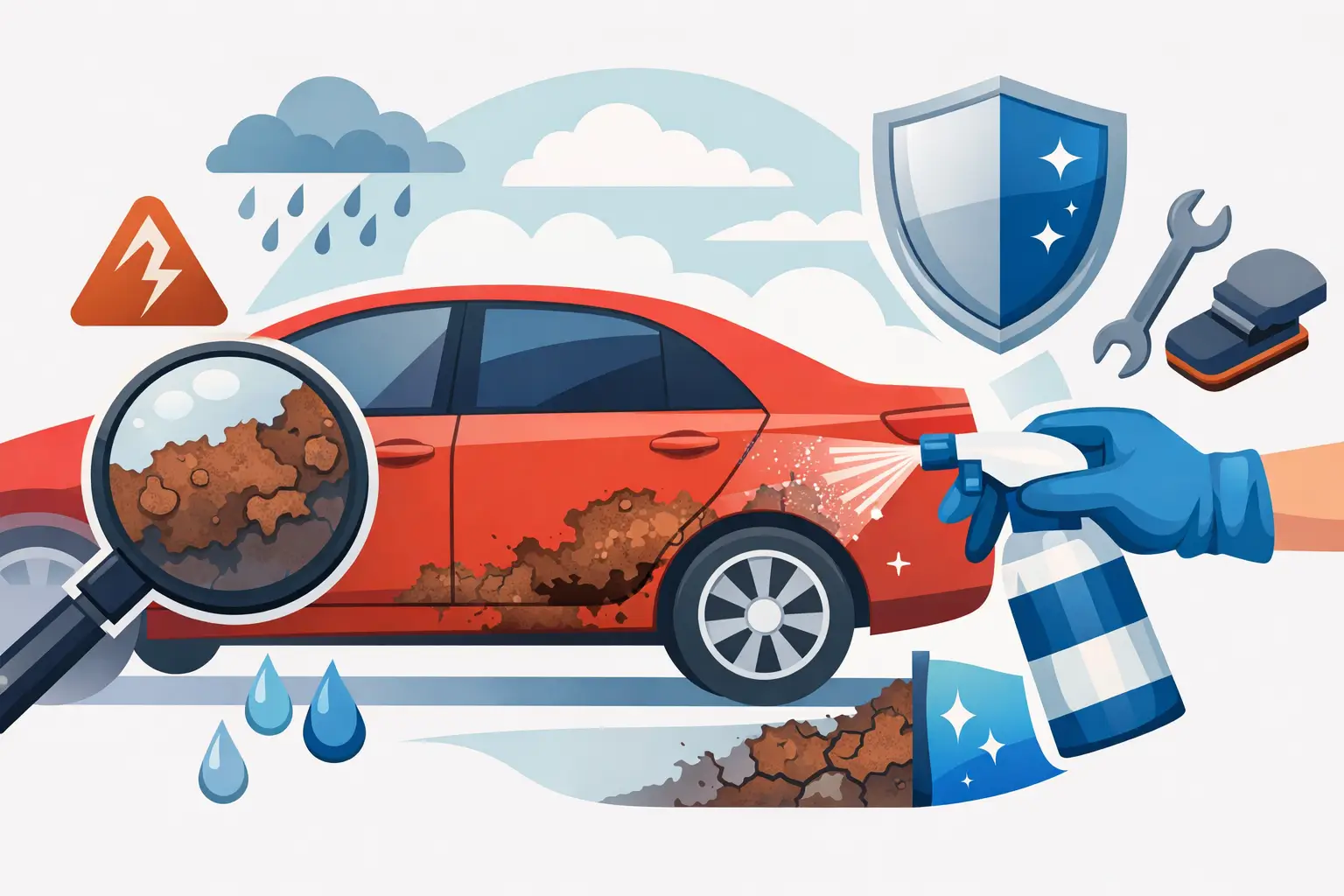
That tiny bubble near the wheel arch is rarely just a cosmetic issue. If you’re wondering how to stop car rust spreading, the short answer is this – act early, keep moisture out, and repair the damaged area properly before it eats deeper into the metal.
Rust has a habit of looking minor right up until it isn’t. A small chip on the door edge, a scratch on the bonnet, or a bit of orange staining under the paint can turn into flaking metal, weak panels, and a much bigger repair bill if it’s left alone. The good news is that early-stage rust can often be slowed or stopped. The trick is knowing what you’re dealing with and not cutting corners.
Why rust spreads so quickly
Rust forms when bare steel is exposed to oxygen and moisture. Add road grime, salt air, trapped dirt, or poor previous repairs, and it moves faster than most drivers expect. Once paint is cracked, chipped, or lifting, water finds its way in. From there, corrosion works under the surface, which is why a spot that looks small on the outside can be larger underneath.
Cars in coastal areas, daily commuters left outside, and older vehicles with worn seals or neglected paintwork are all more vulnerable. Wheel arches, door bottoms, sills, around the windscreen, under the boot seal, and along the bonnet edge are common trouble spots because they catch water and grime.
How to stop car rust spreading before it gets worse
If the rust is still on the surface and the metal hasn’t perforated, you may be able to stop it from spreading with timely treatment. The goal is simple – remove the corrosion, seal the area, and protect it from moisture.
Start by washing the area properly. Dirt can hide the true size of the damage, and any repair done over grime won’t last. Once it’s clean and dry, inspect the paint. If you can see bubbling, staining, or roughness, the rust has likely crept beyond the visible edge.
Next comes removal. Surface rust needs to be sanded back to clean metal. If the corrosion remains in pits or creases, it will keep growing under fresh paint. This is where many DIY jobs fail. A quick rub back and touch-up might make the panel look better for a month or two, but if the rust hasn’t been fully dealt with, it comes back.
After bare metal is exposed and the rust is removed, a rust converter or rust treatment product can help neutralise any trace corrosion that remains in the surface. Then the area needs an automotive primer, matched paint, and a clear coat if required. Each layer matters. Skip the primer, rush the drying time, or use the wrong product, and moisture gets back in.
For hidden areas such as inside doors, behind guards, or under the vehicle, underbody protection and cavity treatments can make a real difference. These don’t fix active rust on their own, but they do help stop clean metal from becoming the next problem area.
When a home fix is enough – and when it isn’t
There is a big difference between a stone chip with light surface rust and a crusty section of bubbling metal around a wheel arch. If the rust is small, localised, and caught early, a careful DIY repair may buy you time. That usually means no holes, no soft metal, and no widespread bubbling under surrounding paint.
If you can press the area and it feels weak, flakes away, or sounds hollow, it’s no longer a basic touch-up job. The same goes for rust near structural sections, seatbelt anchor points, suspension mounts, door frames, or anything that could affect safety or a WOF inspection. At that point, the repair usually needs cutting out, treating the surrounding metal, welding in sound material if necessary, and refinishing the panel properly.
That’s also where professional workmanship matters. Rust repair isn’t just about making the panel look tidy. It’s about removing the cause, restoring the metal properly, and finishing it so the repair lasts.
Common mistakes that make rust come back
The biggest mistake is painting over rust. It might look covered, but it isn’t fixed. Corrosion keeps working underneath and often returns larger than before.
Another common issue is only repairing what you can see. Rust travels under paint, behind trims, and through seams. If the visible patch is treated but the surrounding area isn’t checked, the problem keeps moving.
Cheap fillers and aerosol paint can also create a false sense of progress. They may improve appearance for a short time, but they don’t replace proper metal preparation, sealing, and refinishing. On exposed panels, a poor colour match or weak topcoat can fail quickly under sun and rain.
Moisture traps are another one. Blocked drain holes, worn weather seals, and packed-in mud behind splash guards all help rust spread. A good repair solves the damaged spot, but good prevention also deals with the reason water stayed there in the first place.
Areas you should check regularly
If you want to stop rust before it turns into a larger body repair, routine checks help. Pay attention after storms, beach driving, gravel road trips, or any scrape that breaks the paint.
Look closely at wheel arches, the lower edges of doors, around the fuel flap, the roof gutters on some vehicles, the bottom of the tailgate, and any previous repair area. Stone chips on the bonnet and front guards are worth keeping an eye on too. They often start small and spread because they are constantly exposed to water and road grit.
Under the car matters as much as what you can see at eye level. The underside, inner guards, and seams can hold grime for months. If your vehicle is regularly exposed to wet roads or coastal air, washing underneath is a smart habit, not overkill.
Prevention matters just as much as repair
Once rust starts, prevention becomes part of the fix. Keeping the car clean, especially around lower panels and wheel arches, helps remove the moisture and contaminants that feed corrosion. Fast touch-ups on stone chips and scratches also make a difference because exposed metal never stays clean for long.
Protective coatings are worth considering if your vehicle sees tough conditions. Undercoating can help shield vulnerable underside areas, while proper paint correction and sealing can keep exterior finishes in better shape. It depends on the car, its age, and how you use it. A family SUV parked outside full-time has different needs from a weekend car kept in a garage.
Good repairs also pay off over time. A properly refinished panel with the right prep and materials is far less likely to trap moisture than a rushed patch job. That’s why rust work should always be approached with a long-term view, not just the cheapest short-term fix.
Signs it’s time to book a professional rust repair
If the rust keeps returning in the same spot, has spread beyond a coin-sized area, or has caused bubbling across a seam or panel edge, it’s time for a closer look. The same applies if the paint is blistering, the metal feels thin, or there are visible holes.
Professional assessment is also the smart move when the damage is near structural areas or when matching the finish matters. A proper shop can strip the affected section back, identify how far the corrosion has travelled, carry out metal repair if needed, and repaint the area for a durable result. That saves a lot of frustration compared with treating the symptom while the real issue keeps growing underneath.
At Fast Panel & Paint, we see this often – customers come in thinking they need a quick paint touch-up, but once the panel is opened up, there’s more going on below the surface. Honest advice matters here. Sometimes the fix is straightforward. Sometimes it needs more than a surface repair to do the job once and do it right.
Rust rarely fixes itself, and it never gets cheaper by waiting. If you’ve spotted a stain, bubble, or rough patch, treat it as an early warning and act while the repair is still manageable.