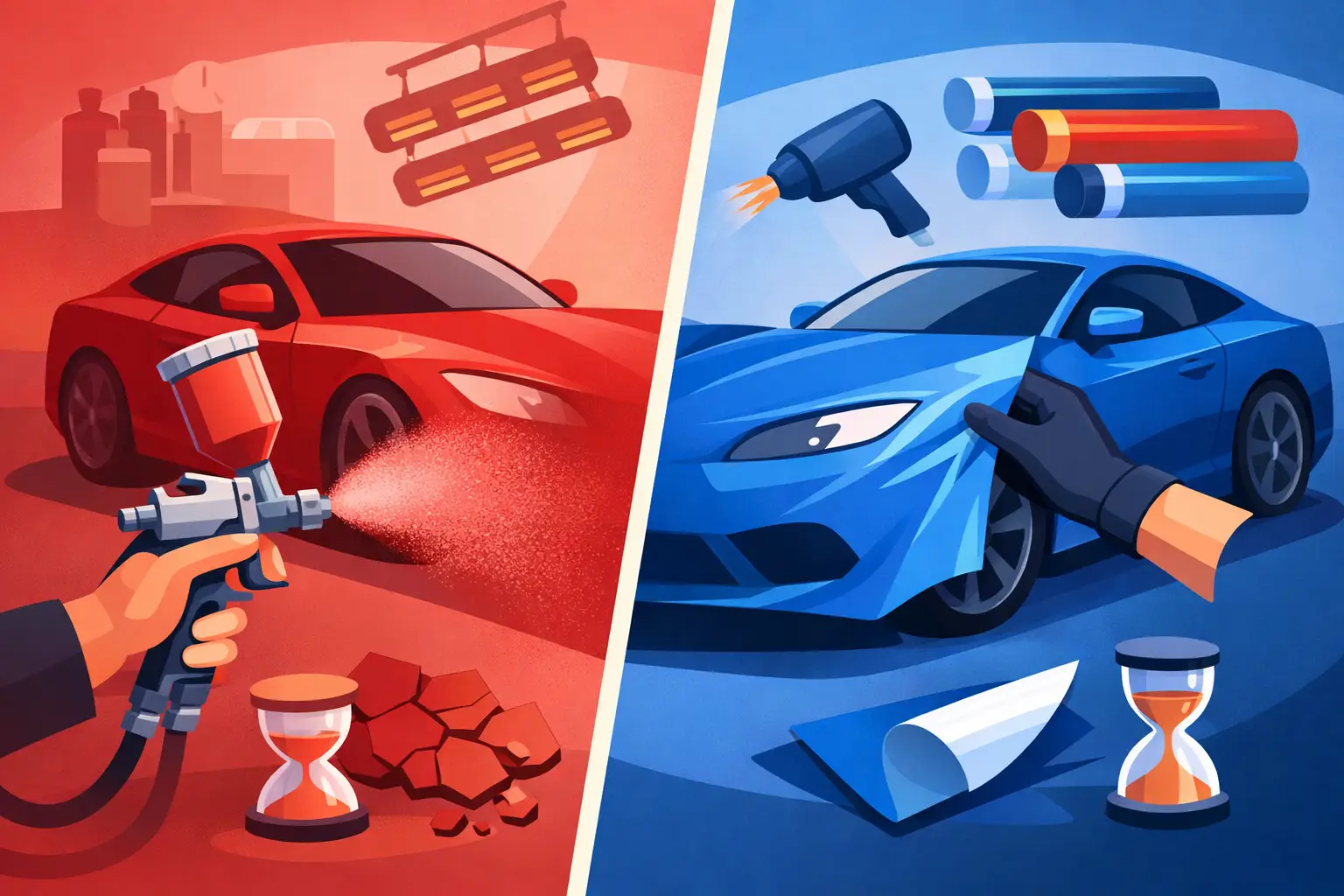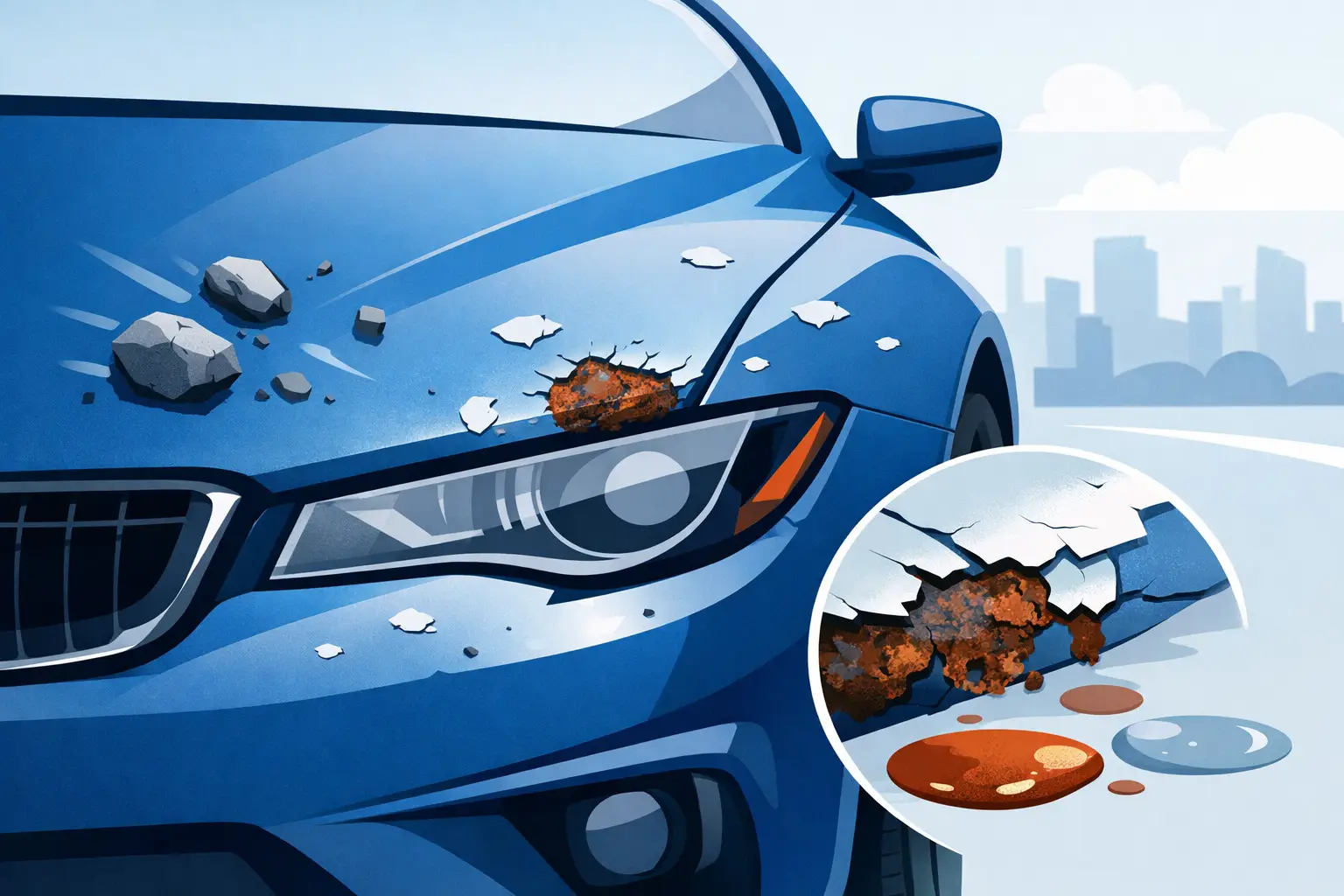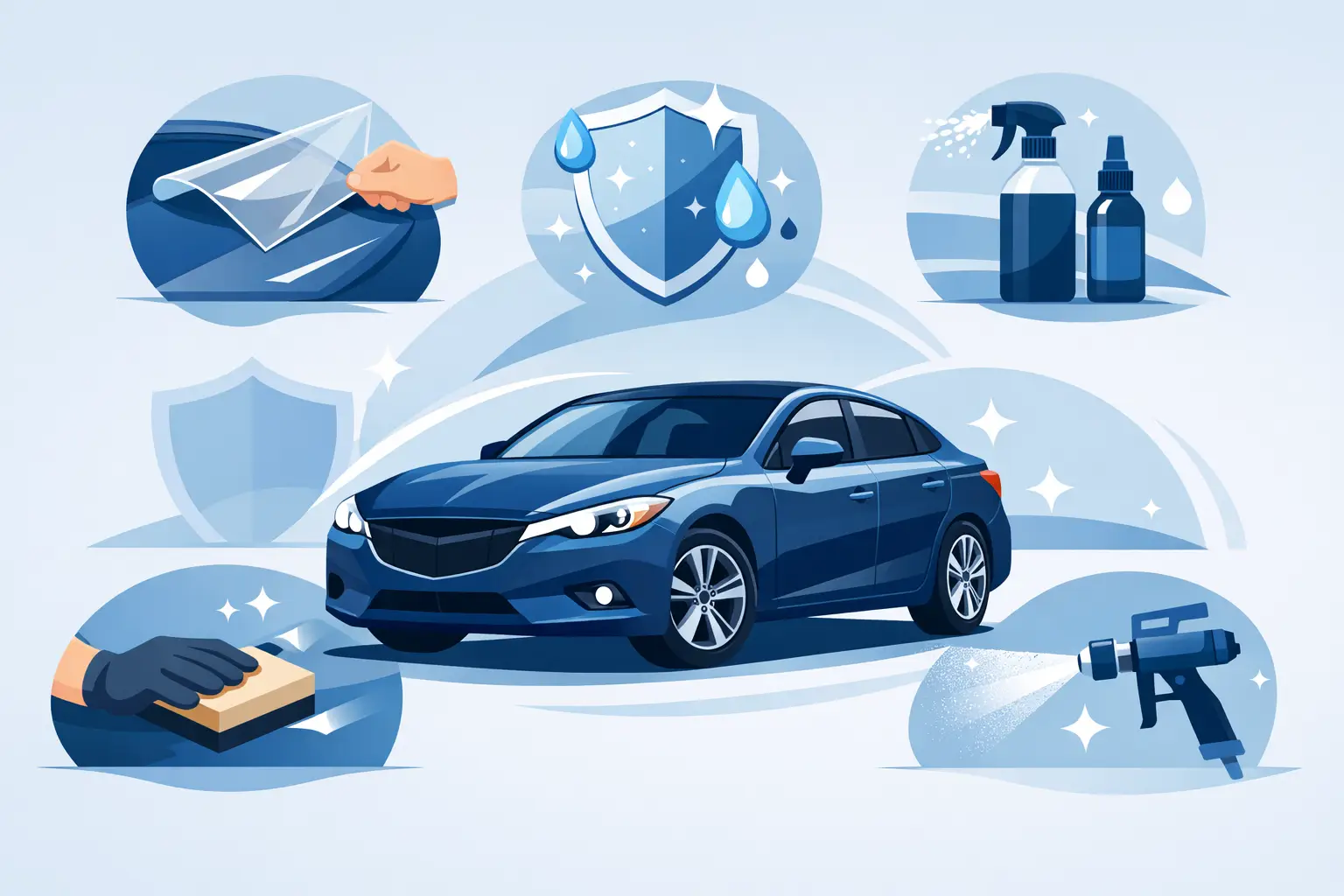
A car’s paintwork cops a lot more punishment than most drivers realise. Sun, bird droppings, road grime, sap, salt air, shopping trolley scuffs and bad washing habits all chip away at the finish. If you are weighing up the best car paint protection methods, the right answer depends on how you use your vehicle, where you park it and how much maintenance you are willing to keep up with.
That matters because paint protection is not just about shine. Good protection helps preserve clear coat, slows down fading, makes the car easier to wash and can reduce the chance of staining or minor surface damage turning into a bigger refinishing job later. The trick is choosing a method that suits your car in the real world, not just on a sales brochure.
What the best car paint protection methods actually do
Paint protection sits on top of your vehicle’s finish and acts as a sacrificial barrier. It will not make your paint indestructible, and it will not stop every stone chip or careless door tap. What it can do is reduce exposure to the stuff that wears paint down over time.
On a daily driver, that usually means UV exposure, water spotting, bug splatter and wash marring. On a work ute or family SUV, it may also mean harsher conditions like motorway debris, tree sap and frequent washing. The better the protection layer, the easier it is to clean contamination off before it etches into the surface.
Wax: affordable and simple, but short-lived
Wax is often the starting point because it is easy to understand and relatively cheap. A decent wax gives paint a warmer gloss and a smooth feel, and it can add a useful layer of short-term protection against moisture and grime.
For owners who enjoy washing their car and do not mind reapplying protection regularly, wax still has a place. It suits older vehicles, weekend cars and anyone wanting a tidy finish without spending big. The downside is durability. In strong sun, wet weather and everyday driving, wax can wear off quickly. If the car lives outside, expect to stay on top of it.
Wax also offers less chemical resistance than newer options. Bird droppings and bug marks still need to be removed promptly. Leave them sitting there and the paint can still stain.
Paint sealants: a practical step up for daily use
If you want something more durable than wax without moving into premium pricing, paint sealants are one of the most sensible choices. These synthetic products are designed to last longer and hold up better in daily conditions.
A good sealant usually gives a crisp, glossy finish and stronger water beading than traditional wax. More importantly, it tends to last longer through regular washing and weather exposure. For many everyday drivers, this hits the sweet spot between cost, appearance and maintenance.
The trade-off is that sealants do not usually have the same depth or richness some people like from wax, especially on darker colours. But for a commuter car, family vehicle or workhorse that needs practical protection, that is rarely a deal-breaker.
Ceramic coatings: strong protection with less day-to-day hassle
Ceramic coatings have become one of the most talked-about options, and for good reason. When professionally applied, they create a harder, more durable protective layer than wax or basic sealants. They help repel water, make the surface easier to wash and offer better resistance to UV, chemicals and staining.
For many owners, the biggest win is maintenance. Dirt and grime do not cling as easily, so washing takes less effort. That does not mean the car stays clean forever, and it definitely does not mean you can stop washing it. It just means routine care becomes easier and safer.
This is often where expectations need to be kept realistic. Ceramic coating is not scratch-proof. It will not stop stone chips. It will not hide poor prep work underneath. If the paint already has swirls, oxidation or sanding marks, coating over them only locks those issues in. Proper preparation matters just as much as the coating itself.
For newer cars, freshly painted panels and owners planning to keep their vehicle for years, ceramic coating can be excellent value. For older cars with tired paint, it may still be worthwhile, but only after the finish is corrected properly.
Paint protection film: the best defence against physical damage
If your main concern is stone chips and physical abrasion, paint protection film sits in a different category altogether. Often called PPF, this is a clear film applied over painted panels to absorb impacts and take the abuse before your paint does.
For front bumpers, bonnets, guards, mirror caps and other high-hit areas, it is hard to beat. It is especially useful on newer vehicles, darker colours, highway-driven cars and anything with a front end you want to keep looking fresh. Some films also have self-healing properties for very light surface marks.
The main drawback is cost. PPF is generally the most expensive option, particularly if you cover the whole vehicle. Installation quality also matters a lot. Poorly fitted film can lift at edges, show lines or trap contamination. When done properly, though, it offers the strongest real-world protection against the sort of damage coatings and waxes simply cannot stop.
Best car paint protection methods for different owners
There is no single answer for every car. The best car paint protection methods depend on budget, vehicle age and expectations.
If you drive an older runabout and just want it looking respectable, wax or a paint sealant may be enough. You will improve gloss, add some protection and keep costs sensible.
If you have bought a newer car, had fresh paintwork done or simply want less fuss during washing, ceramic coating is usually the stronger long-term option. It keeps the finish easier to maintain and helps preserve that freshly detailed look.
If you do a lot of motorway driving, own a performance car, or are serious about preventing chips on vulnerable panels, paint protection film is the better investment. In many cases, the smartest setup is a combination – PPF on high-impact areas and ceramic coating over the remaining painted surfaces.
Why prep work matters more than the product label
This is the part many people miss. The product matters, but the condition of the paint underneath matters more. If contamination, swirl marks, overspray or dull clear coat are left in place, no protection product will magically fix that.
A proper wash, decontamination and machine polish can dramatically improve the result before protection is applied. On repaired or repainted panels, cure times and product compatibility also need to be handled properly. That is why professional advice makes a difference. The finish needs to be assessed honestly, not sold the most expensive option by default.
At Fast Panel & Paint, that practical approach matters because protection only works well when the surface is right to begin with. A flawless finish is built in stages, not rushed through.
Common mistakes that shorten paint life
Even the best protection can be undermined by poor habits. Automatic car washes with harsh brushes, dirty wash mitts, cheap acidic cleaners and leaving bird droppings on the paint for days all speed up wear.
Parking under trees every day will also test any coating, wax or film. So will full sun with no regular washing. Paint protection helps, but it does not replace basic care. A simple maintenance wash routine and quick response to contamination can make a big difference over the life of the vehicle.
Is professional protection worth it?
For plenty of owners, yes. Not because every car needs the most expensive treatment available, but because professional prep and application usually deliver a better, longer-lasting result. You are paying for surface correction, product knowledge and workmanship, not just a bottle of product.
That said, not every vehicle needs a premium package. If your car is ten years old, parked on the street and mainly used for short local trips, a well-maintained sealant may be the most sensible choice. Honest advice should save you money where it makes sense, not push you into over-servicing.
The best protection is the one that suits the car, suits your budget and suits how you actually live with it. If you choose with that in mind, your paintwork has a much better chance of staying glossier, cleaner and in better nick for longer. Look after the finish now, and future you will thank you every time the car still turns heads in the car park.