A car can look tidy on the outside and still be quietly rusting underneath. We see it often – a bit of surface corrosion around the wheel arches, some bubbling near a door edge, or underbody rust that started small and spread because it was out of sight. If you are comparing the best rustproofing treatments for cars, the right choice depends on where the rust risk is, how long you plan to keep the vehicle, and whether you want prevention, repair, or both.
Rustproofing is not one single product. It is a group of treatments designed to slow moisture, salt, road grime, and stone-chip damage from getting to bare metal. Some products are better for brand-new cars. Others are more useful for older vehicles, work utes, or family cars that already have a few vulnerable spots. The key is choosing a treatment that suits the vehicle and applying it properly.
What makes a rustproofing treatment worth paying for?
A good rustproofing treatment does two jobs well. First, it creates a barrier between metal and moisture. Second, it reaches the areas where rust actually starts, not just the parts you can easily see.
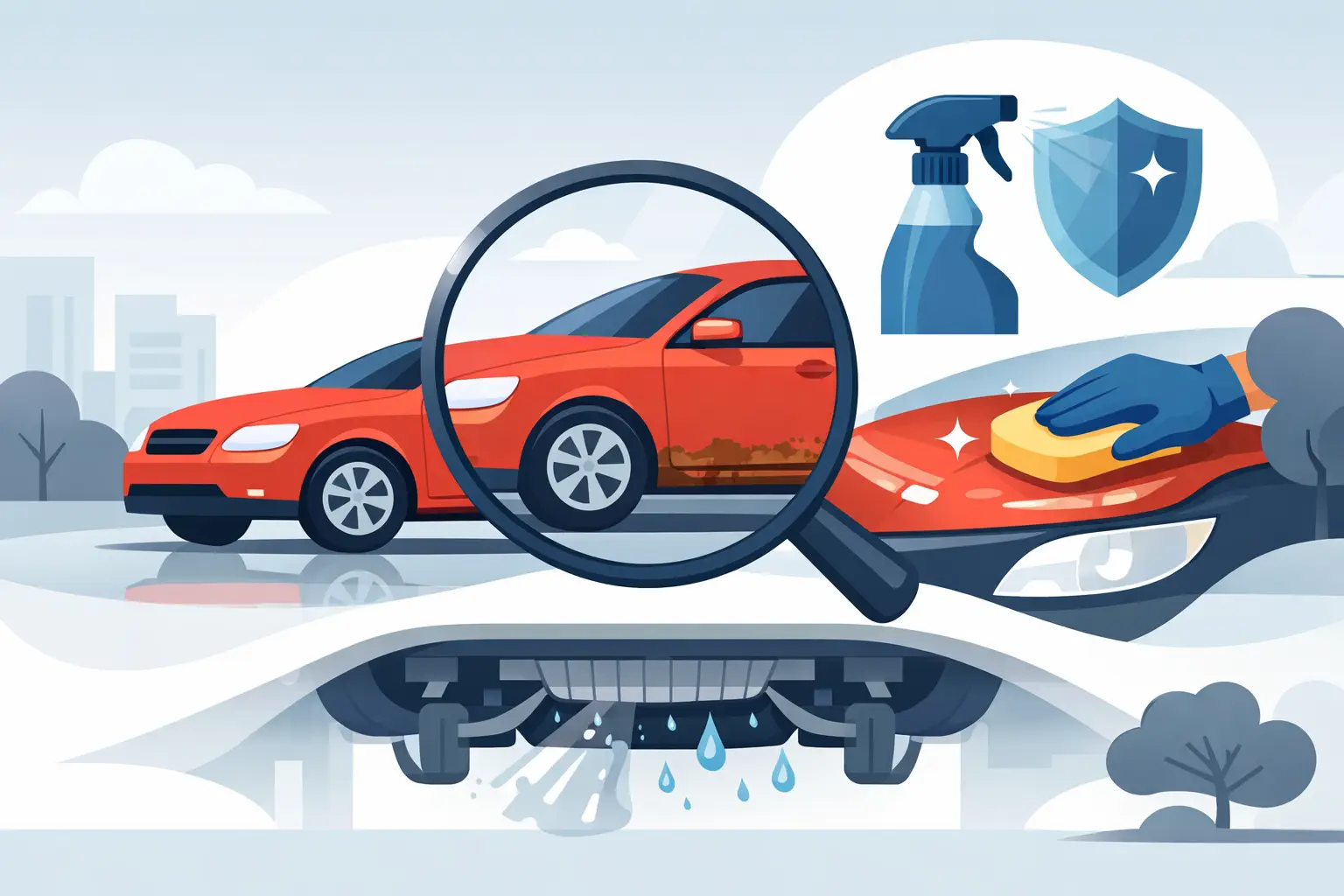
That matters because rust rarely begins in the middle of a nice flat panel. It starts in seams, welds, inside doors, under wheel arches, along the underbody, and around chips or scratches where paint protection has been broken. If a treatment only leaves a shiny coating on exposed metal but misses cavities and joins, it can look good on day one and still let corrosion spread in the places that count.
The best treatments also match the age and condition of the car. A near-new SUV with clean factory paint needs a different approach from an older hatchback with existing underbody rust. There is no magic product that does everything.
Best rustproofing treatments for cars by type
Wax-based rustproofing
Wax-based products are one of the most reliable options for cavity protection. They are designed to creep into seams, spot welds, folds, and enclosed sections such as doors, sills, chassis rails, and pillars. Once applied, the wax sets into a protective film that helps block water and air.
For many everyday drivers, this is one of the best preventative choices because it gets into the hidden spaces where rust likes to start. It is especially useful for older vehicles that are still structurally sound but need extra protection before corrosion takes hold.
The trade-off is maintenance. Wax coatings do not last forever, particularly in harsh conditions or on vehicles regularly exposed to water, mud, or coastal air. They usually need inspection and reapplication over time.
Oil-based rustproofing
Oil-based treatments stay softer and continue to move after application. That creeping action helps them work into small gaps and displace moisture, which is why they are often recommended for cavity areas and awkward joins.
They can be very effective for ongoing rust prevention, especially on vehicles that already have minor corrosion starting in hidden sections. Because the coating remains more fluid than wax, it can keep protecting areas that expand, contract, or flex.
The downside is that oil-based products can be messier, may need more frequent top-ups, and are not always the best standalone answer for exposed underbody areas that cop constant abrasion from road debris.
Bitumen or rubberised underbody coatings
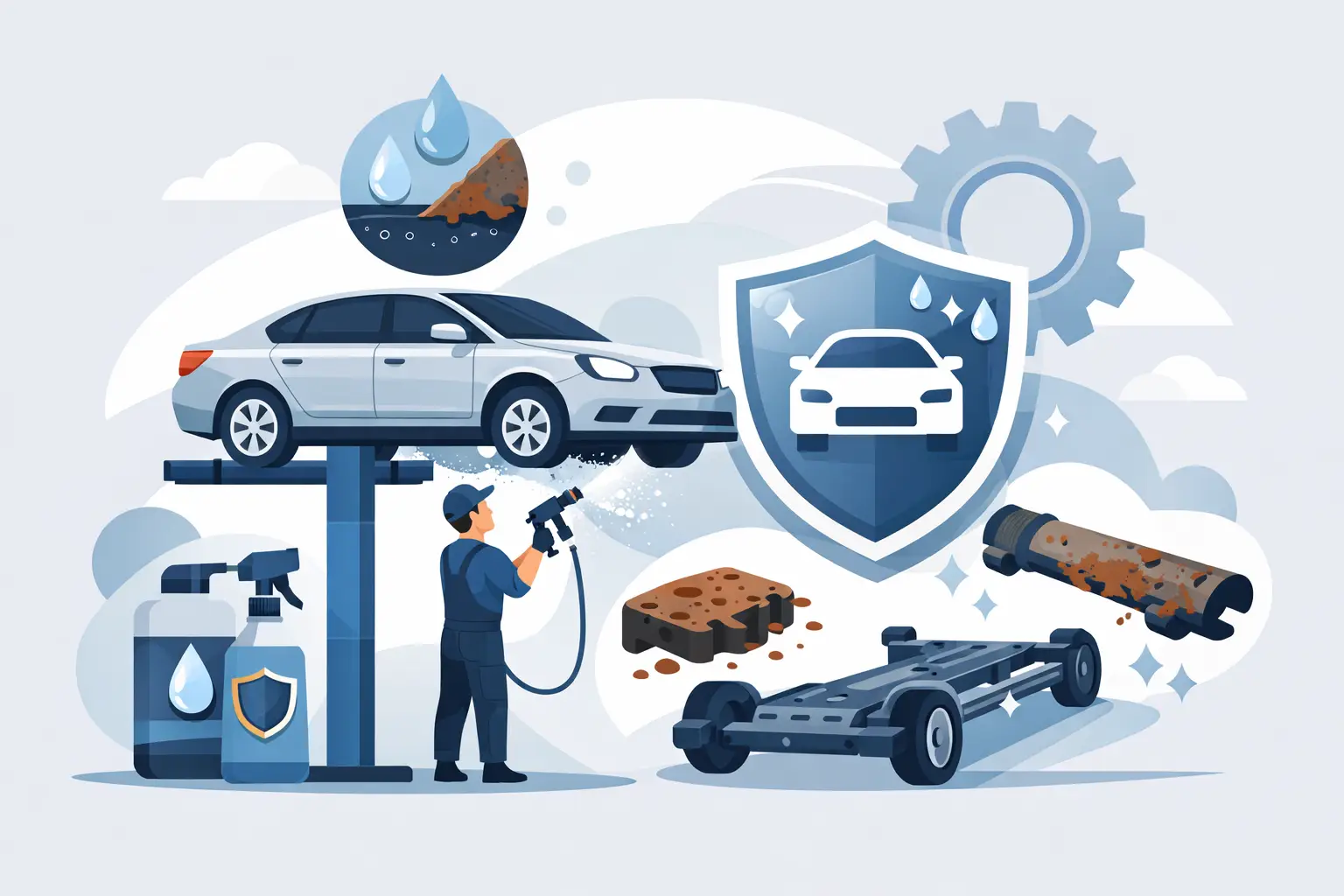
These thicker coatings are commonly used underneath the car to protect the floor pan, wheel wells, and lower sections from water, grit, and stone chips. On the right vehicle, a quality underbody coating can make a real difference, especially for drivers on rough roads or anyone keeping a ute or family car for the long haul.
This option works best when the metal underneath is properly cleaned, dried, and prepared first. If it is sprayed over existing flaky rust or trapped moisture, it can actually hide the problem rather than stop it. That is where cheap jobs go wrong. A heavy coating looks substantial, but if the prep is poor, rust can continue underneath.
When done properly, undercoating is a strong choice for impact protection and moisture defence. It is not usually enough on its own though. The best results often come from pairing it with cavity wax inside enclosed sections.
Electronic rust protection
Electronic rust protection systems are marketed as a fit-and-forget solution that uses a small electrical current to reduce corrosion. Some drivers like the idea because there is no messy coating and no visible product on the car.
In practice, results can vary. These systems tend to be more debated than traditional coatings, particularly on passenger vehicles. They may have a role in some situations, but for most everyday car owners, physical barrier protection such as wax, oil, and underbody coatings remains the more proven path.
If someone is selling electronic rust protection as the only treatment your car needs, it is worth asking hard questions. It may be part of a package, but it should not replace proper inspection, preparation, and protective coating where needed.
Paint sealants and ceramic coatings
These products help protect painted surfaces from contamination, UV exposure, and minor wear. They can be useful for preserving the finish on external panels, but they are not a true rustproofing treatment in the structural sense.
They do not replace cavity protection or underbody coating, and they will not stop corrosion inside doors or underneath the vehicle. They are better thought of as paint protection, not rust prevention for the whole car.
The best rustproofing treatment depends on the car
A newer vehicle with clean metal and no signs of corrosion usually benefits most from preventative treatment. That often means cavity wax in enclosed sections and an underbody coating in vulnerable lower areas. Starting early gives you the best chance of stopping rust before it becomes expensive.
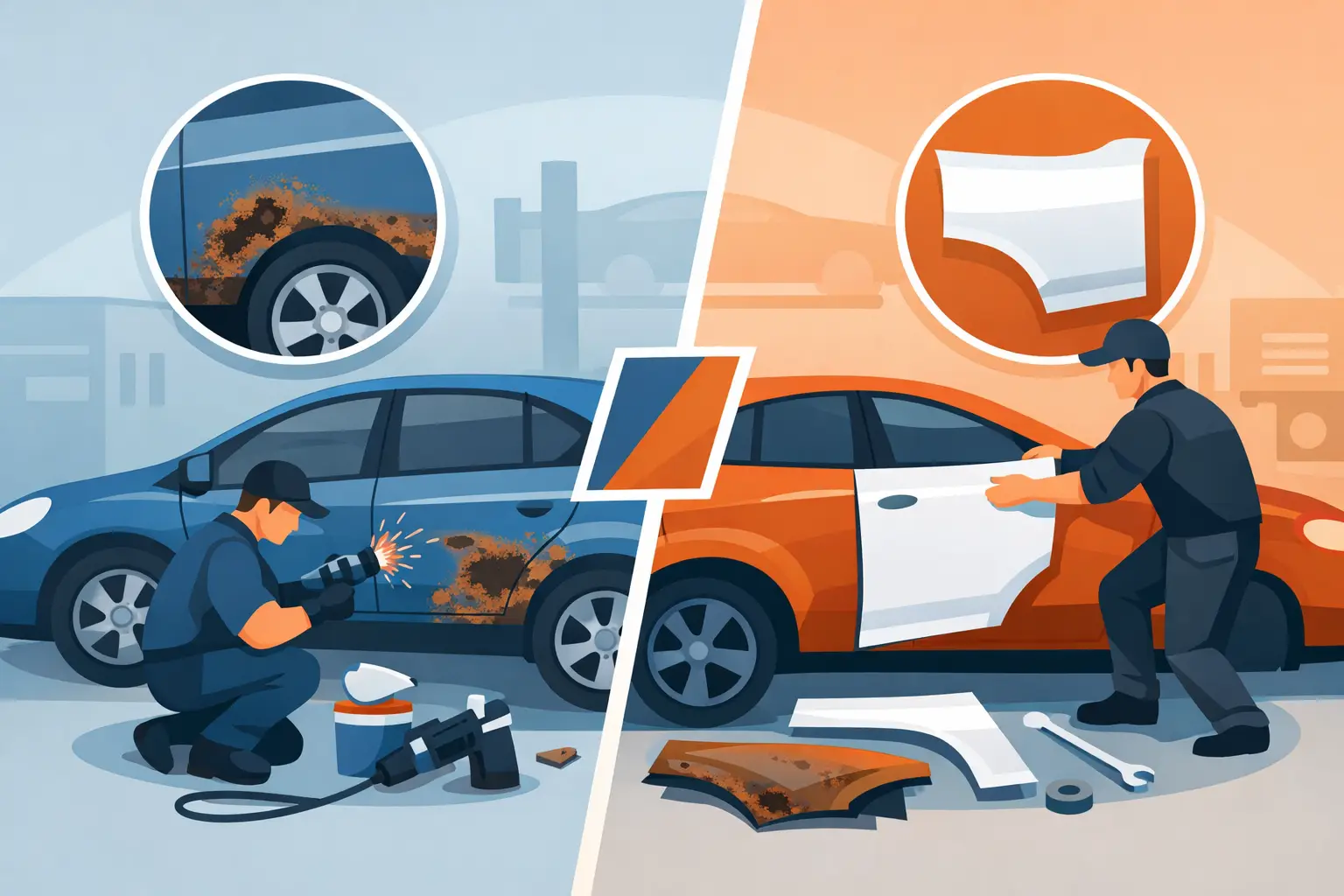
An older car is a different story. If there is already visible rust, the first step is not to cover it up. It needs inspection, cleaning, treatment, and sometimes repair. Surface rust may be manageable with proper preparation and a protective system applied afterwards. If the corrosion has gone deeper into structural areas, the right fix could involve rust repairs before any rustproofing goes on.
For work vehicles, 4WDs, and utes that see mud, gravel, or wet conditions, durability matters more than marketing claims. These vehicles often need a combination approach – cavity protection inside, a strong underbody coating outside, and regular checks because rough use wears coatings down faster.
For city commuters and family cars, the focus is usually long-term value. A well-applied treatment can help preserve resale value, reduce the chance of WOF-related rust issues later, and keep cosmetic damage from turning into panel repairs.
Why preparation matters more than the label on the tin
This is where a lot of rustproofing jobs are won or lost. Even the best product cannot do much if it is applied over dirt, loose corrosion, or damp metal. Good preparation means cleaning the vehicle properly, drying it, checking for existing rust, removing loose scale where needed, and making sure the right product goes on the right area.
It also means understanding where not to apply heavy coatings. Drain holes, heat-sensitive areas, moving parts, and certain components need care. Rustproofing is not just about spraying more product everywhere and hoping for the best.
Professional application tends to deliver better coverage because the technician can access cavities, seams, wheel arches, and underbody sections in a controlled way. More importantly, they can tell the difference between a car that needs prevention and one that first needs repair.
Best rustproofing treatments for cars if rust has already started
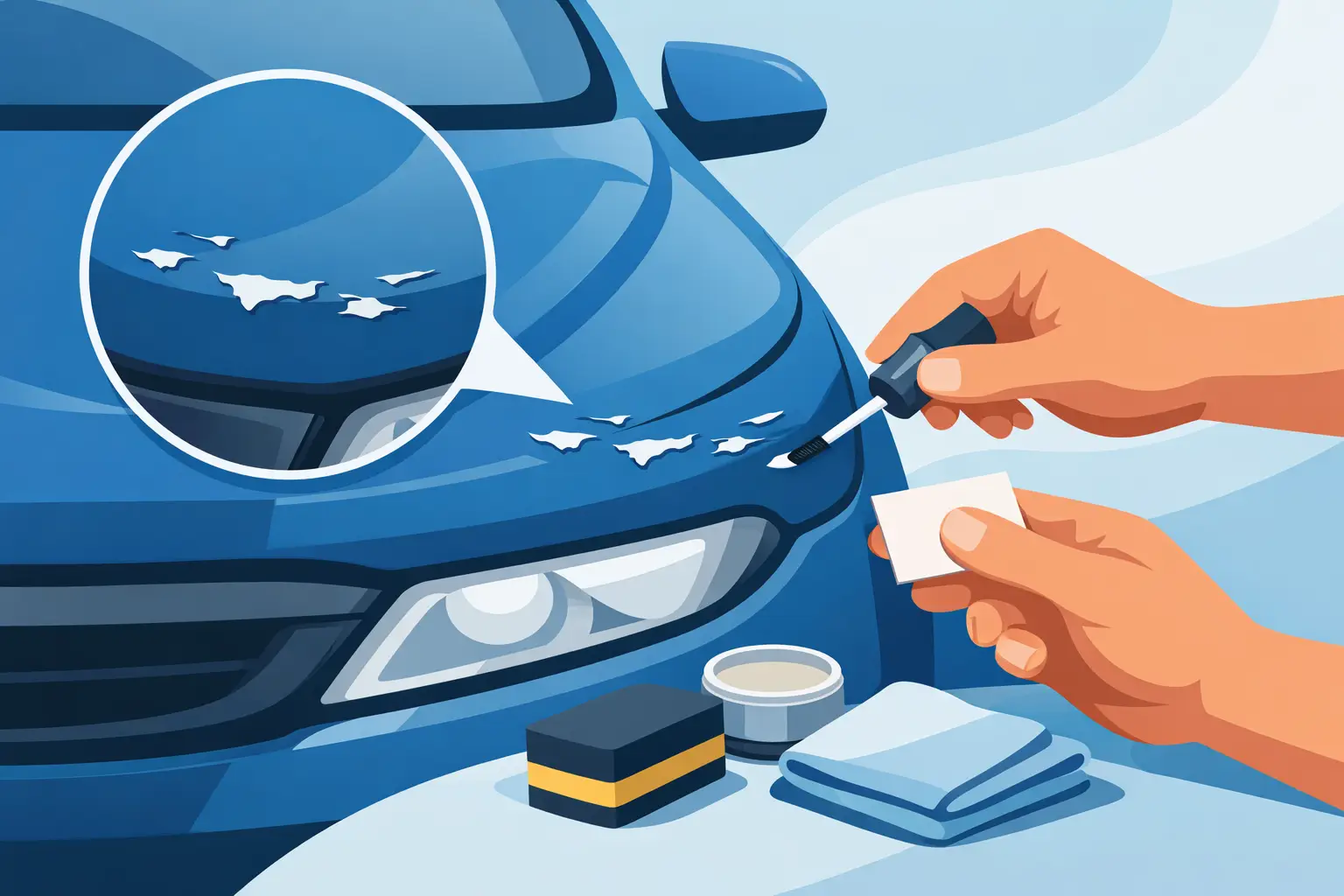
If you can already see bubbling paint, scabs, or brown staining around panel edges, rustproofing alone is not the full answer. Corrosion repair may be needed before protection can do its job.
That might involve stripping back the affected area, treating or removing the rust, repairing damaged metal if required, priming, repainting, and then protecting surrounding sections so the problem does not come straight back. This is especially important around wheel arches, sills, door bottoms, and lower guards.
A proper workshop will be honest about that. If a car needs rust repairs, a quick spray-over is only delaying the bill.
So, what is the best choice for most drivers?
For most cars on Australian roads, the best balance is a combined treatment: cavity wax or oil-based protection inside enclosed sections, plus a quality underbody coating on exposed lower areas. That gives you protection where rust begins and where road damage does the most harm.
If the vehicle is newer, doing this early is smart insurance. If it is older, have it checked first so any existing corrosion is dealt with properly. If you live near the coast, drive on rough roads, or plan to keep the car for years, regular inspections matter just as much as the first application.
At Fast Panel & Paint, the practical view is simple: protect clean metal early, repair rust properly when it appears, and never hide a problem under a thick coat of product. A clean job, the right materials, and honest advice will always beat a cheap shortcut.
If you are unsure what your car actually needs, start with an inspection, not a sales pitch. Rust is far easier to stop than it is to reverse, and the best time to deal with it is before it shows you how expensive neglect can be.