A scrape in the supermarket car park, a dented bumper after a minor shunt, or rust appearing around a wheel arch can quickly turn a good car into one you would rather not look at. Fast turnaround panel repairs are about getting your vehicle back on the road promptly, but not at the cost of the finish, safety or long-term value of the repair.
For drivers, families and commuters, being without a car can disrupt work, school runs and everyday life. The right repairer understands that urgency. They also know that a quick job only counts if the paint matches, the panels line up and the repair lasts through daily driving, rain and road grime.
What fast turnaround really means
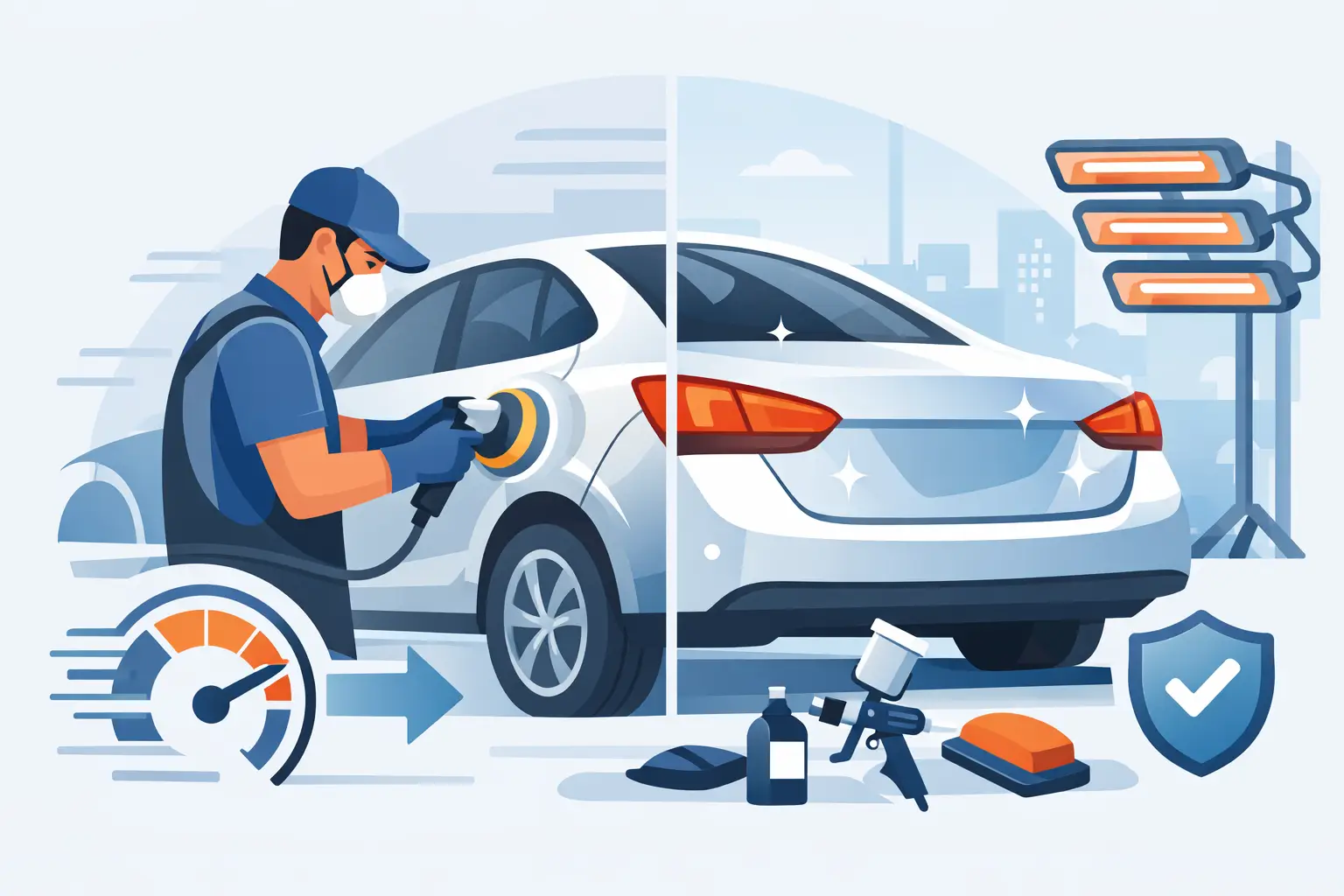
Fast does not mean rushed. It means the repair process is organised from the first assessment through to collection. Damage is inspected properly, parts and materials are identified early, the job is scheduled realistically, and you are kept informed if anything changes.
A quality panel repair often has several stages: stripping damaged trims where needed, reshaping or replacing a panel, preparing the surface, applying primer, colour and clear coat, then curing and polishing the finish. Skipping steps in that chain may save a day, but it can leave you with mismatched paint, uneven panels or a repair that fails early.
The best turnaround is one that suits the damage. A small dent or bumper scuff may be completed far sooner than a heavily damaged door, rust repair or collision job involving structural checks. Honest advice matters here. A workshop should give you a practical timeline based on the work your car actually needs, not a promise made before the damage has been assessed.
Fast turnaround panel repairs start with a clear assessment
The first inspection sets the pace for the whole job. What looks like a minor mark on the outside can hide cracked bumper mounts, broken clips, bent brackets or damage behind a panel. Checking these issues early prevents the frustrating call that says the repair will take longer than expected because something important was missed.
A proper assessment considers more than the visible dent. It looks at panel alignment, paint condition, corrosion, plastic damage, lights, sensors and any safety-related components affected by the impact. For accident repairs, it may also involve insurer documentation and photographs so approval can be handled with less back-and-forth.
Clear quoting is just as important. You should understand what is being repaired, whether parts are required, and what may affect the final timing. If there is a genuine unknown, such as hidden damage behind a bumper, it should be explained upfront rather than appearing as a surprise on the invoice.
The right repair method saves time and protects the result
Not every mark needs the same repair. Choosing the right method is one of the biggest reasons a skilled panel shop can work efficiently without compromising quality.
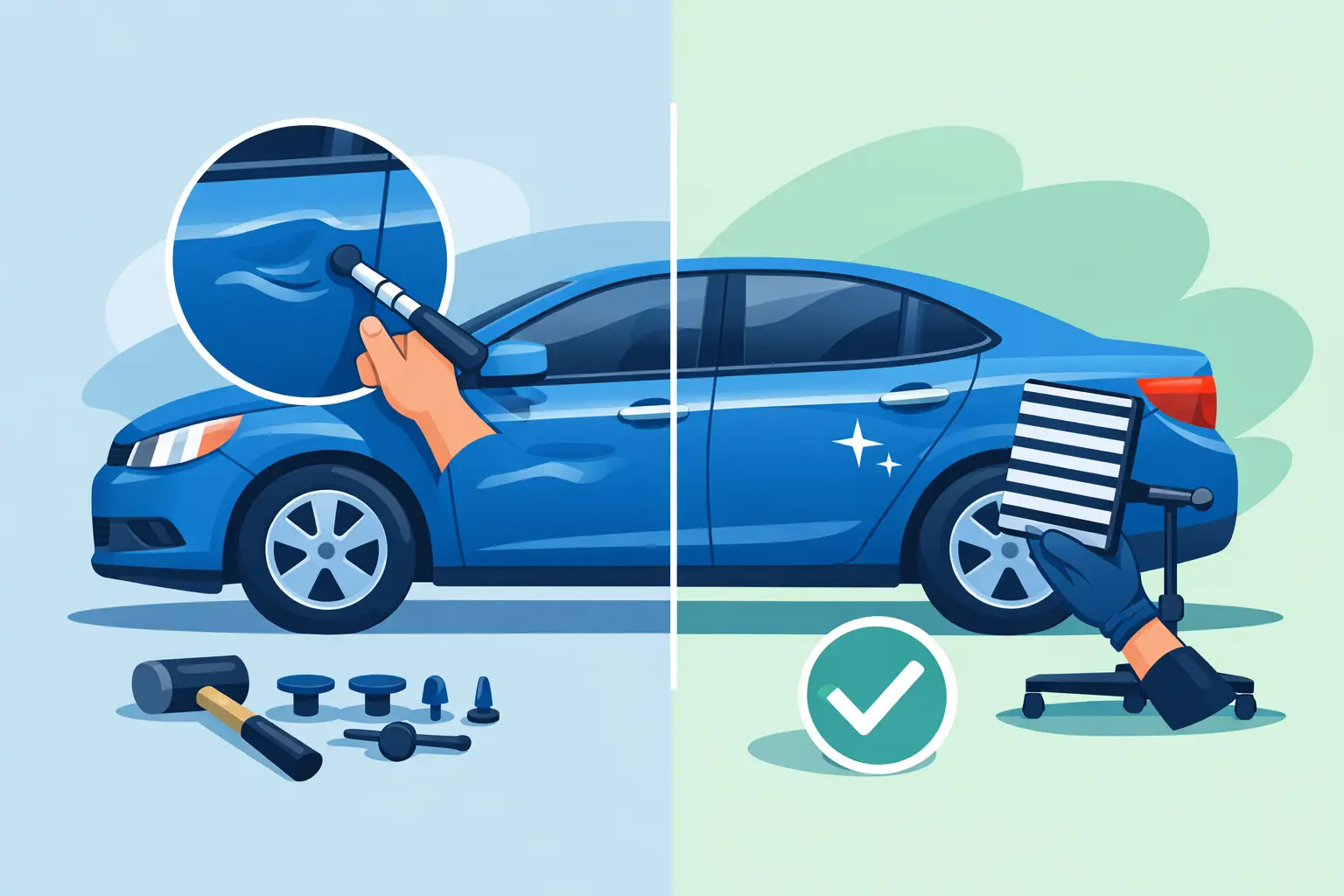
Paintless dent removal can be an excellent option when the paint surface is intact and the dent is accessible from behind. It avoids repainting altogether and can be a smart solution for certain door dings and shallow dents. It is not suitable for every job though, particularly where paint has cracked, the metal is sharply creased or the damage sits on an inaccessible body line.
Bumper repairs can often be completed without replacing the entire bumper. Modern plastic repair methods and plastic welding can restore many splits, scuffs and cracks, provided the damage is within a repairable area. This can reduce cost and delay, especially when replacement parts are hard to source.
For deeper damage, conventional panel beating and refinishing may be the better choice. The panel is repaired carefully, shaped correctly and prepared for paint. This takes more work than a quick cosmetic cover-up, but it creates a better foundation for a smooth, durable finish.
Paint matching is where quick jobs can go wrong
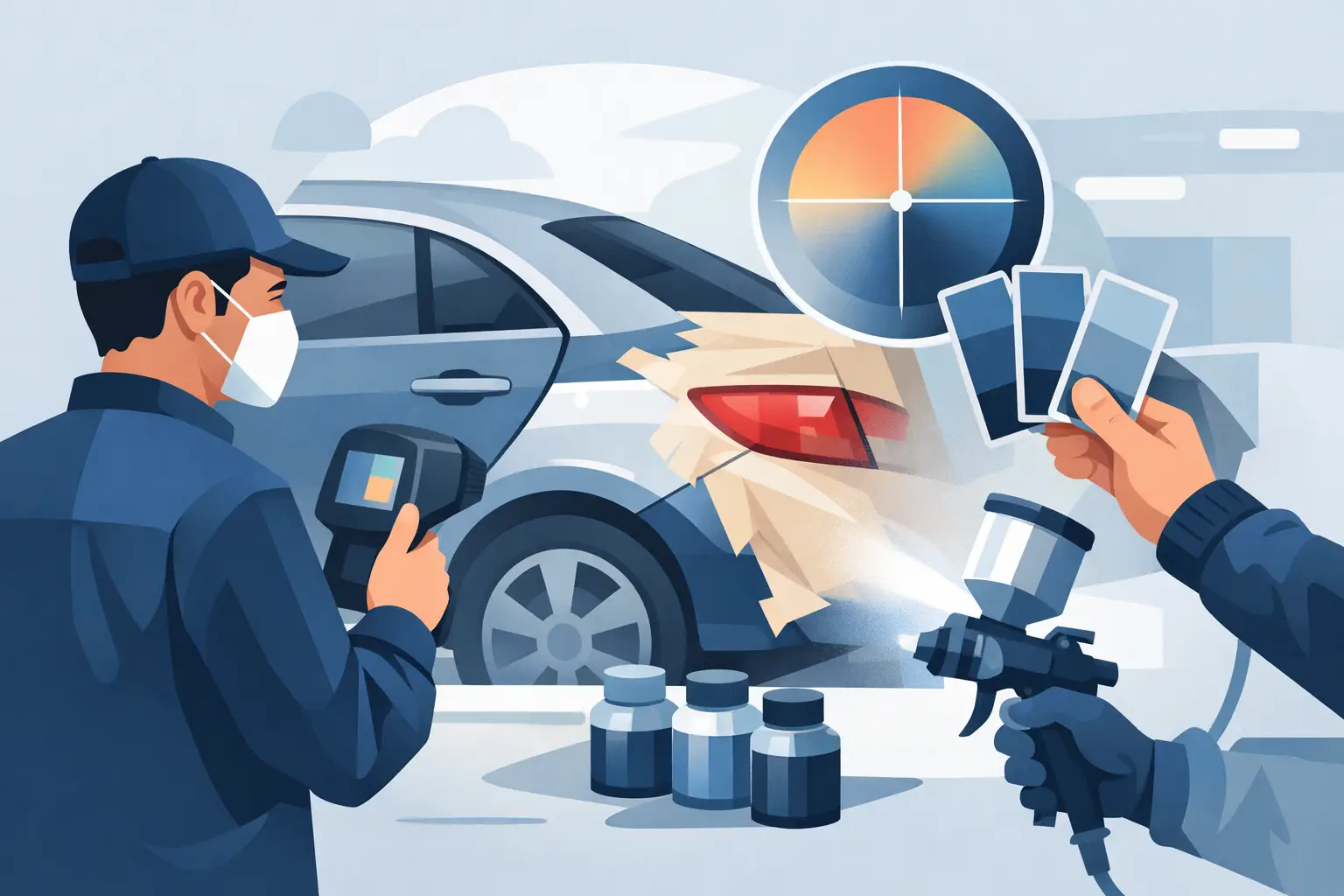
A repaired panel should not stand out every time you walk towards your car. Achieving that result takes more than choosing the paint code printed for the vehicle. Sun exposure, age, previous repairs and even the position of adjacent panels can change how a colour appears.
Professional paint matching involves checking the existing finish and adjusting the colour where required. Depending on the shade and repair area, a technician may blend colour into an adjoining panel so the transition is natural. This can add preparation time, but it is often the difference between a repair that looks acceptable from a distance and one that looks right up close.
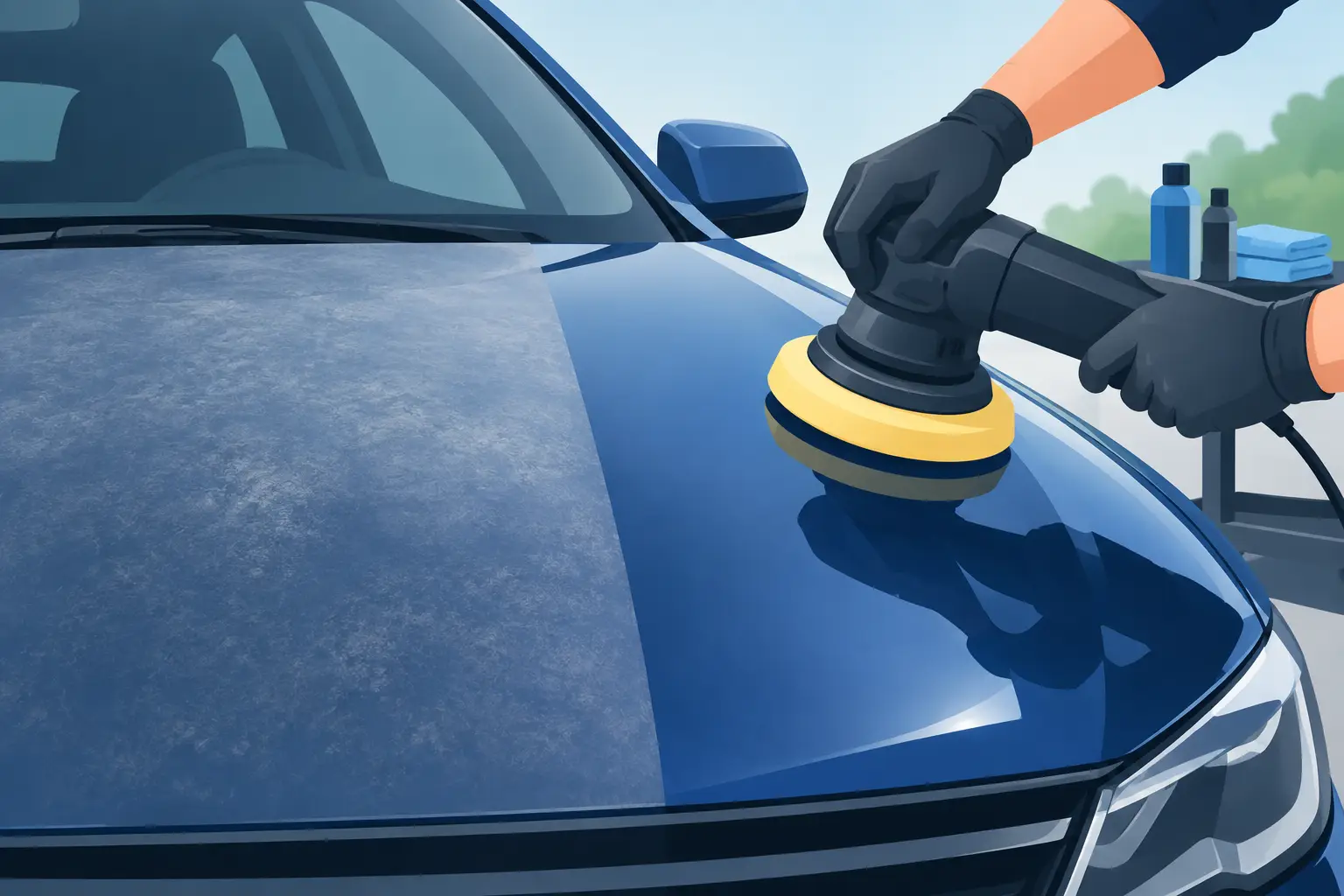
The preparation underneath the paint matters too. Panels need to be clean, smooth and correctly primed before colour is applied. Proper curing and polishing protect the gloss and help the finish stand up to regular washing, weather and road use. If a repairer promises an unusually quick repaint, ask how they will handle preparation and curing. A straight answer is a good sign.
Parts availability can affect the timeline
Some repairs are completed entirely with the parts already on your vehicle. Others require new clips, lights, mouldings, bumper reinforcements, guards or replacement panels. Parts availability is one of the most common reasons a repair timeline changes, particularly for newer models, imported vehicles and vehicles with advanced sensors.
A well-managed workshop checks parts requirements as early as possible and orders them before the repair reaches the reassembly stage. Where appropriate, it may be able to repair an existing part rather than wait for a replacement. That decision should be based on safety, fit and durability, not simply speed.
If your car has parking sensors, cameras, radar equipment or other driver-assistance features, these components need additional care. Repairs around bumpers, mirrors and windscreens may require checking or calibration before the vehicle is returned. It is a necessary part of getting the job right.
Communication keeps the repair moving
Most customers can handle a realistic repair timeframe. What causes stress is silence. If your vehicle is needed for work or family commitments, you need to know where the job stands and whether the expected collection date is still achievable.
Good communication starts with a clear booking and continues with updates at key points, particularly if hidden damage, insurer approvals or parts supply affect the plan. It also helps to discuss transport early. Courtesy car support, where available, can take pressure off while your vehicle is in the workshop.
For insurance repairs, a repairer experienced in insurer-friendly processes can help keep paperwork organised and reduce delays. You should still have a clear understanding of the work being carried out and any excess that applies to your claim.
How to help get your car repaired sooner
You can make the process easier before the vehicle reaches the workshop. Provide clear photos of the damage when booking, along with the make, model, registration and a brief description of what happened. If you are claiming through insurance, have your claim details ready.
Remove personal belongings from the cabin, glovebox and boot before drop-off. Let the repairer know about existing damage that is unrelated to the current job, warning lights on the dash, aftermarket accessories or any concerns about how the car drives. These details help the team assess the vehicle accurately and avoid unnecessary hold-ups.
It is also worth being flexible about cosmetic perfection versus speed where the choice is genuinely yours. For example, repairing a small area may be quicker and more affordable, while painting a larger section may deliver a more uniform result on faded or difficult colours. A good repairer will explain the trade-off clearly and let you decide with the facts in front of you.
Choose workmanship you can see
Fast Panel & Paint approaches repair work with the understanding that your car is valuable to you, whether it is a daily commuter, family SUV, work ute or weekend pride and joy. The goal is not simply to hide damage. It is to restore the shape, colour and confidence you had before the damage happened.
When comparing repairers, look beyond the quickest promised date. Ask how the panel will be repaired, whether the paint will be matched and blended, what happens if extra damage is found, and how you will be updated. Those answers tell you far more about the likely result than a vague claim of speedy service.
Your car does not need to sit off the road for longer than necessary, and it should not return looking like corners were cut. Choose a repair process that respects your time, explains the work honestly and leaves you pleased to see your vehicle in the driveway again.