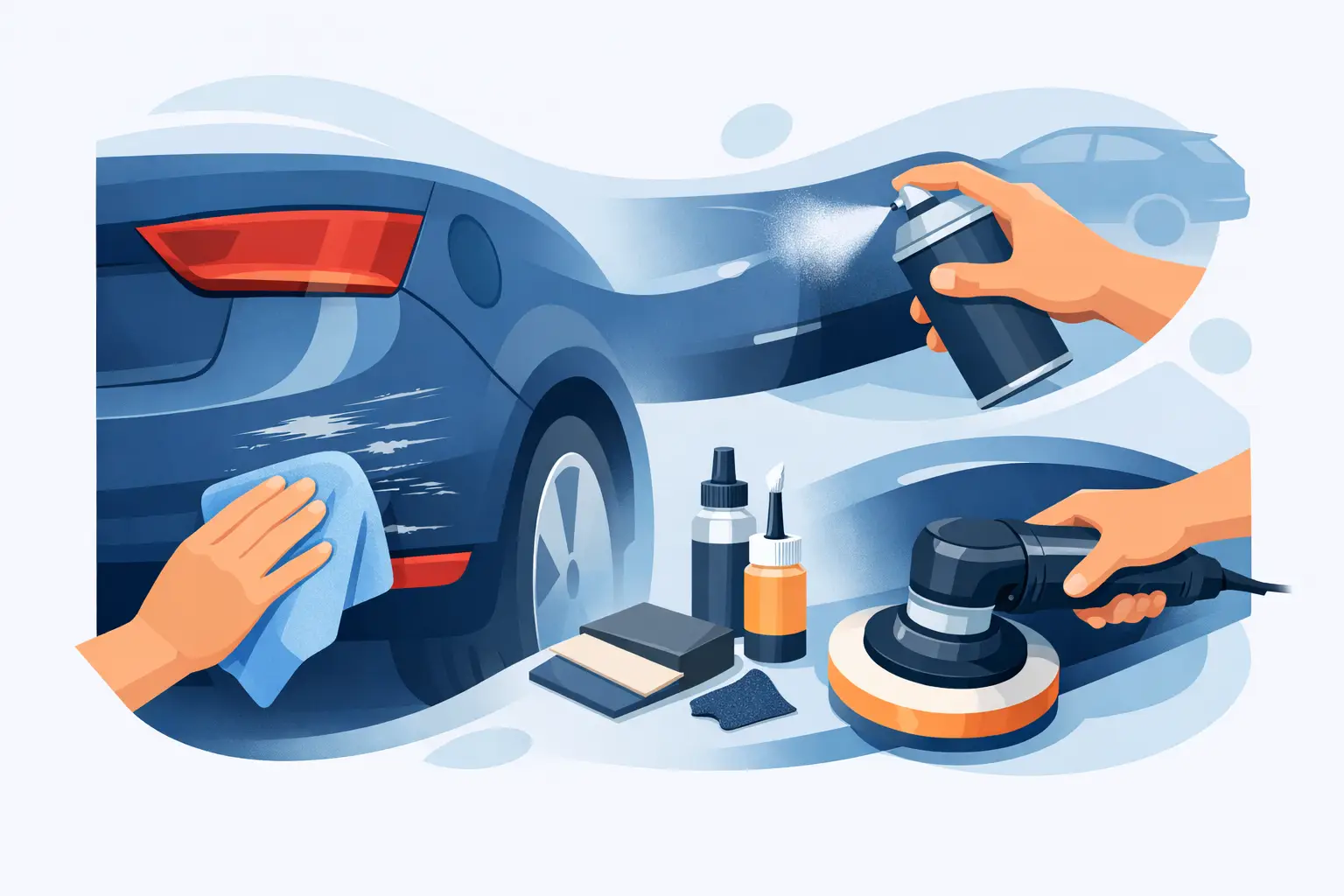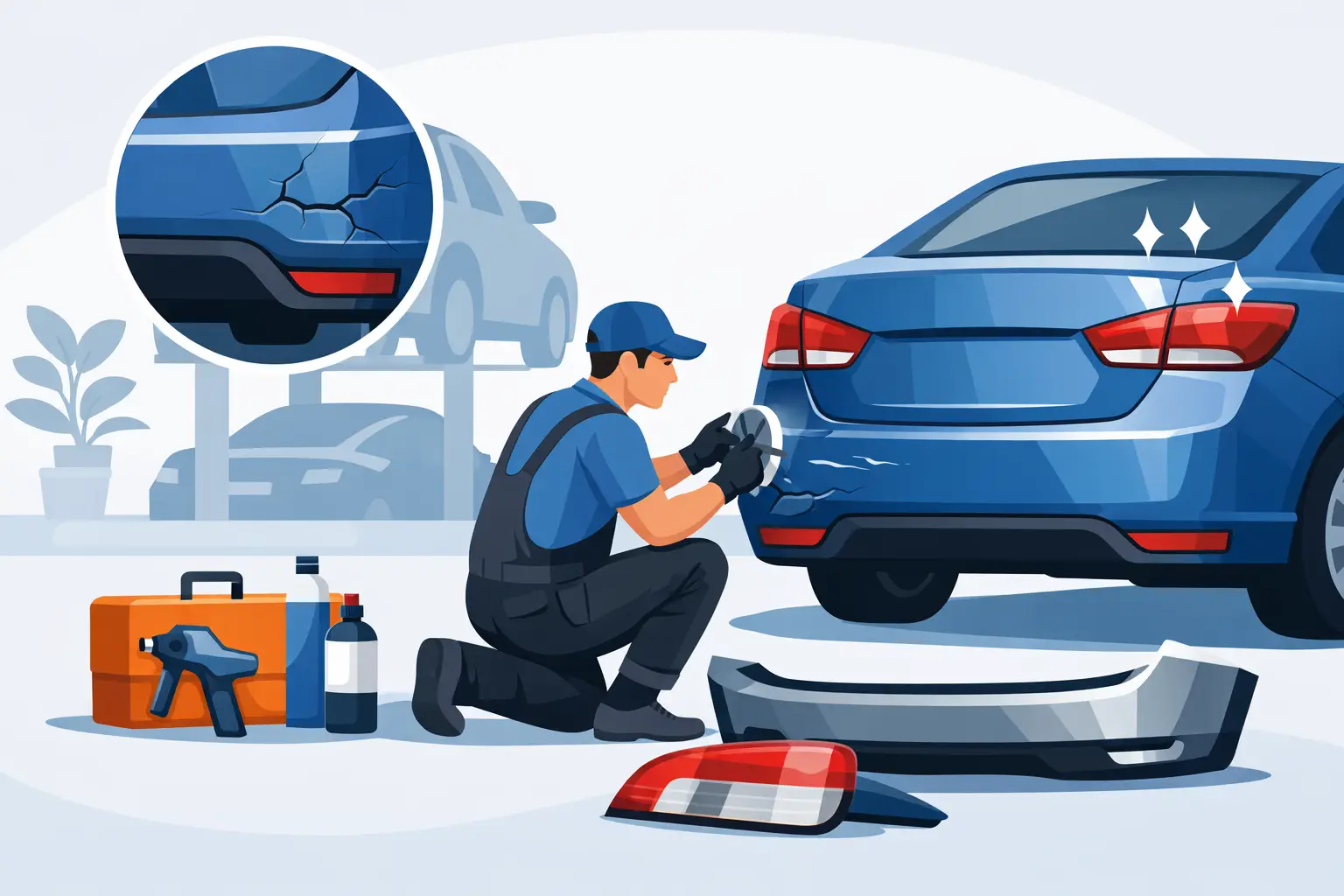
A repaired guard can be straight, smooth and structurally sound, yet still look wrong from the driveway if the paint is even slightly off. Paint matching after repairs is what separates a patch that catches your eye from a finish that lets the repair disappear back into the vehicle.
For most owners, the goal is simple: get the damage fixed and get the car looking like it did before the scrape, dent or collision. Achieving that result takes more than ordering paint by the code on the compliance plate. It takes careful assessment, proper preparation and a painter who knows how colour behaves across an ageing vehicle.
Why a Paint Code Is Only the Starting Point
Your vehicle’s paint code identifies the original factory colour specification, but it does not guarantee that one mixed formula will perfectly match every panel years later. Sunlight, weather, washing products, road grime and previous repairs can all change the appearance of a finish over time.
White can become warmer or duller. Black can lose depth. Silver and grey metallics can look lighter or darker depending on the angle. Reds, blues and bright colours may fade noticeably where they have had the most UV exposure. Even two cars built in the same factory colour can show slight variation.
Paint manufacturers also produce formula variants. A colour code may have several approved versions to account for differences in pigments, production batches and factory application. A professional refinisher checks these variants rather than assuming the first formula will be right.
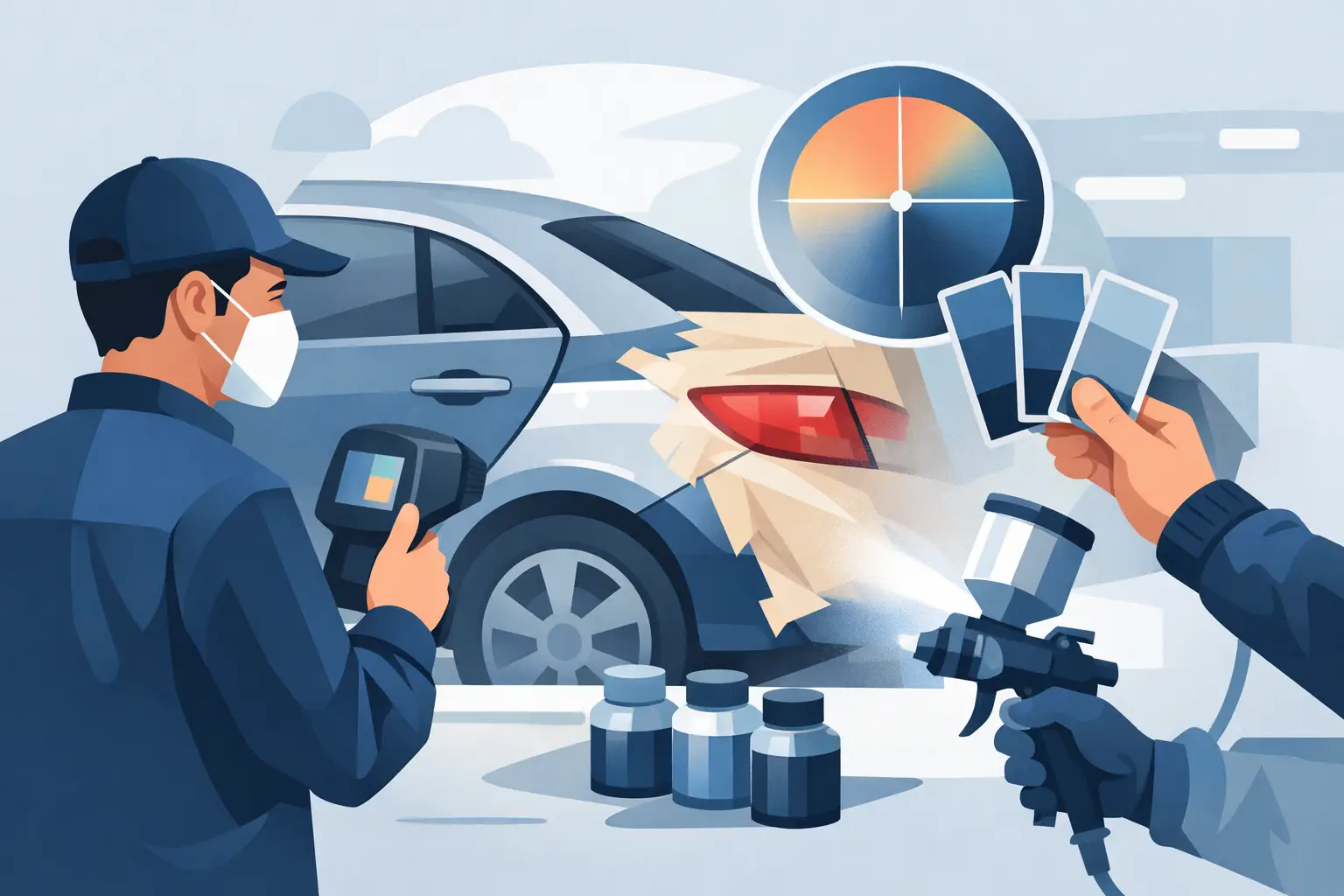
That is why a quality repair starts with the actual vehicle in the workshop, under good lighting. The painter compares colour cards or spray-out samples against the surrounding panels and selects the closest match before paint goes near the repaired area.
Paint Matching After Repairs Is About More Than Colour
Colour matters, but it is only one part of the finished appearance. Gloss level, metallic orientation, pearl effect and the texture of the clear coat all affect whether a repair blends in or stands out.
Metallic paints are a good example. Tiny aluminium flakes sit differently depending on how the paint is sprayed. If the pressure, gun setup, overlap or application technique is wrong, the same paint can appear darker in one direction and lighter in another. Pearlescent finishes are even more demanding because their colour shifts as you walk around the vehicle.
Clear coat has a major role too. A fresh clear coat can look deeper and glossier than an older neighbouring panel. The right polishing process helps refine the repaired area, but it cannot fix poor colour selection or rushed paint application underneath.
A flawless finish comes from controlling all of these details together, not simply putting the closest-looking colour over the repair.
Preparation Makes the Finish Last
Paintwork is only as good as the surface beneath it. Before colour is applied, damaged metal or plastic needs to be correctly repaired, shaped and sealed. Any remaining distortion, unstable filler, surface contamination or moisture can affect both the look and durability of the job.
The repaired area is sanded through the correct stages so it transitions smoothly into the original panel. Primer is applied where needed, then sanded flat to provide an even base for colour. On bumper repairs and plastic parts, the right flexible materials and adhesion processes are essential. Plastic moves more than steel, so using unsuitable products can lead to cracking or peeling later.
Cleanliness also matters. Silicone from detailing products, wax, oil and airborne dust can cause defects such as fish-eyes, roughness or poor adhesion. A proper spray booth, controlled preparation and OEM-approved materials give the paint the best chance of looking right on day one and staying that way.
Why Blending Often Produces the Best Result
In many repairs, painting only the damaged spot is not the best option. A small spot repair may save material, but it can leave a visible edge or a slight colour difference beside the original finish. This is particularly common on bonnets, guards, doors and quarter panels where light falls across a large flat surface.
Blending solves this by gradually fading the matched colour into the adjacent area, then applying clear coat across the appropriate panel. Instead of creating a hard line between old and new paint, the transition is softened until the eye cannot pick it up.
The exact approach depends on the location and extent of the damage. A scuff low on a bumper may be suitable for a contained repair. A crease in the middle of a metallic door may need the colour blended into the next panel for a cleaner result. The honest answer is that there is no one-size-fits-all method.
A good repairer explains the recommended process before work begins. The cheapest option is not always the best value if it leaves an obvious mismatch that bothers you every time you approach the car.
Lighting Can Change What You See
A repair can look excellent inside a workshop but appear different in full sun, shade or under service-station lights. This is called metamerism – when colours appear to match under one light source and differ under another.
Professional painters assess colour under multiple light conditions where possible. Natural daylight is valuable, while colour-corrected workshop lighting helps reveal differences that ordinary indoor lights can hide. The vehicle should also be viewed from different angles, especially with metallic and pearl finishes.
This is one reason a panel may look slightly different in a photo than it does in person. Camera processing, reflections and surrounding colours can all change the result. The final check should always be made on the vehicle itself.
Previous Repairs Can Complicate a Match
Not every vehicle still wears its original paint. A previous owner may have had a door, bumper or guard repaired using a slightly different colour variant. Some older cars have been polished heavily, touched up at home or partly resprayed over the years.
When that happens, matching the factory code alone may not match the panel beside the damage. The painter needs to match what is actually on the vehicle, while also considering how the finish will flow across neighbouring panels.
This is where experience pays off. A skilled panel and paint team does not just follow a formula. They assess the vehicle’s history, inspect the repaired area closely and choose a process that gives the most natural visual result.
What You Can Expect From a Professional Paint Repair
A professional repair process should feel clear, not confusing. You should receive a straightforward quote that explains the repair area and whether blending or extra panel work is recommended. If hidden damage is discovered after the vehicle is stripped down, you should be contacted before additional work goes ahead.
Once the repair is complete, inspect it in daylight if possible. Look along the panel from several angles rather than standing directly in front of it. The paint should have consistent gloss, no obvious tape lines, no rough overspray and no visible difference where the repair transitions into the original finish.
Fresh paint also needs sensible care. Avoid harsh washing, abrasive polishing and unnecessary chemicals during the curing period advised by your repairer. While modern refinishing products cure efficiently, giving the finish time to fully harden helps protect the work that has just been done.
A Better Match Starts With the Right Repair Plan
If your car has collision damage, a scraped bumper, rust repair or a dent that needs repainting, ask how the colour will be matched and whether adjacent panels need blending. That one conversation can tell you a lot about the quality of the proposed job.
At Fast Panel & Paint, the focus is on repairs that look right from every angle, not just work that looks acceptable at first glance. The right colour, careful panel preparation and experienced application make all the difference.
Your vehicle does not need to look like it has been repaired. With the right paint process, it can look like the damage never happened.