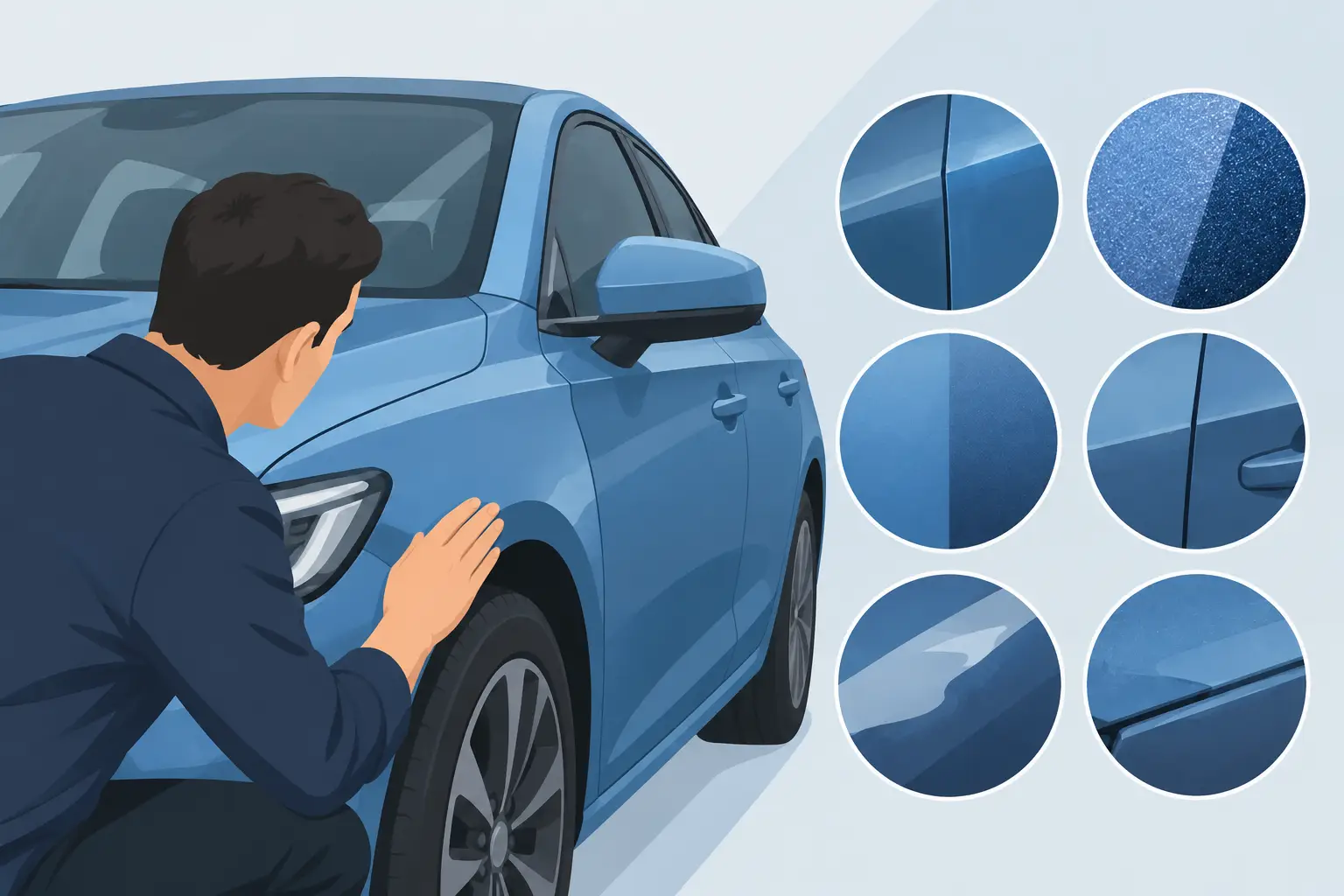
A tiny bubble under the paint can look harmless on a busy weekday morning. Leave it through one wet season, though, and that same spot can spread beneath the surrounding paint, stain the panel and turn a straightforward repair into a larger job. Knowing when to repair car rust comes down to more than how it looks. The key question is whether moisture has already found its way through the paint and into the metal.
Rust does not heal, dry out or stay neatly contained. It is corrosion, and once it starts, it keeps working unless the affected metal is properly treated. Acting early protects your vehicle’s appearance, resale value and, in some cases, its safety and roadworthy condition.
When to repair car rust straight away
The right time to book a rust repair is usually earlier than most owners expect. If you can see rust, the corrosion may already extend beyond the visible mark. Paint can hide the real edge of the damage, particularly around wheel arches, doors, sills, guards and the lower section of the boot lid.
Surface rust is the best-case scenario. It often appears as an orange-brown stain, a small rough patch or light corrosion where a stone chip has broken the paint. This is the time to act quickly. A proper repair can remove the corrosion, prepare the metal, prime it and colour-match the repaired area before the panel starts to deteriorate.
Paint bubbling deserves the same urgency. Bubbles mean rust is growing underneath and lifting the paint away from the metal. Polishing over it, touching it up from the outside or covering it with a sticker will not stop the problem. The affected area needs to be opened up so the full extent of the corrosion can be removed.
You should also arrange an inspection promptly if rust appears after accident damage. A scrape, dent or cracked bumper may have damaged paint along a panel edge or exposed bare metal behind a trim piece. Even if the outside looks minor, water can sit in those damaged areas and start corrosion where you cannot easily see it.
Rust signs that mean the repair may be bigger
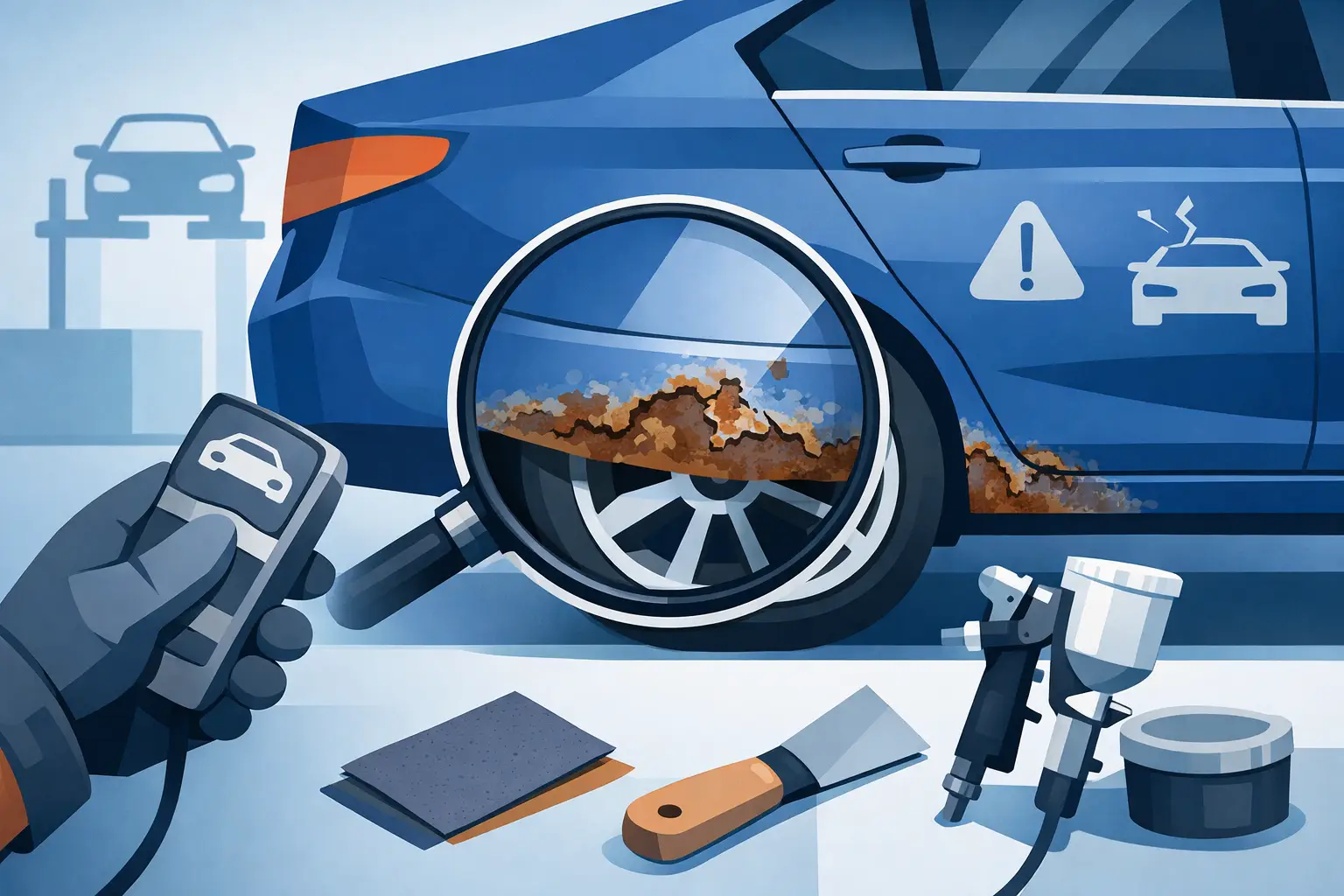
Not every rust repair involves replacing a panel, but some warning signs call for a thorough professional assessment. Flaking metal, holes, soft sections, swollen seams and rust around mounting points are all signs that corrosion may have moved past the surface.
Pay close attention to these areas:
- wheel arches and inner guards, where water, mud and road grit collect
- door bottoms, sills and rocker panels, especially where drain holes are blocked
- the bonnet’s leading edge, roof gutters and boot lip
- around windscreens, rear windows and weather seals
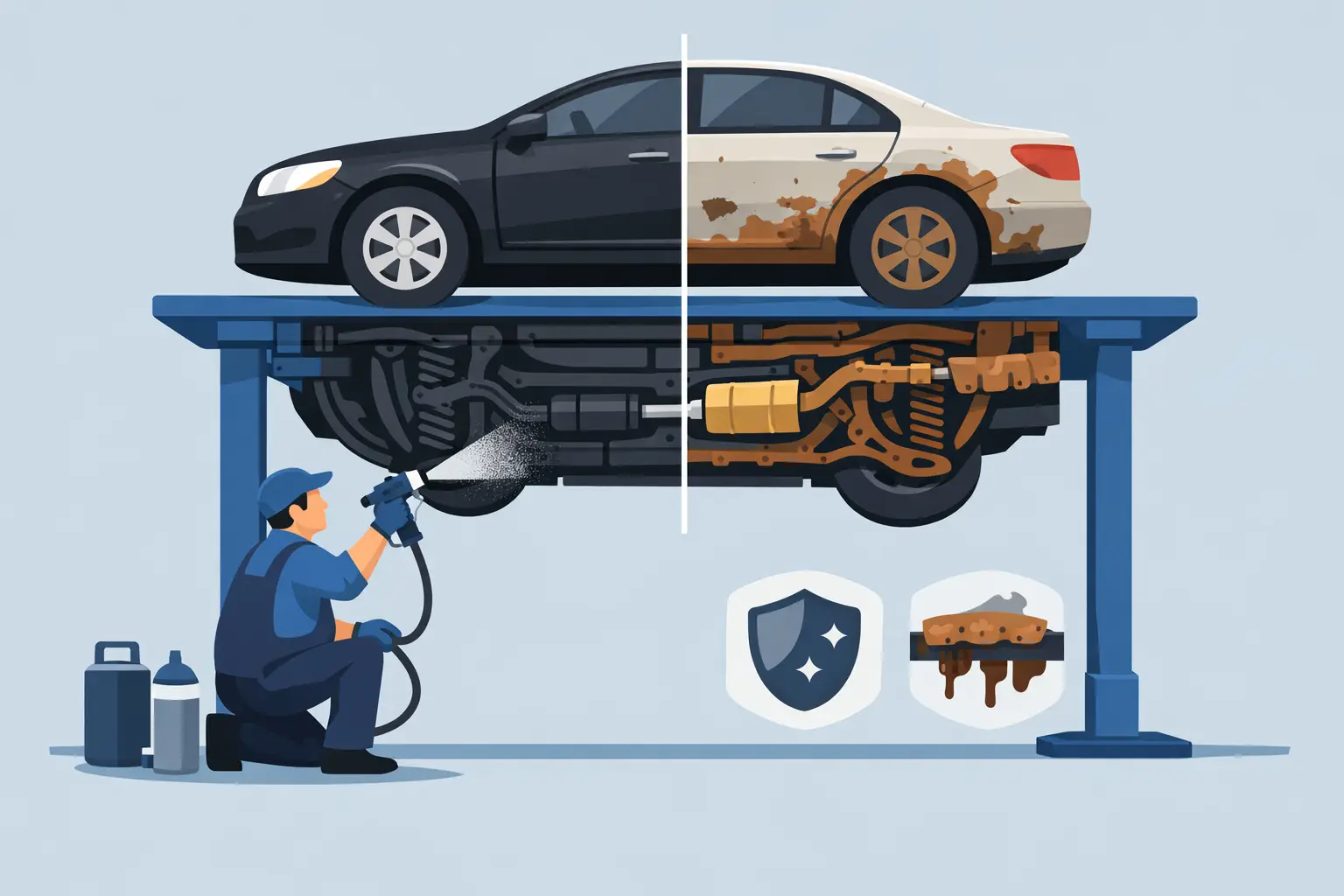
- the underbody, suspension mounting areas, floor pans and chassis sections
Rust near structural sections should never be treated as a cosmetic problem. On older cars, utes and vehicles that spend time near the coast, corrosion underneath can affect the strength of the metal. It can also create issues at a roadworthy inspection or when selling the vehicle. A panel beater can determine whether the metal can be repaired safely or whether a section needs to be cut out and replaced.
There is a trade-off here. A small repair carried out properly costs more than a quick paint-over, but it avoids paying twice when the rust returns around the edge of the patch. Honest rust work starts by finding the full affected area, not by making it disappear for a few months.
Can you wait on a small rust spot?
If the spot is genuinely small, dry and limited to a paint chip, you may have a short window to organise repairs. The sensible move is to protect it temporarily and keep a close eye on it. Clean the area gently, avoid leaving moisture or salt on the panel, and do not let a temporary touch-up become a permanent solution.
How long you can wait depends on where the rust is and how the car is used. A tiny chip high on a door in a dry garage is less urgent than corrosion on a wheel arch, sill or bonnet edge exposed to rain and road spray every day. Coastal air, frequent wet-weather driving, parking under trees and blocked drainage channels all speed things up.
The problem is that surface appearance can be misleading. If the paint has started to lift, if the patch feels rough or if brown staining returns after washing, it is time for a proper repair. Waiting until the next service is reasonable only when the metal is still solid and the paint damage is fresh. Waiting until there is a hole is rarely the cheaper choice.
Why DIY rust fixes often fail
A small touch-up can be useful for a fresh stone chip, provided the area is cleaned, treated and sealed correctly. But DIY rust repairs often fail because the visible rust is sanded back without removing corrosion from the pits, seams or rear side of the panel. New paint then seals in a problem that continues to spread.
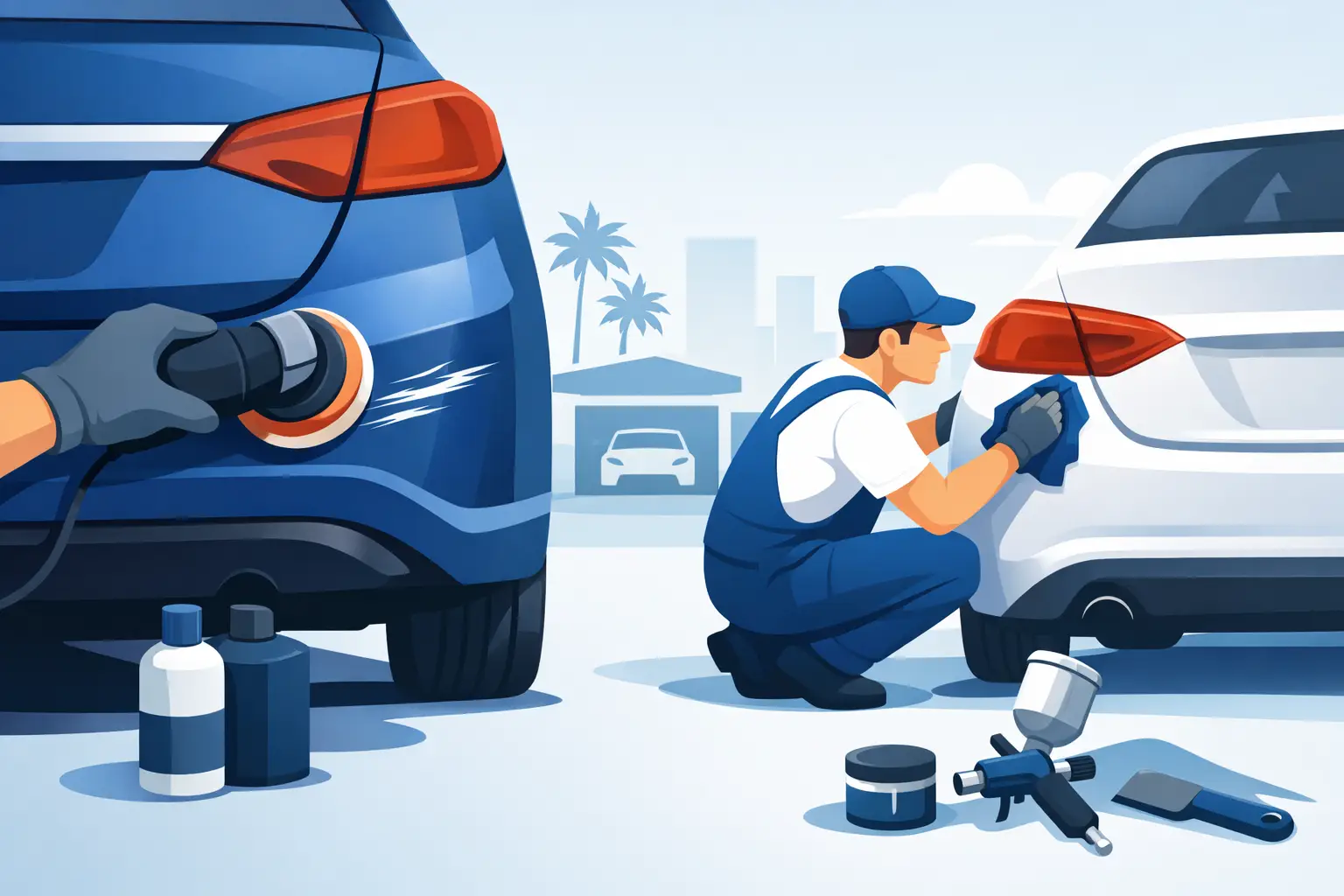
Colour matching is another challenge. A repair may look acceptable on day one but stand out in sunlight if the paint shade, blend or clear coat is wrong. On modern vehicles, a quality finish relies on correct preparation, suitable primers, refinishing materials and proper curing – not just a tin of paint.
For a vehicle you plan to keep, sell or take pride in, professional repair is usually the better value. The aim is not merely to hide the mark. It is to restore sound metal, protect it from moisture and leave a finish that belongs with the rest of the vehicle.
What a proper car rust repair involves
The repair method depends on the location and depth of the damage. Light surface corrosion may be removed and treated before priming and repainting. Where rust has thinned or perforated the steel, the damaged metal may need to be cut out and a new section welded in. The repaired area is then shaped, sealed, primed and painted to suit the panel.
Good preparation matters as much as the final paintwork. Seams, edges and the rear of the repaired panel need protection too, especially in wheel arches and underbody areas. Without proper sealing and undercoating where required, moisture can find its way back in from behind.
A quality workshop will explain what it has found before work begins. Rust can reveal extra damage once the paint and corrosion are removed, so clear communication is essential. You should know whether the quote covers a localised repair, a larger section replacement or refinishing across adjacent panels for a consistent colour match.
At Fast Panel & Paint, the focus is on repairing the cause as well as restoring the finish. That means practical advice, clear expectations and workmanship designed to last rather than a quick cosmetic cover-up.
How to slow rust between repairs
You cannot prevent every stone chip or scrape, but regular care makes a real difference. Wash road grime from wheel arches, lower doors and underbody areas, particularly after coastal trips or wet-weather driving. Check drain holes in doors and around the boot so water does not sit where it should escape.
Deal with paint chips before bare metal is exposed for months, and inspect your car after a knock in a car park or a minor collision. If you notice bubbling paint, discolouration around a seal or a patch that feels soft, take a photo and have it checked before it spreads.
The best time to repair rust is when it is still small enough to be properly removed, not when it has become impossible to ignore. A quick inspection now can save a panel, protect your car’s value and keep it looking sharp for the kilometres ahead.