A trolley ding in the supermarket car park can look minor until the afternoon sun hits the door and makes it impossible to ignore. If you are asking, is paintless dent removal worth it, the short answer is often yes – provided the paint is still sound and the dent is suitable for the process. It can restore the shape of a panel without filler, repainting or keeping your vehicle off the road longer than necessary.
Paintless dent removal, commonly called PDR, is one of the smartest ways to deal with small cosmetic damage. But it is not a magic fix for every dent. Knowing where it works best helps you choose the right repair the first time and avoid paying for a result that will not last.
What paintless dent removal actually does
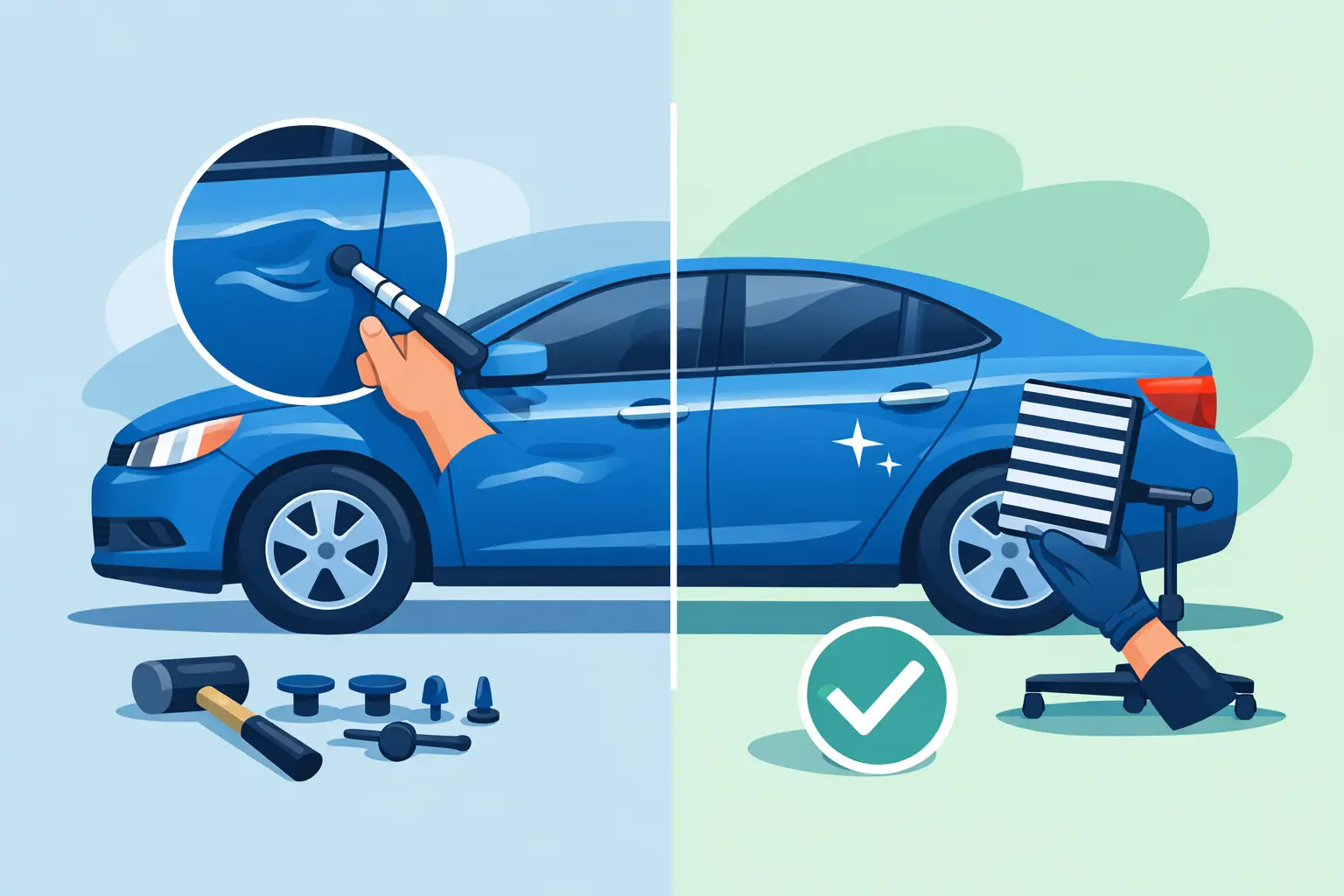
PDR is a specialised repair method that gently returns a damaged metal panel to its original shape from behind. A technician uses purpose-made tools to carefully massage the metal back into position. Where rear access is limited, controlled pulling methods may be used from the outside of the panel.
The goal is not to hide the dent. It is to restore the panel while keeping the original factory paint intact. That matters because factory paint is generally more durable and better matched than a repaint, particularly on newer vehicles.
A quality PDR repair is slow, precise work. The technician reads the reflection in the panel, works the metal in tiny movements and checks the finish from multiple angles. When it is done properly, the dent should not jump out at you in bright light or when the car is freshly washed.
Is paintless dent removal worth it for everyday damage?
For the right dent, PDR is usually worth it because it saves on both repair time and paintwork. A small door ding, soft crease or shallow dent from a reversing mishap may be repaired without sanding, bog, primer or colour matching. That means fewer repair stages and less disruption to your week.
It also protects the value of a well-kept vehicle. Buyers, dealers and valuers notice mismatched paint, overspray and poor blending. Retaining the original finish where possible is a genuine advantage, especially if your car is relatively new or you plan to sell it later.
The cost benefit can be significant, but it depends on the panel, location and access. A simple dent in the middle of a door is generally quicker to repair than one near a body line, wheel arch or panel edge. A dent that appears small can take more time if it sits behind bracing, impact beams or electrical components.
For many owners, the real value is straightforward: the vehicle looks right again without turning a minor dent into a larger panel and paint job.
When PDR is the best option
Paintless dent removal is at its best when the metal has been pushed in but not badly stretched, and the paint has not cracked or chipped. Common examples include trolley dings, car park knocks, light hail damage, minor sports-ball impacts and shallow dents caused by someone opening a door into yours.
Modern vehicle paint has some flexibility, which helps PDR work well on late-model cars. The panel can often be reshaped while the paint moves with it. Aluminium panels can also sometimes be repaired using PDR, although they behave differently from steel and require the right experience and equipment.
PDR can be particularly worthwhile when damage is isolated. There is no sense repainting an entire door for one small dent if the panel, paint and access all make a paintless repair possible. It is a cleaner repair route that keeps more of your car original.
When paintless dent removal is not enough
There are times when conventional panel beating and painting will produce the better result. If the paint is broken, the panel is sharply creased, or the metal has stretched significantly, simply pushing it back may leave visible distortion. A dent on a hard body line can also be far more complex than its size suggests.
Damage close to a panel edge is another common challenge. Edges are stronger and less flexible, and there may be limited room to work behind them. The same applies to dents over reinforced sections or areas with restricted access.
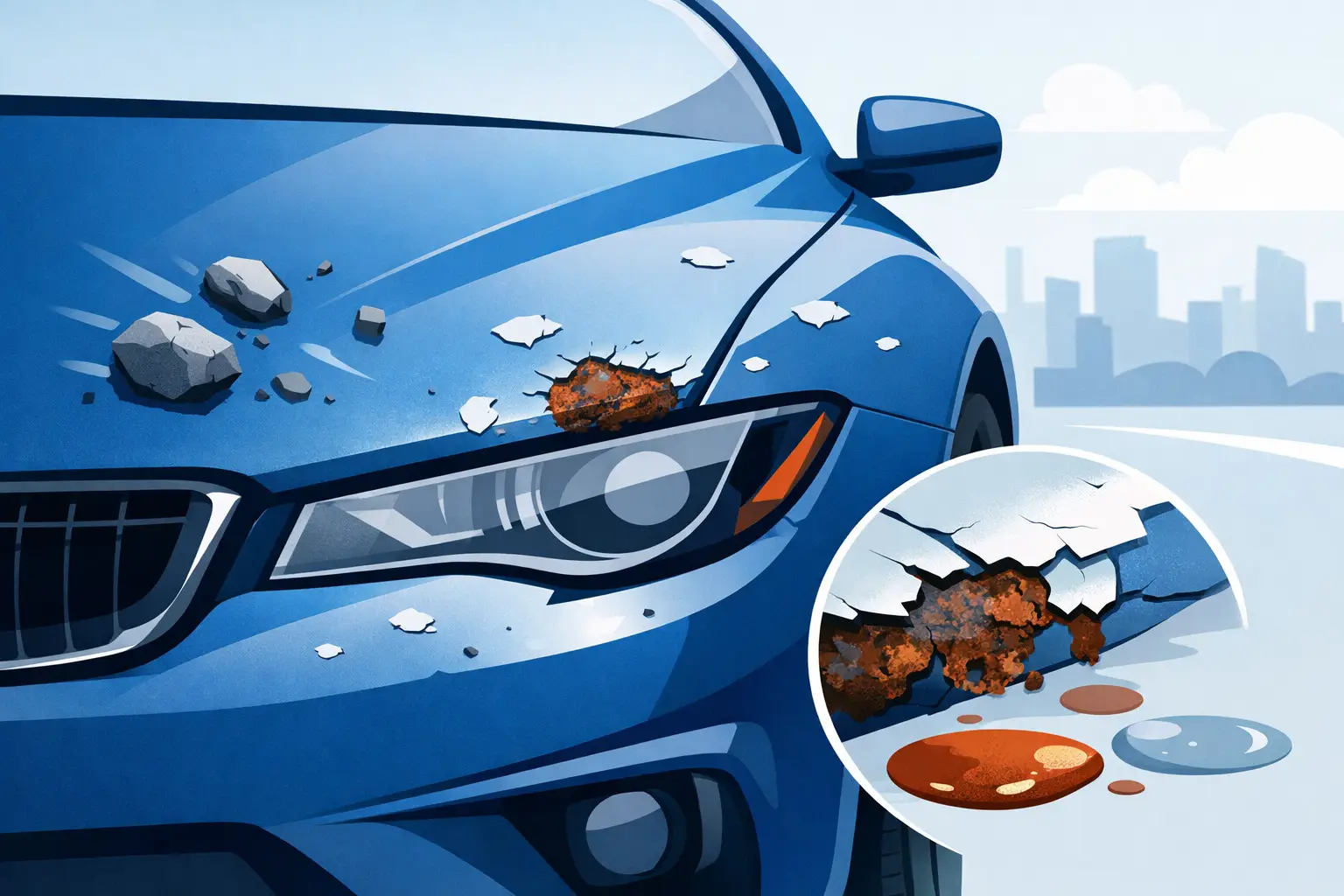
Rust changes the decision completely. If a dent has damaged paint and exposed bare metal, moisture can begin working underneath the finish. In that case, the panel needs proper preparation, corrosion treatment and repainting rather than a cosmetic push-out. Ignoring it to save a few dollars can lead to a much bigger repair later.
Previous repairs matter too. If a panel contains filler from an earlier accident repair, PDR may not be suitable. The pressure needed to reshape the metal can crack filler or lift old paint. An experienced repairer will inspect the damage and be clear about whether PDR is the right approach or whether a conventional repair is the honest recommendation.
PDR versus a conventional dent repair
A conventional dent repair involves restoring the panel shape, applying filler where needed, sanding, priming, painting and blending colour into adjacent areas when required. It is the right solution for deeper impact damage, scratches through the paint, rust repairs and larger distorted sections.
PDR avoids those paint stages when the original finish is intact. This can reduce turnaround time and may reduce the repair cost. It also avoids the risk of colour variation that can occur when refinishing metallic, pearl or faded paint.
That does not mean PDR is always the cheaper option. Deep dents, tricky access and complex body lines take skill and time. A proper PDR technician will price the repair based on the actual work required, not just the diameter of the dent. Be wary of quotes that promise a perfect result for every dent without first seeing the vehicle.
The better question is not just, “What is the cheapest repair?” It is, “What repair will restore this panel properly?” A good workshop will explain the options clearly, including the finish you can realistically expect.
What to expect from a professional assessment
Before approving PDR, a repairer should inspect the panel in good lighting and check the paint closely. They will look at the depth of the dent, whether there are sharp creases, the position of body lines and whether the rear of the panel can be accessed safely.
They should also consider what sits behind the panel. Doors may contain window mechanisms, side-impact bracing, wiring and trim. Bonnet and boot panels can have reinforcement frames. Removing trim carefully and refitting it correctly is part of doing the job properly, not an optional extra.
At Fast Panel & Paint, the focus is on recommending the repair that gives your vehicle the right finish and lasting value. Sometimes that is paintless dent removal. Other times, a precise panel repair and professional paintwork is the better call. Straight advice before work starts saves disappointment later.
How to get the most from PDR
Acting early helps, especially if the dent includes a small paint chip. The dent itself may still be repairable, but exposed metal should be dealt with before corrosion takes hold. Wash the panel so the damage is easy to assess, and avoid trying suction cups, heat tricks or DIY glue tabs unless you are prepared for the risk of making the panel worse.
Home fixes can pull the metal unevenly, crack paint or create high spots that are harder to correct than the original dent. Modern panels are thin, shaped and reinforced in ways that make a professional finish difficult to achieve without the right tools and trained eye.
Take clear photos in natural light, including an angled shot that shows the reflection across the dent. This can help a workshop give an initial indication, although a final quote should follow an in-person inspection where possible.
A repair choice that respects your vehicle
Paintless dent removal is worth it when it lets you keep good factory paint, avoid unnecessary refinishing and bring a damaged panel back to a clean, tidy standard. It is fast, effective and excellent value for suitable dents, but only when the damage genuinely fits the method.
If the paint is cracked, the metal is stretched or rust has started, choosing a proper panel and paint repair is not overkill – it is the sensible way to protect the vehicle. Get the dent assessed, ask what finish is achievable, and choose the repair that will still look right long after you have forgotten how the damage happened.