A flawless car paint finish is not created by simply spraying colour over a damaged panel. It starts with the work underneath: straightening dents properly, treating corrosion, preparing the surface, matching the colour accurately and allowing every layer to cure as it should. When those steps are done well, your vehicle does not just look better from a few metres away. It holds up to daily driving, weather and washing.
For owners dealing with accident damage, faded clear coat, stone chips, car park scrapes or rust, the goal is usually simple: get the car looking right again without surprises on price, quality or timing. Here is what separates a quick cosmetic cover-up from paintwork you can be proud to park in the driveway.
A flawless car paint finish starts below the surface
Paint shows everything. A small low spot, a ripple in the panel or a rough repair line can become obvious once sunlight hits the vehicle. That is why professional refinishing begins with inspection and panel repair, not the paint booth.
After collision damage, a bumper scrape or a dented door, the damaged area needs to be brought back to its proper shape. Depending on the damage, that may involve panel beating, plastic welding, paintless dent removal or a conventional repair using appropriate fillers. The best option depends on where the damage sits, how deep it is and whether the panel has been stretched, cracked or creased.
A minor dent with sound paint may be suitable for paintless dent removal. It is often quicker and avoids repainting altogether. But where paint is broken or the panel is distorted, a proper repair and repaint is the better long-term call. Trying to save a few dollars by painting over an unresolved dent usually means paying for the same job twice.
Rust deserves even more care. Rust under paint does not stay hidden for long. It needs to be removed, the metal assessed and treated, then sealed correctly before refinishing begins. A tidy-looking patch that skips these stages may bubble again after a wet season, taking the surrounding paint with it.
Colour matching is more than finding a paint code
Every vehicle leaves the factory with a paint code, but that code is only the starting point. Sun, washing, road grime and age gradually change how paint appears. Even two panels from the same vehicle can look slightly different after years on the road.
A quality repairer checks the paint code, assesses the condition of the existing finish and uses colour-matching technology alongside trained judgement. Test cards may be sprayed and compared before colour goes on the vehicle. This helps account for differences in metallic flakes, pearl effects and the way a particular shade looks in natural light.
For a small repair, it may be possible to colour only the damaged section. On some colours, particularly silvers, reds, metallics and pearls, blending colour into the adjoining panel gives a much cleaner result. Blending takes more preparation and materials, so it can affect the quote. It is also often the difference between a repair that is merely acceptable and one that disappears into the rest of the car.
This is where an honest assessment matters. A repairer should explain whether a spot repair will meet a good standard or whether blending is recommended for an even finish. The cheapest approach is not always poor work, but it may involve a visible compromise that should be clear before work starts.
Preparation determines how long the repair lasts
Preparation is the slow part that most people never see. It is also one of the biggest reasons professional paintwork lasts.
The panel is cleaned thoroughly to remove road film, wax, silicone and contaminants that can interfere with adhesion. Damaged paint is sanded back, repair areas are levelled, and the surface is primed and shaped until it is smooth. Each stage needs the right sanding method and enough time to dry or cure.
Masking also matters. Good masking protects trims, glass, rubbers and adjacent panels from overspray. It keeps repair edges controlled and gives the finished job a cleaner, factory-like appearance. Rushed masking can leave rough paint lines, dusty edges or overspray on areas that were never damaged.
The workshop environment plays a role as well. Dust, moisture and airborne contamination can affect fresh paint. A controlled spray booth, correct temperature and suitable products help the paint flow out evenly and cure as intended. There is no magic product that can make up for poor surface preparation or an unsuitable painting environment.
Primer, colour and clear coat each have a job
Modern automotive paint systems work in layers. Primer helps provide a stable, sealed base and supports adhesion. The colour coat delivers the visible shade. Clear coat provides gloss, depth and protection against UV exposure, moisture and everyday wear.
Applying these layers is a skilled process. Too little material may leave weak coverage or poor durability. Too much can lead to runs, solvent issues or an uneven texture. Flash-off times between coats also matter. The painter needs to work within the product system, not rush the process because a vehicle is needed back early.
That does not mean every job needs a full respray. A focused repair can be the sensible option for a localised scrape or chip, while widespread clear-coat failure, extensive fading or several damaged panels may make a larger repaint better value. The right scope comes down to the vehicle’s condition, your expectations and how long you plan to keep it.
Finishing work brings out the gloss
Fresh paint does not always leave the booth looking like a mirror straight away. Once the finish has cured, a technician may carefully remove minor dust nibs or texture, then buff and polish the area to refine its gloss. This is controlled correction work, not an aggressive polish designed to hide poor spraying.
A proper final inspection looks at more than shine. The repaired area should be checked for colour consistency, panel alignment, clean masking lines, smooth transitions and contamination. The vehicle should look right in different light, not only under bright workshop lamps.
At Fast Panel & Paint, that visible result is backed by the less visible work: careful repair preparation, quality materials and clear communication about what your vehicle needs. Whether the job involves a bumper repair, rust treatment, touch-up work or a full respray, the standard should be the same – restore the vehicle properly, not just make it look passable for collection day.
How to protect a newly painted vehicle
Once paintwork is complete, the first few weeks are important. Modern refinishing products are designed to cure efficiently, but giving a new finish sensible care helps it settle in well.
Avoid harsh chemicals, automatic brushes and abrasive washing for the period advised by your repairer. Wash gently with clean water, a pH-neutral car wash and a soft microfibre mitt. Do not scrub bird droppings, tree sap or road tar aggressively. Soften and lift contaminants carefully, as fresh surfaces can be more vulnerable to marking than fully aged paint.
It is also worth being realistic about what paint can and cannot prevent. Clear coat protects the colour, but it will not stop stone chips on an exposed bonnet, nor can it prevent another car door from hitting yours in a tight car park. Regular washing, prompt removal of contaminants and sensible parking will make a real difference over time.
Wax, sealants and ceramic-style protective coatings can add gloss and make cleaning easier, but timing matters. Some fresh paint systems need time before certain protectants are applied. Ask your repairer for specific aftercare advice rather than assuming a coating should go on immediately.
When a touch-up is enough and when it is not
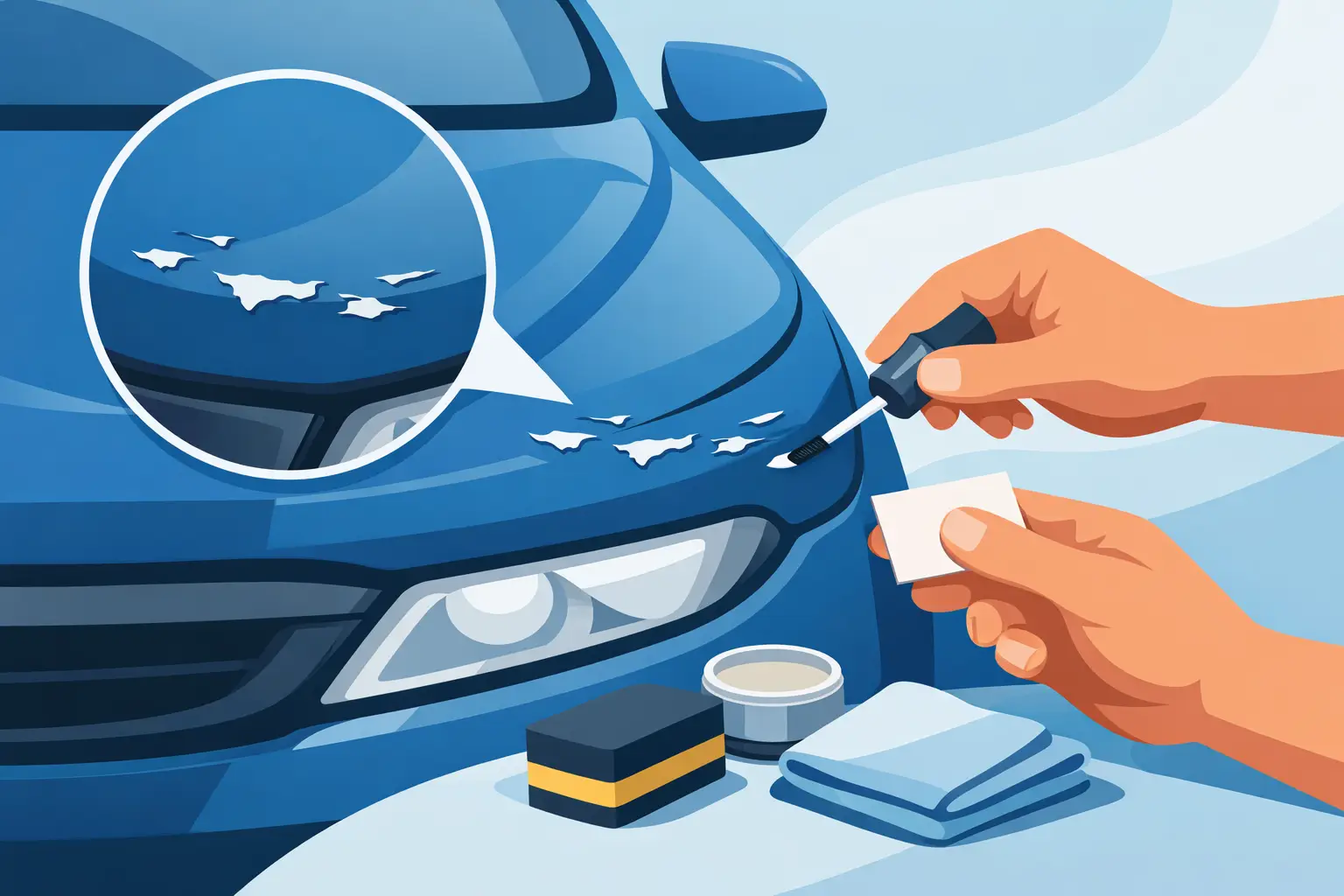
Small paint chips can often be touched up to seal the exposed area and improve its appearance. This is a practical choice on an older daily driver, especially where the priority is stopping corrosion rather than achieving an invisible repair.
A touch-up is less suitable when damage is on a highly visible panel, cuts through to metal, covers a larger area or includes dents and cracked paint. In those cases, a proper panel repair and refinish will usually deliver a better result and better protection. Your budget matters, but so does avoiding moisture getting underneath compromised paint.
If you are unsure, ask for a clear explanation of the repair options, what each will look like and what is included in the quote. Straight answers upfront make it easier to choose with confidence.
A vehicle does not need to be brand new to deserve careful workmanship. Fixing paint damage early, before chips become rust and small scrapes become bigger problems, is one of the smartest ways to protect its appearance, resale appeal and everyday pride of ownership.