That stone chip on the bonnet always looks smaller from a distance. Up close, it is all you can see. When you are weighing up touch up paint vs respray, the real question is not just price. It is whether the repair will actually look right, last properly, and protect the panel underneath.
For some marks, a tidy touch-up is the smart move. For others, anything short of a proper respray can leave the damage obvious, the colour uneven, or the paint vulnerable to peeling and rust later on. The best choice depends on the size of the damage, where it sits on the car, how fussy you are about the finish, and how long you want the repair to hold up.
Touch up paint vs respray: the basic difference
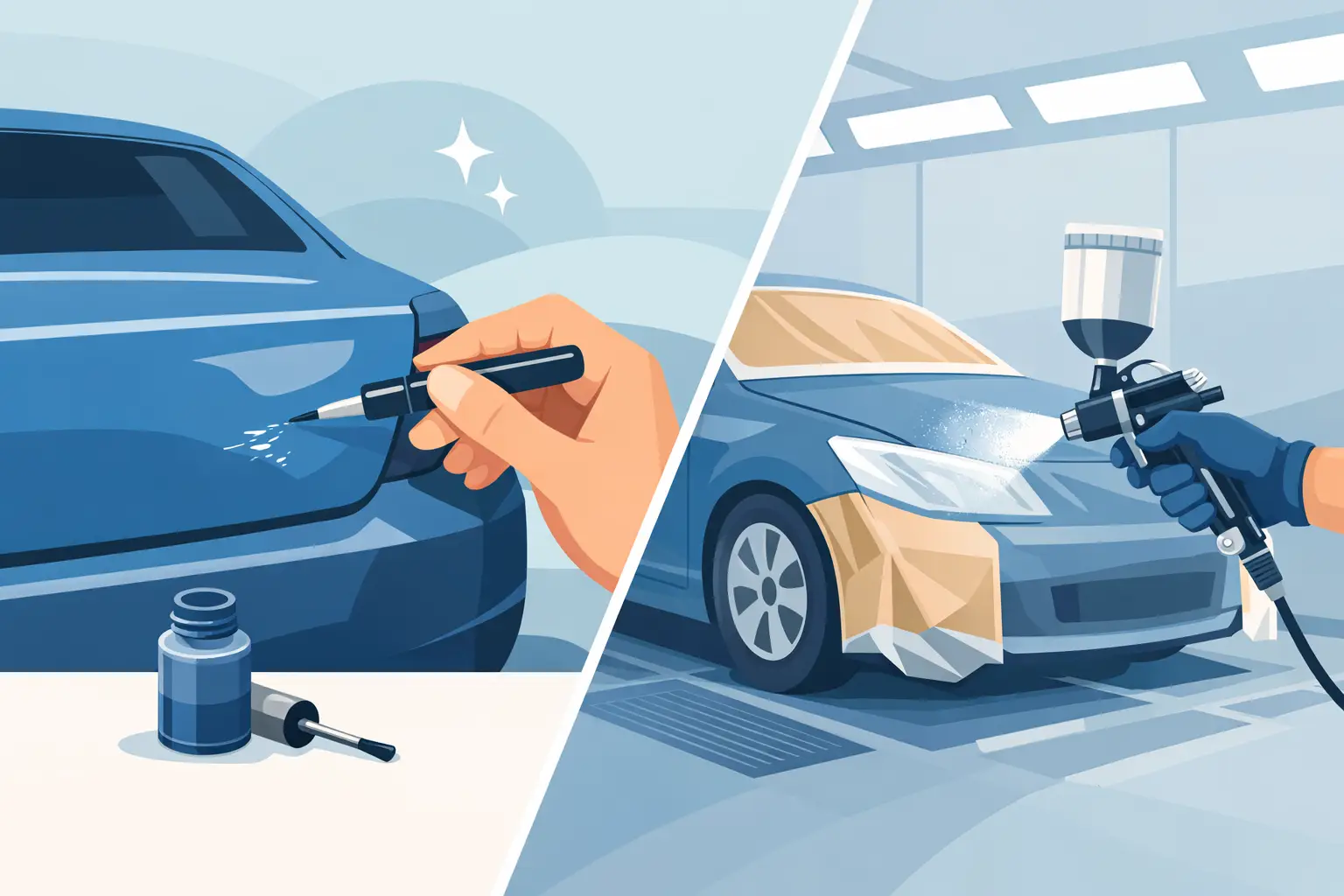
Touch up paint is a localised repair. It is used to cover small chips, light scratches, and minor paint breaks without repainting the full panel. The goal is to reduce the appearance of damage and seal exposed metal or primer before moisture gets in.
A respray is a larger refinishing job. Depending on the damage, that might mean repainting one panel, blending into nearby panels, or repainting several areas to restore an even finish. This is the better option when the damage is broader, deeper, more visible, or tied to panel repairs.
The simplest way to think about it is this: touch-up paint helps tidy small faults, while a respray restores the panel properly.
When touch-up paint makes sense
Touch-up paint is often the right call for fresh stone chips, tiny scratches, and small marks that have not spread. If the damage is limited and the surrounding paint is still in good condition, a careful touch-up can stop things getting worse without the cost of full repainting.
This is especially true in lower-visibility spots. A small chip near the lower part of a bumper or around the edge of a door might not justify repainting the whole section. If your main goal is protection rather than perfection, touch-up paint can be a practical fix.
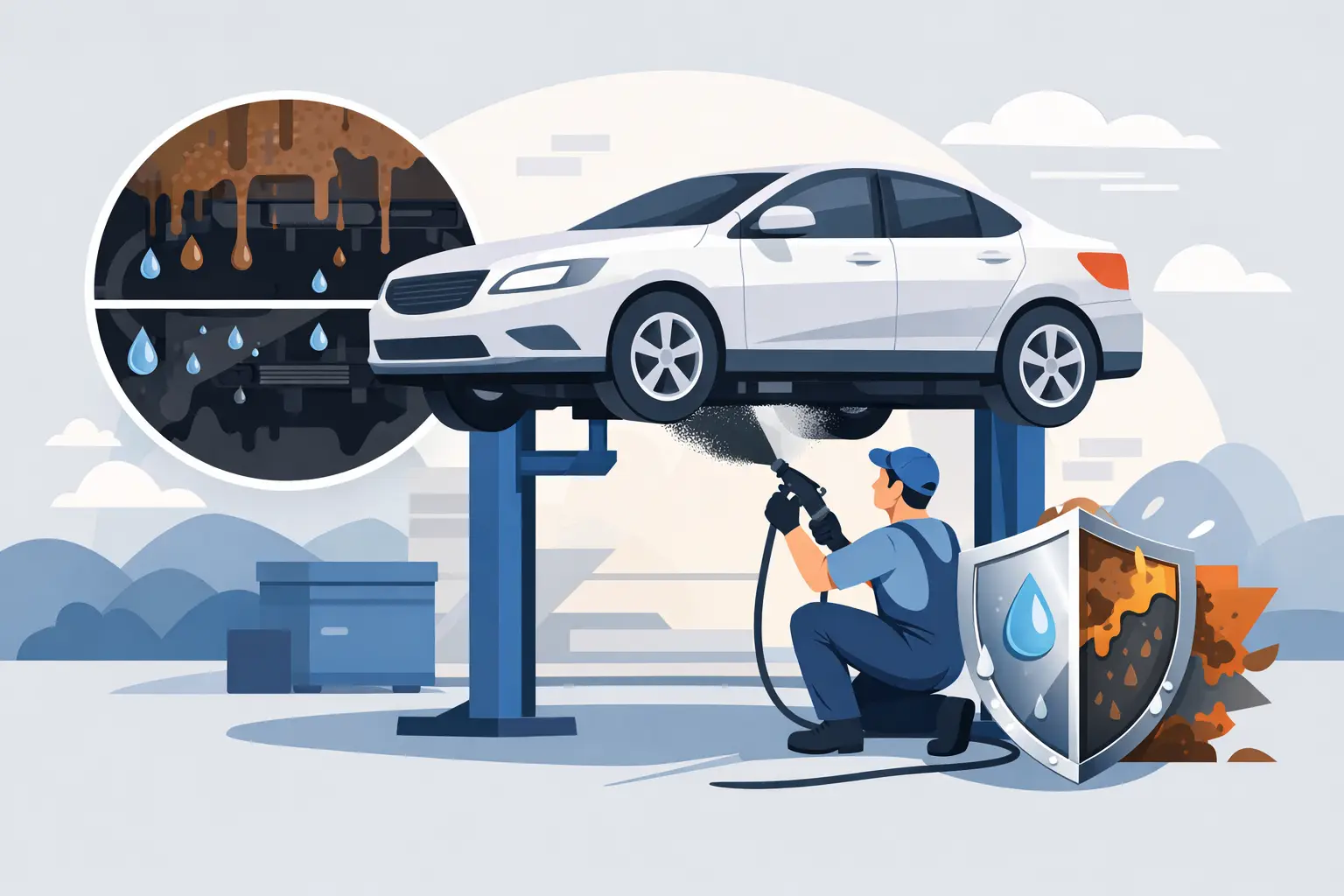
It is also useful as an early intervention. Once paint is broken, bare metal can start reacting to moisture and road grime. On an older daily driver, sealing that area quickly can prevent a minor blemish turning into a rust repair.
That said, touch-up paint has limits. Even when the colour match is good, the repaired spot can still catch the light differently from the factory finish. Metallics and pearls are especially tricky. You may improve the look a lot, but you are not always going to make the damage disappear.
Best cases for touch-up paint
Touch-up paint usually works well when the damage is smaller than a coin, has not dented the panel, and has not affected a large flat area where reflections make every flaw obvious. It suits owners who want a neat, cost-effective repair and understand that close-up visibility may remain.
When a respray is the better investment
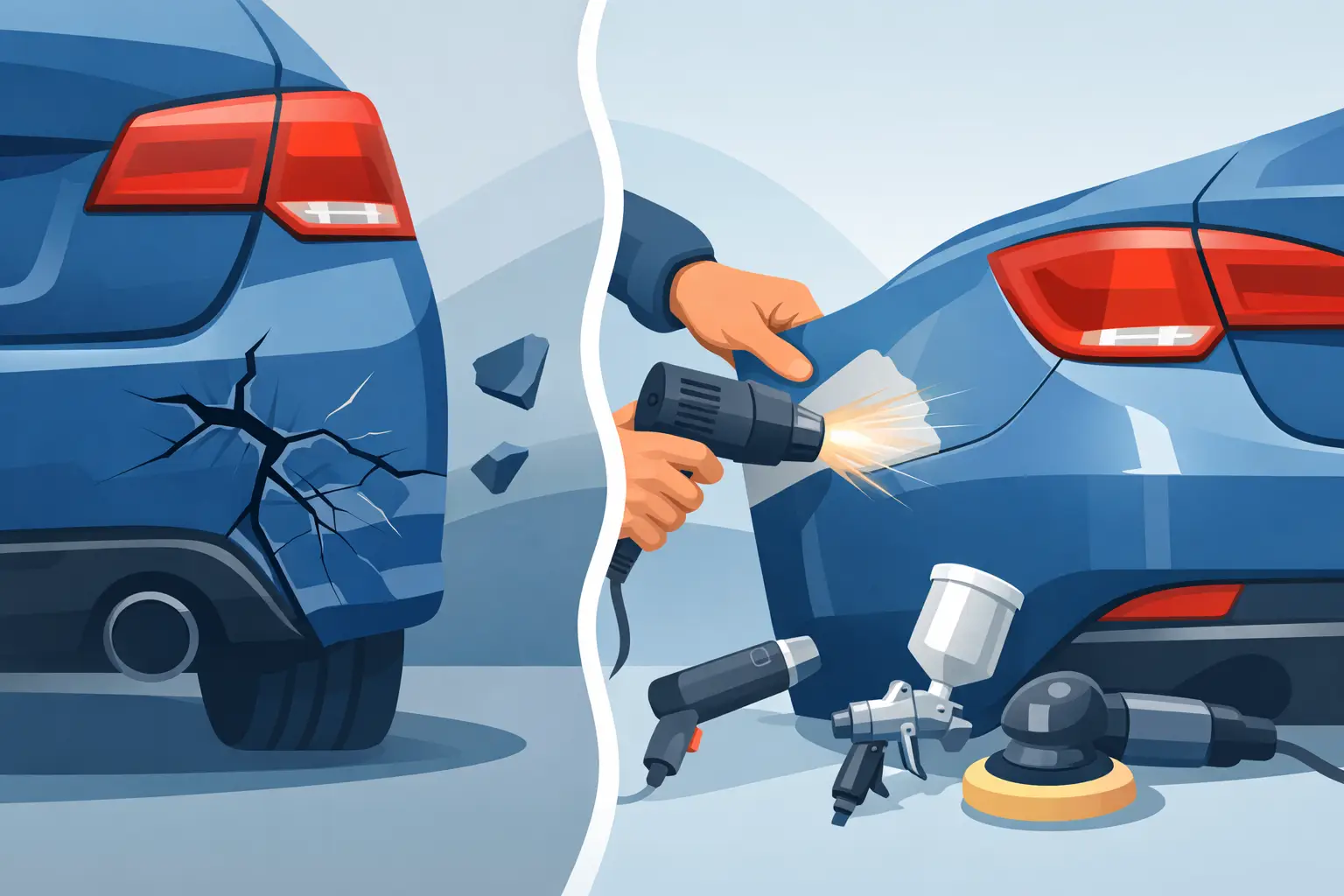
If the paint damage is larger, deeper, or spread across a visible panel, a respray is usually the better result and often the more honest solution. This applies to long scratches through the clear coat, peeling paint, faded sections, bumper scuffs, repaired dents, rust work, and accident damage.
A proper respray does more than add colour. The panel is prepared correctly, imperfections are addressed, suitable primer is used where needed, and the topcoat and clear coat are applied for an even finish. That process matters because good paintwork is all about prep. Without it, even the best colour match can fail.
Resprays also matter when appearance affects vehicle value. If you are planning to sell, a patchy touch-up on a highly visible area can stand out to buyers straight away. A professional respray gives you a much cleaner presentation.
For newer vehicles, respraying is often the only way to maintain the finish standard people expect. If the rest of the car is glossy and straight, one rough repair can drag the whole vehicle down.
Signs a touch-up will not cut it
If you can see primer, exposed metal, lifting edges, cracking, rust staining, or panel distortion, a simple dab of paint is unlikely to be enough. The same goes for damage across the middle of a bonnet, guard, or door where light hits hard and every mismatch shows.
The real trade-off: cost now vs result later
Most people start with price, which is fair enough. Touch-up paint is cheaper because it covers a smaller area and takes less labour. A respray costs more because the prep, masking, blending, and finishing work are far more involved.
But cheap and good value are not always the same thing. A low-cost touch-up on the wrong kind of damage can leave you paying twice if the area still bothers you or starts failing later. On the other hand, paying for a full respray when a small chip just needs sealing is unnecessary.
The smarter approach is to match the repair level to the damage. If the issue is minor, keep it minor. If the panel needs proper refinishing, doing it once and doing it right usually saves frustration.
Colour match is where many repairs win or lose
Vehicle paint is rarely as simple as one flat shade. Sun exposure, age, factory variation, and previous repairs all affect how a panel looks. That is why touch-up jobs can be hit and miss, even when the paint code is correct.
With a tiny chip, a slight difference may not matter much. With a larger mark, it stands out fast. Metallic silver, white pearl, red, and darker colours can all be difficult in different ways. Some show shade changes, while others show texture and gloss differences.
A respray gives a repairer more control over colour matching and blending. That is especially important when the damage sits next to an untouched panel. The goal is not just matching the tin. It is matching what your car actually looks like today.
Touch up paint vs respray for different types of damage
Stone chips on the front bumper or bonnet often suit touch-up work if they are small and isolated. If there are dozens of chips across the panel, though, the front end can start looking peppered. At that point, a respray usually gives a cleaner result.
Light scratches that have only marked the clear coat may not need either option straight away. Sometimes a buff and polish can improve them. But if the scratch has gone through the paint, a touch-up may suit a short mark, while a longer or deeper one often needs panel refinishing.
Bumper scuffs are a common grey area. Small corner scuffs can sometimes be localised, but bigger scrapes on painted plastic tend to look patchy if they are only touched up. Because bumpers are so visible, proper prep and repainting often pay off.
Rust is where people most often underestimate the job. If rust is already present, paint alone is not the repair. The corrosion needs to be removed and the area treated properly before repainting. Otherwise, the problem keeps growing underneath.
What to expect from a professional recommendation
A good repairer should not push a respray for every mark, and they should not promise miracles from touch-up paint either. You want clear advice based on the panel condition, paint type, damage depth, and your expectations.
That includes being upfront about visibility. Sometimes a touch-up is the best budget choice, but you should know before the work starts that it may still be noticeable up close. Likewise, if a respray is the only way to restore a panel properly, that should be explained in plain language.
At Fast Panel & Paint, that sort of honesty matters. Car owners want to know what they are paying for, what result to expect, and whether the finish will hold up. That is how trust is built.
So which one should you choose?
Choose touch-up paint if the damage is small, localised, and mainly cosmetic, or if your priority is sealing the area and tidying it up without spending big. Choose a respray if the panel is highly visible, the damage is broader or deeper, or you want a repair that restores the finish properly.
If you are stuck between the two, ask yourself one practical question: do you want the damage covered, or do you want the panel brought back to standard? That answer usually points you in the right direction.
The best paint repair is not always the biggest job. It is the one that suits the damage, respects your budget, and leaves you confident every time you walk back to your car in the car park.