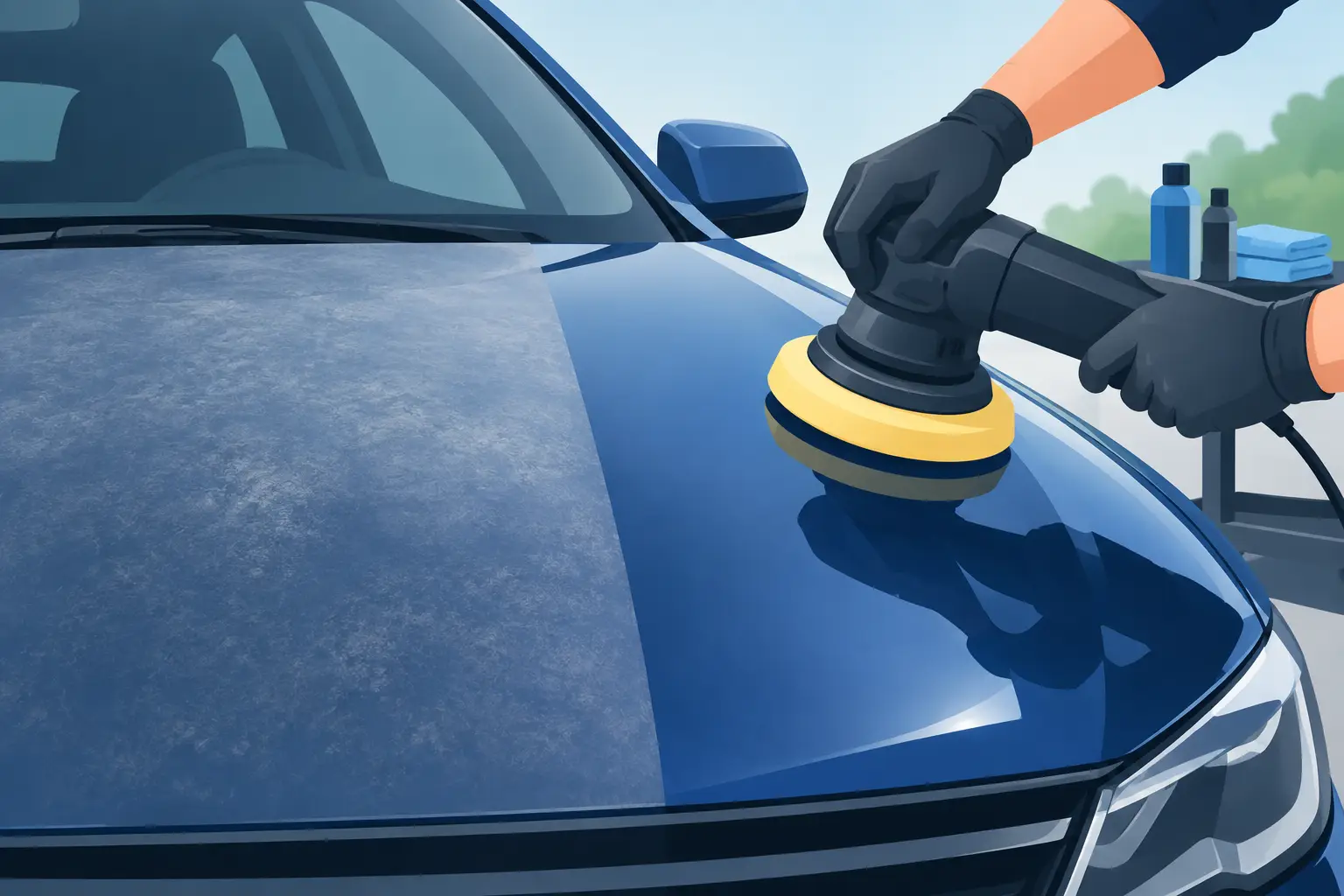
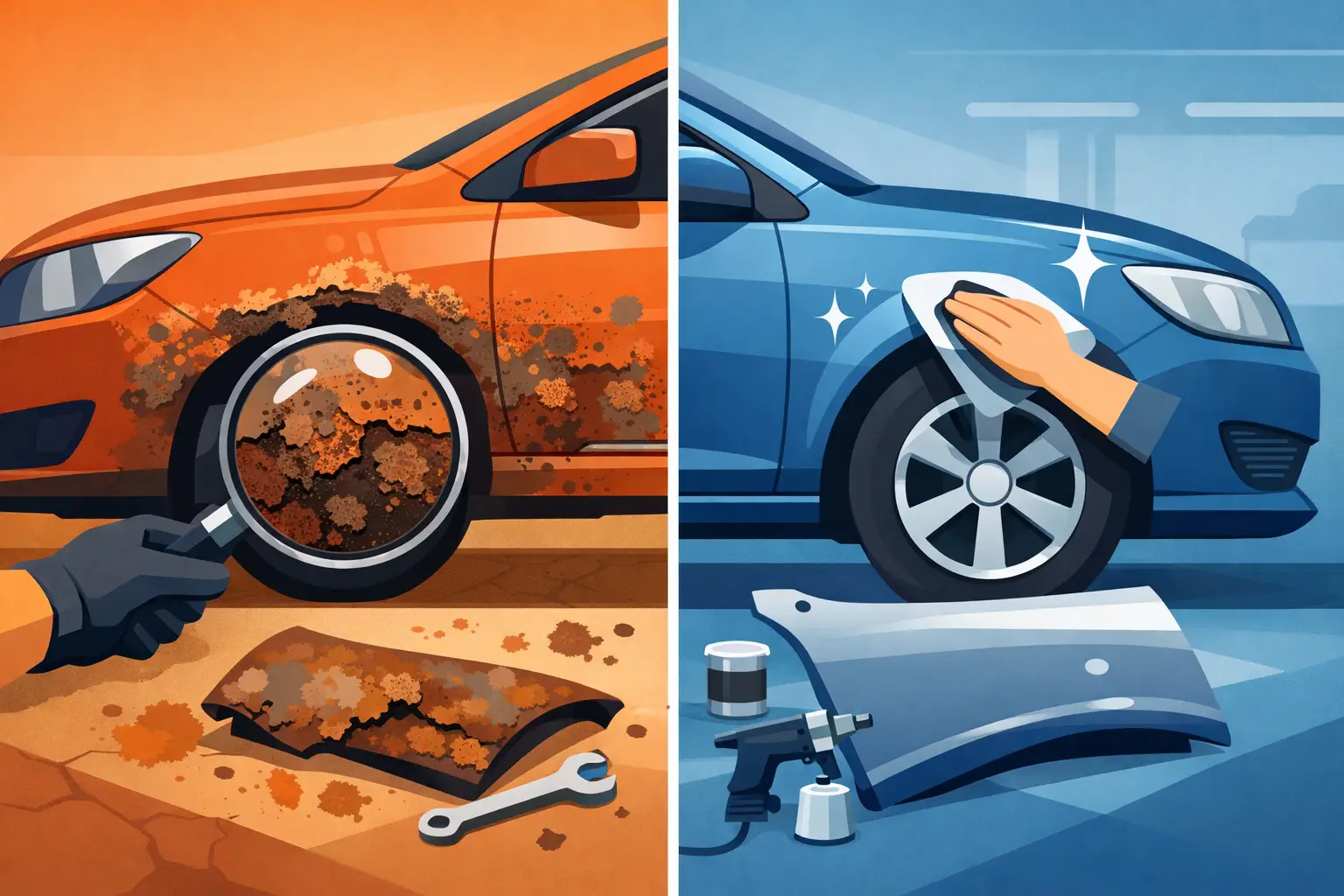
A fresh coat of paint can make a tired car look sharp again, but not every respray delivers the same result. What makes a quality respray is what happens long before the final clear coat goes on: careful repairs, thorough preparation, accurate colour work and the patience to let each stage be done properly.
For Manukau drivers, a respray is often about more than appearance. It may be the final step after accident damage, a way to stop rust spreading, or a chance to bring faded paint back to life before selling or keeping a vehicle long-term. A good job should look right on collection day and continue looking good after months of sun, rain, washing and everyday driving.
What Makes a Quality Respray?
A quality respray is not simply paint applied over an existing surface. It is a complete refinishing process that restores the panel underneath, creates a stable surface for the new coating and blends the finish so it suits the rest of the vehicle.
The visible result matters, of course. You want an even gloss, a clean colour match and no obvious signs that a panel has been painted. But durability matters just as much. Paint that looks great for a few weeks but chips, fades, peels or reveals old dents later is not quality workmanship.
The difference usually comes down to the workshop’s process, materials and standards. Fast work is valuable when your car is off the road, but cutting preparation time is never the right way to achieve it.
1. The Damage Is Repaired Before Painting Starts
Paint cannot hide poor panel work. A deep dent, bent edge, cracked bumper or previous repair needs to be properly assessed and repaired before any colour is applied. If the panel is not straight, the paint will simply highlight the distortion when sunlight hits it.
A quality repairer works from the panel outward. That can include panel beating, plastic welding, rust removal or carefully applying and shaping approved repair materials where needed. The surface should be smooth and true, with panel gaps and body lines sitting correctly before it moves into the paint stage.
This is particularly important after a collision. A bumper may look like a simple cosmetic fix, but the brackets, mounting points and adjacent panels can all affect how the finished repair sits. Quality is found in those details that are easy to miss until they are not right.
2. Preparation Is Thorough, Not Rushed
Preparation is the unglamorous part of a respray, but it is where the finish is won or lost. The damaged area needs to be cleaned, sanded, feathered and primed correctly so the new paint has a sound surface to bond to.
Old paint is not always removed entirely. Whether it should be sanded back, sealed or stripped depends on its condition, the type of repair and whether there are existing paint failures underneath. A good repairer will not paint over flaking clear coat, bubbling rust or unstable filler and hope for the best.
Masking also says a lot about the standard of the job. Clean masking protects trims, glass, lights, tyres and surrounding panels from overspray. Once the job is complete, there should not be rough paint residue on rubber seals, door shuts or areas that were never meant to be painted.
3. The Colour Match Is Checked Properly
Even when you provide the manufacturer’s paint code, a perfect match is not guaranteed. Factory colours vary between production batches, and your vehicle’s existing paint may have changed slightly through UV exposure, weather and age. Whites, silvers, greys, reds and metallic colours can all show variation.
A quality respray involves checking the colour against the car itself, not relying blindly on a formula. The painter may use colour cards, spray-out test panels or tint adjustments to get the closest possible match. On many repairs, the colour is blended into the adjoining panel rather than stopped at the repair edge. This helps the transition disappear under normal viewing conditions.
Blending is not always necessary for every small repair, and it can add labour and materials. Still, it is often the better choice where colour variation would otherwise be visible. An honest quote should explain that trade-off clearly rather than promising an unrealistic result.
4. The Paint System Is Built in the Right Layers
Modern automotive paintwork is a system, not a single product. Depending on the job, it can include an etch or epoxy primer, high-build primer, sealer, basecoat and clear coat. Each layer has a specific purpose, from corrosion protection and adhesion through to colour, gloss and UV resistance.
Using compatible, quality materials matters. OEM-approved or professional-grade paint systems are designed to work together when applied at the correct film thickness and allowed to cure as specified. Cheaper materials can be tempting on a budget job, but they may compromise colour consistency, durability or warranty support.
The clear coat deserves particular attention. It provides the depth and shine people notice, but it also protects the colour coat beneath from sunlight, moisture and minor wear. A good clear coat, applied evenly and cured correctly, makes a real difference to how the vehicle holds up over time.
5. The Finish Is Even in Different Light
Workshop lighting can make almost any paint job look impressive. The real test is how it appears outside, in direct sun, shade and at different angles. A quality respray should have an even gloss and colour without patchiness, dry spray or cloudy areas.
Look along the length of the panel rather than standing directly in front of it. This angle makes ripples, uneven repairs and paint texture easier to see. The reflection should look smooth and consistent, not wavy or distorted.
Some texture in paint, often called orange peel, can exist even in factory finishes. The goal is not always a mirror-flat surface that looks unlike the rest of the car. The goal is a finish that is clean, consistent and appropriate for the vehicle. If a panel has been painted next to an untouched factory panel, the two should sit naturally together.
6. There Are No Obvious Defects or Shortcuts
Before collecting your vehicle, take a few minutes to inspect it in daylight if possible. You do not need to be a paint expert to spot obvious issues. Check the repaired area, then look at the nearby panels, trims and door edges.
Signs worth raising include runs in the paint, dust trapped under the clear coat, pinholes, rough edges, overspray, poor masking lines, missed clips or loose trim. Also check that lights, sensors, badges and number plates are fitted correctly where they were removed for the repair.
A professional workshop carries out quality checks before handover, but good customer service means being willing to walk you through the work as well. Clear communication builds confidence, especially when an insurance repair or larger collision job has involved several stages.
7. Rust Has Been Treated at the Source
A respray over rust is not a repair. If corrosion is left active beneath fresh paint, it will usually return, often more noticeably than before. Surface rust may be addressed through proper removal and treatment, while more advanced rust can require cutting out damaged metal and carrying out a sound repair.
The right approach depends on where the rust is and how far it has spread. Lower doors, wheel arches, sills and areas around windscreens are common trouble spots. A proper assessment should be upfront about what is visible, what may be hidden and what is needed for a lasting result.
Undercoating and cavity protection can also be worthwhile after rust-related work, particularly on vehicles that face wet roads, coastal air or regular outdoor parking. Paint protects what you can see; corrosion prevention needs to protect the areas you cannot.
8. The Workshop Stands Behind the Work
A quality respray includes a quality customer experience. You should receive a clear explanation of the work, realistic timing and an honest quote that separates necessary repairs from optional cosmetic improvements. If extra damage is uncovered after stripping or sanding, you should be told before additional work goes ahead.
Fast Panel & Paint approaches refinishing as a restoration job, not a quick cover-up. That means matching the repair method to the vehicle’s condition, using proven materials and keeping customers informed from quote through to handover.
Price still matters, especially when you are balancing repair costs with the value of the car. The lowest quote can be suitable for a small touch-up or a vehicle nearing the end of its life, but it may not include the preparation, blending or rust treatment needed for a lasting finish. Ask what is included, how adjoining panels will be handled and what result is realistic for your budget.
A respray should leave you proud to see your car in the driveway again. Choose a repairer who is willing to explain the process, show care in the details and treat your vehicle like it is worth restoring properly.