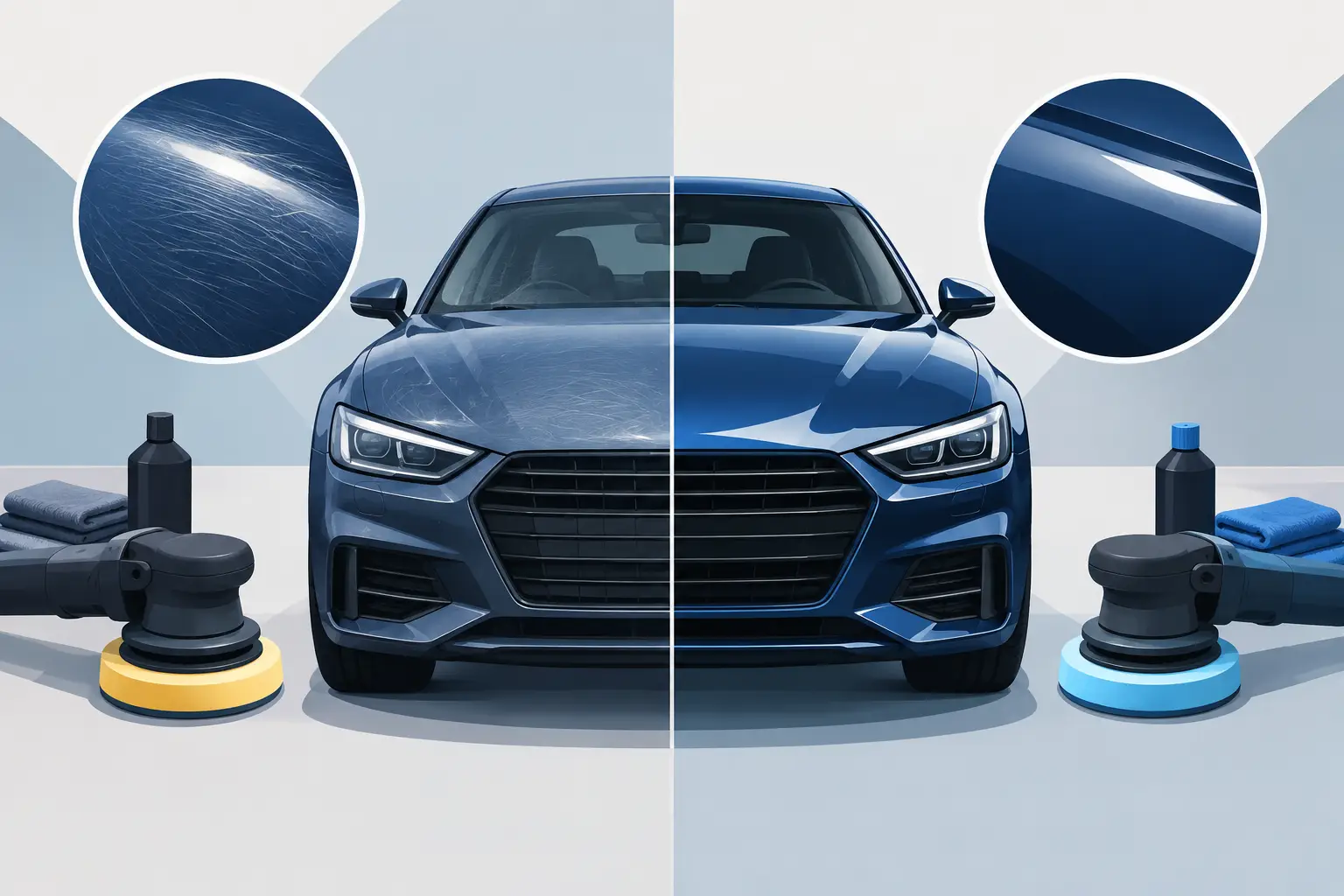
A clean car can still look tired under direct sunlight. Fine swirl marks, hazy paint, water spots and random scratches all catch the light, making even a well-kept vehicle lose its depth and shine. A professional car paint correction service is designed to deal with those defects properly, restoring clarity to the paint rather than simply hiding the problem under a quick polish.
For Manukau drivers, that can make a real difference. Whether it is the family SUV, a work ute or the car you are planning to sell, quality paintwork protects the pride you take in your vehicle and helps it present at its best.
What a car paint correction service actually does
Paint correction is a controlled polishing process that removes or reduces defects in the clear coat, which is the transparent protective layer over your vehicle’s colour. It is not the same as a standard wash and wax, and it is not just about making the paint look glossy for a weekend.
A skilled technician assesses the condition of the paint, identifies the type and depth of the defects, then uses the right combination of machine polishers, pads and compounds to level the surface carefully. The goal is to remove a very fine amount of damaged clear coat so light reflects evenly again. That is what creates a sharp, deep finish rather than the cloudy look caused by swirls.
Common issues a correction can improve include light scratches from washing, circular swirl marks, oxidation, dull patches, bird-dropping etching, water spotting and paint transfer from minor contact. It can also bring uneven-looking panels closer in appearance after touch-ups or previous repair work.
The result should look clean, smooth and honest. Good correction work does not rely on heavy fillers that wash away after a few cleans. It corrects what can safely be corrected, then protects the finish for the road ahead.
Not every mark can be polished out
This is where an honest assessment matters. Paint correction is highly effective on surface-level defects, but it cannot repair every scratch or paint issue.
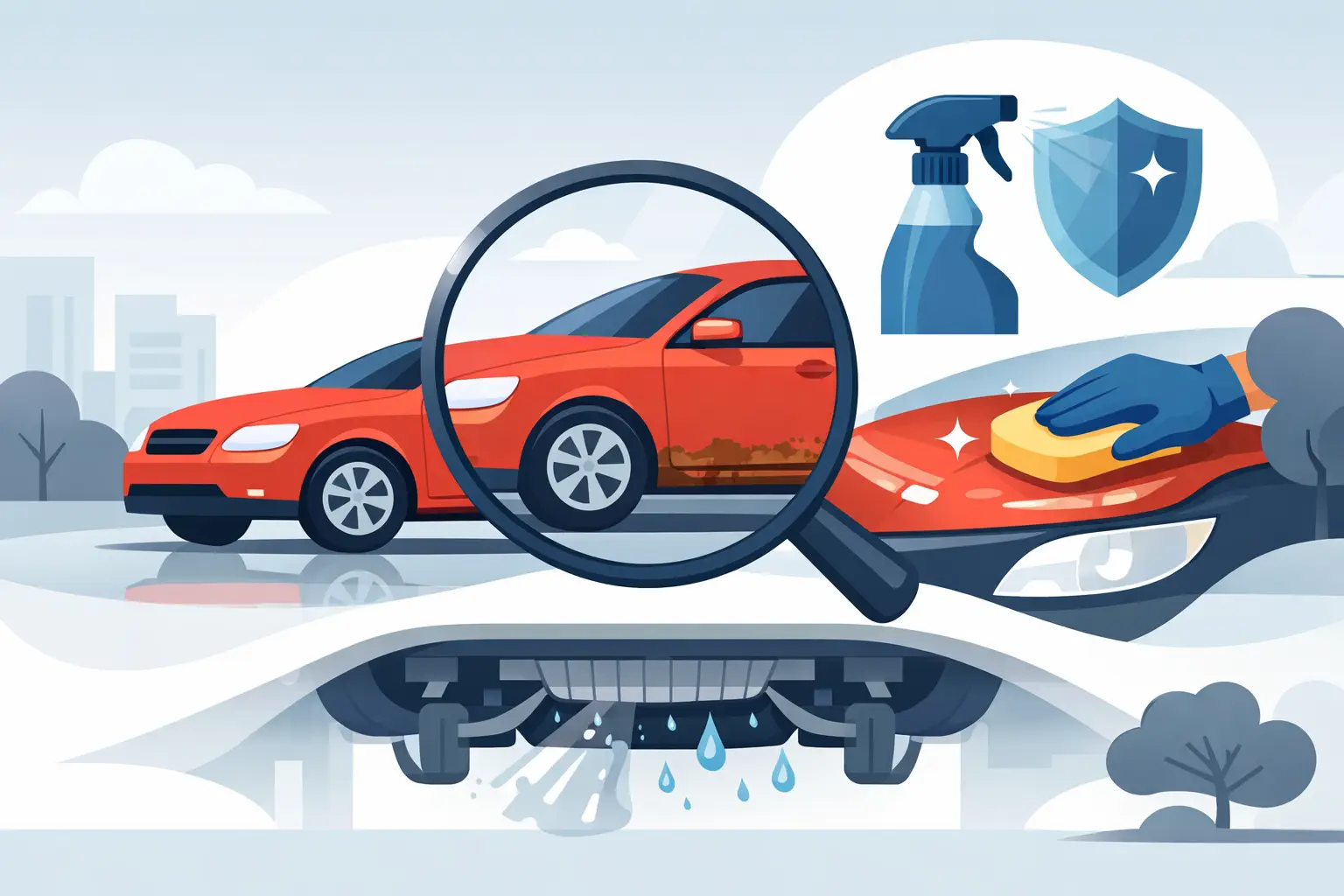
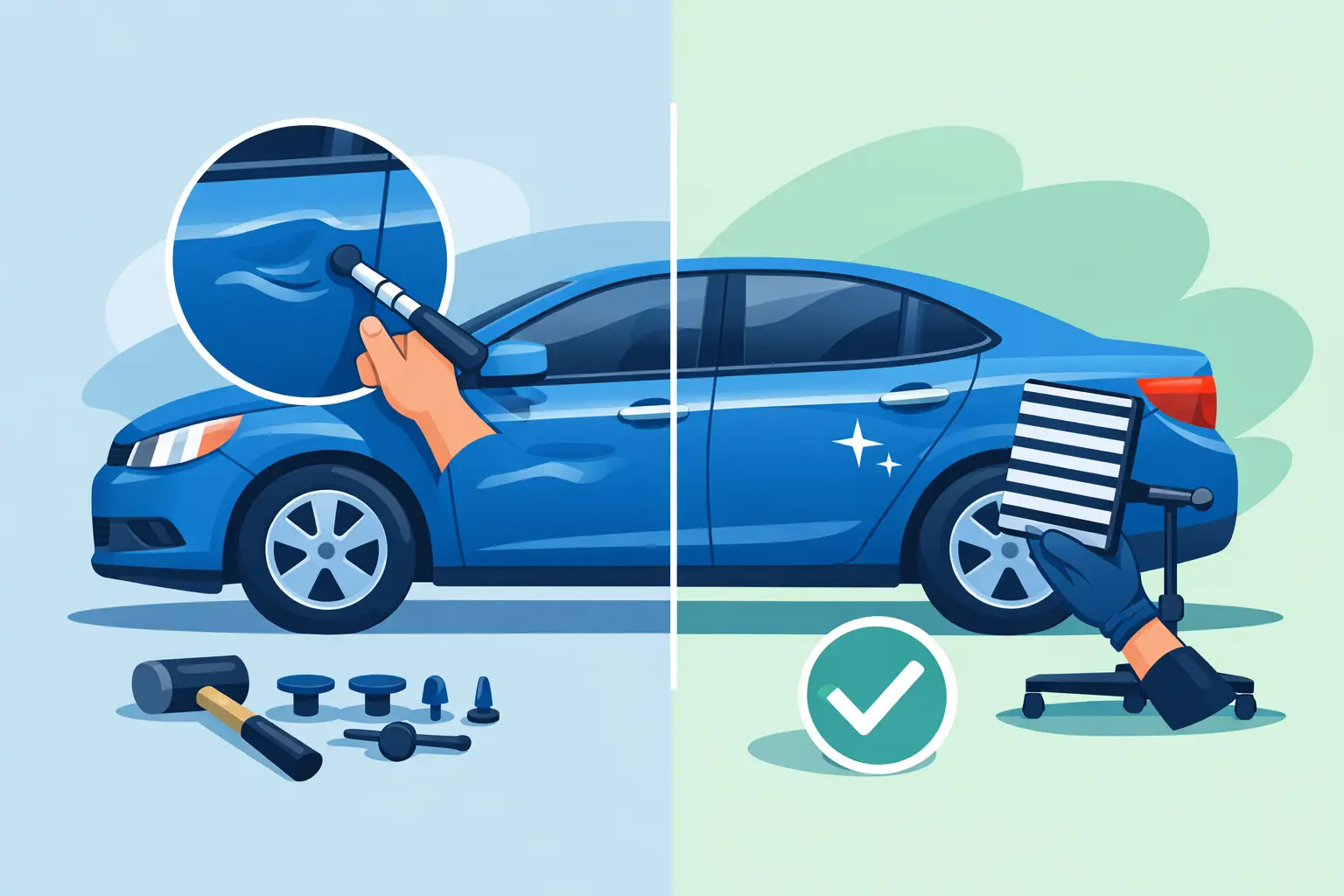
If a scratch has gone through the clear coat and into the colour layer, polishing will not make it disappear completely. The same applies where paint has chipped away, where there is dent damage, or where rust is beginning beneath the surface. These problems need the right repair first, whether that means touch-up work, panel repair, rust treatment or repainting.
There is also a limit to how much clear coat can safely be removed. Aggressive polishing may look tempting when defects are severe, but taking too much material off can compromise the paint’s long-term durability. A professional will balance improvement with preservation, particularly on older vehicles, repaint work and panels with unknown paint thickness.
That is why the best result is not always “perfect at any cost”. It is a finish that looks dramatically better while still protecting your car properly.
When paint correction is worth booking
Paint correction is often worth considering when the vehicle is mechanically sound but its appearance no longer matches the care you put into it. Sunlight is usually the giveaway. If you can see spiderweb-like marks across the bonnet, roof or doors, or the paint looks flat even after washing, correction may be the right next step.
It is also a smart option before selling a car. Presentation affects first impressions, and a glossy, well-maintained exterior can make a vehicle feel better looked after. It will not turn a high-kilometre car into a brand-new one, but it can help buyers see its true condition rather than being distracted by cosmetic wear.
Owners of darker vehicles often see the biggest visual change because black, dark blue and charcoal paint show swirls quickly. White and silver cars benefit too, although the improvement may be more noticeable in smoothness, reflection and colour clarity than in dramatic contrast.
A correction service can also be worthwhile after body repairs or paintwork have been completed. Once repaired areas have fully cured, refining surrounding panels can help the vehicle look more consistent overall. The exact approach depends on the repair, paint type and age of the existing finish.
The difference between a quick polish and proper correction
A quick polish can add temporary gloss and improve a few light marks. There is nothing wrong with that when a vehicle simply needs a refresh. However, it is usually a lighter process with limited defect removal.
Proper correction takes more time because the finish is inspected, prepared and refined in stages. The car needs a thorough wash and decontamination first, as dirt, road film and bonded contaminants can interfere with polishing and cause further marks. Sensitive trim, badges and edges are protected before machine work begins.
Depending on the paint condition, a technician may use a cutting stage to reduce heavier defects, followed by a refining stage that restores clarity and gloss. Softer paint can correct quickly but may mark easily. Harder paint can be more durable but requires more time and the right products to achieve a clean finish. There is no one-size-fits-all formula.
That extra care is why a professional result looks different in the sun, not just under workshop lights.
What affects the cost and turnaround time?
The condition of the paint is the biggest factor. A newer vehicle with light wash swirls may need a single-stage enhancement, while an older car with heavy scratches, oxidation and neglected paint may require multi-stage correction. Vehicle size matters too. Correcting a compact hatch is not the same job as correcting a large SUV, van or dual-cab ute.
Previous paint repairs can also affect the process. Repainted panels may have different clear coat hardness to factory paint, and poorly completed repairs need careful handling. A reputable workshop should inspect the vehicle before promising a result or quoting a fixed price.
It is worth being cautious of very cheap offers that promise a full correction in only a few hours. Preparation and controlled polishing take time. Fast work can leave behind missed defects, polishing haze, damaged trim or uneven results. A clear quote should explain the level of correction being recommended and what result you can reasonably expect.
At Fast Panel & Paint, the focus is on matching the right solution to the vehicle, not selling more work than the paint needs. If a light enhancement will give you the result you want, that should be discussed. If scratches need touch-up or panel repairs before polishing, you should know that upfront too.
Protecting the finish after correction
Once the paint has been corrected, protecting it is the part that keeps the result looking good. A quality wax, sealant or ceramic-style coating can add gloss, make washing easier and provide a barrier against everyday grime. The best choice depends on how the vehicle is used, where it is parked and how much maintenance you want to do.
Protection does not make paint invincible. Stone chips, supermarket car park knocks, harsh chemicals and automatic brush washes can still damage it. But it gives the finish a better chance against regular road contamination, UV exposure and water spotting.
Your washing habits matter just as much. Use a clean wash mitt, rinse loose dirt away before touching the paint, and avoid washing with old rags or dirty sponges. Dry with a clean microfibre towel rather than letting mineral-rich water sit and spot in the sun. If you regularly use an automatic brush wash, expect swirl marks to return sooner.
Questions to ask before booking
Before approving any paint correction work, ask what level of improvement is realistic for your vehicle. A good workshop will explain whether the defects are in the clear coat, whether any marks are too deep to remove safely, and whether repairs are needed before polishing.
Ask what preparation is included, what protection will be applied afterwards, and how to care for the car once you take it home. You should also be clear about turnaround time, especially if the vehicle is needed for school runs, work or weekend travel.
The right service should feel straightforward. You bring in a car with tired, marked or dull paint, receive a clear explanation of the options, and leave knowing exactly what has been done and how to maintain it.
A well-corrected finish is not about chasing perfection under a magnifying light. It is about stepping back in the driveway, seeing clean reflections across the panels, and feeling proud to drive your car again.