A car can be mechanically sound yet still look tired every time the sun hits the bonnet. Fine swirl marks, dull patches, light scratches and faded gloss can make a well-loved vehicle appear older than it is. When comparing paint correction vs polishing, the right choice comes down to what is happening in the paint itself, not simply how much shine you want.
A good polish can make a major difference to a vehicle’s appearance. Paint correction goes further, targeting visible defects to restore clarity and depth in the finish. Both services have their place, but they are not interchangeable – and choosing the wrong one can leave you disappointed or, worse, remove more clear coat than necessary.
Paint Correction vs Polishing: The Main Difference
Polishing is generally a refinement process. It uses a polishing compound and machine pad to improve gloss, remove very light surface marks and make paint look cleaner and more even. Depending on the product and method used, it may also remove a small amount of paint or clear coat.
Paint correction is a more measured, defect-removal process. Before work begins, the paint is assessed for its condition and, where needed, its thickness. The technician then uses the right combination of compounds, pads and machine techniques to safely level out imperfections in the clear coat. The aim is not to hide scratches with a temporary glaze. It is to reduce or remove the defects that are making the surface look dull, hazy or scratched.
Put simply, polishing improves the finish. Paint correction restores it as far as the paint condition safely allows.
What Polishing Can Fix
A professional polish is often the right option for cars with light wear rather than serious paint defects. It is a sensible choice after minor cosmetic work, before selling a vehicle, or when the paint looks flat but is otherwise in reasonable shape.
Polishing can improve light wash marks, mild oxidation, faint scuffs, water spotting and a general lack of gloss. It can also bring fresh depth to a dark-coloured car that has lost its crisp reflection after years of daily driving.
The result can be dramatic, especially on paint that has been neglected. But a polish has limits. Deep scratches, heavy swirling, sanding marks, bird-dropping etching and serious oxidation may still be visible afterwards. In those cases, asking for a quick polish when the vehicle needs correction is like washing a scratched window and expecting the scratches to disappear.
There is also a difference between a professional machine polish and a hand-applied product from the shelf. Some consumer polishes contain fillers that mask fine marks for a short period. Once the vehicle is washed a few times, the original defects can show through again. A workshop polish is chosen for the paint condition and applied with controlled equipment, which delivers a more consistent finish.
What Paint Correction Can Fix
Paint correction is designed for paintwork with noticeable visual defects. It is commonly requested after years of automatic car washes, poor washing technique, roadside parking, tree sap, harsh weather and general commuter use.
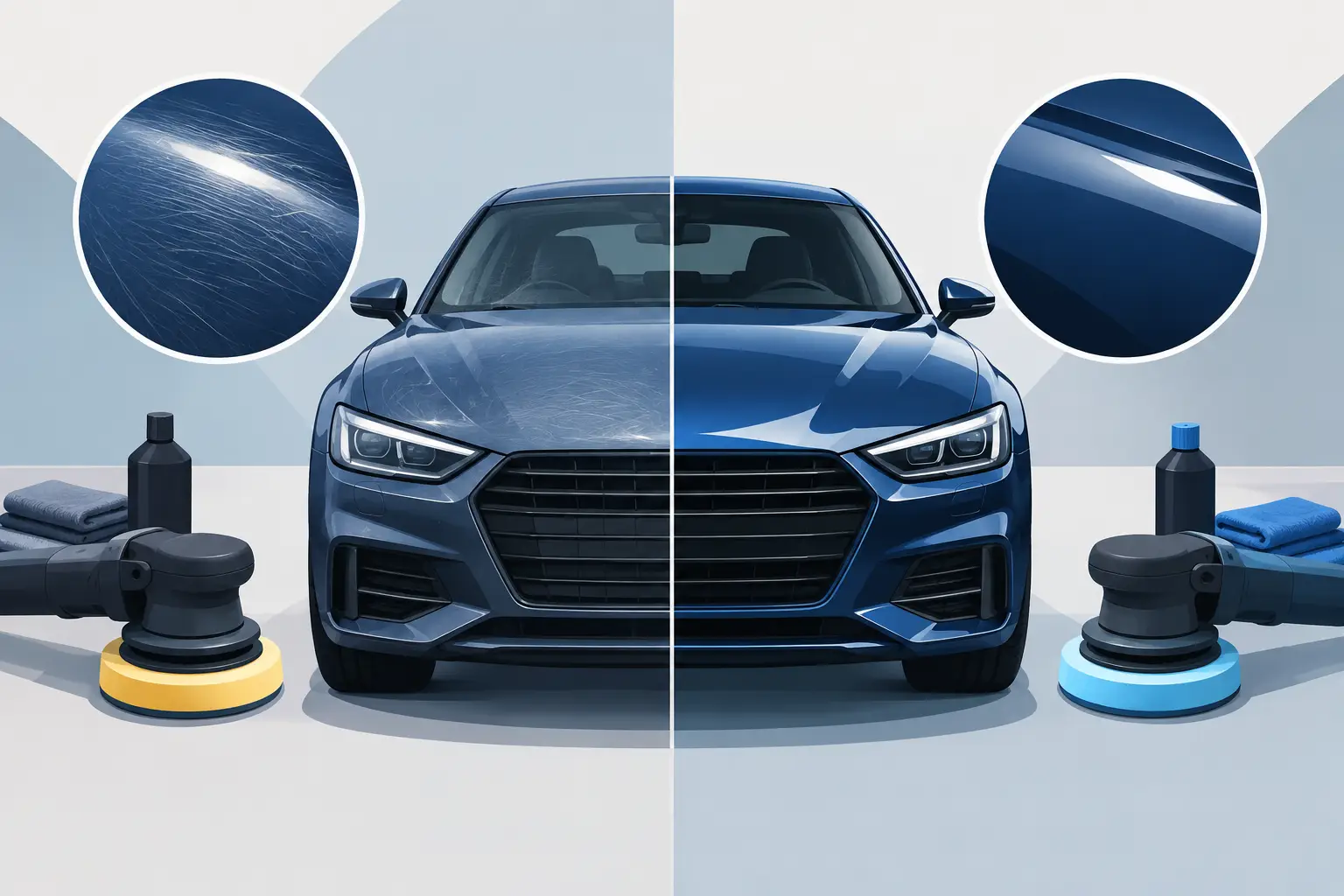
A correction process may reduce or remove light-to-moderate swirl marks, machine holograms, fine scratches, oxidation, dullness and uneven gloss. It can bring clarity back to the clear coat so reflections look sharper and the colour looks richer.
On a black car, for example, swirls can make the paint look grey or cloudy in direct sunlight. A carefully completed correction can transform that hazy appearance into a cleaner, deeper finish. On lighter colours, the change may be less obvious from a distance, but the paint will still look brighter and smoother up close.
The key word is safely. Clear coat is not unlimited. Every corrective step removes a minute amount of material, so an experienced technician will work only as far as the paint can handle. A one-stage correction may be enough for moderate defects, while more heavily marked paint may need several stages. More stages can improve the result, but they take longer and are not always the best value for every car.
Some Damage Cannot Be Polished Out
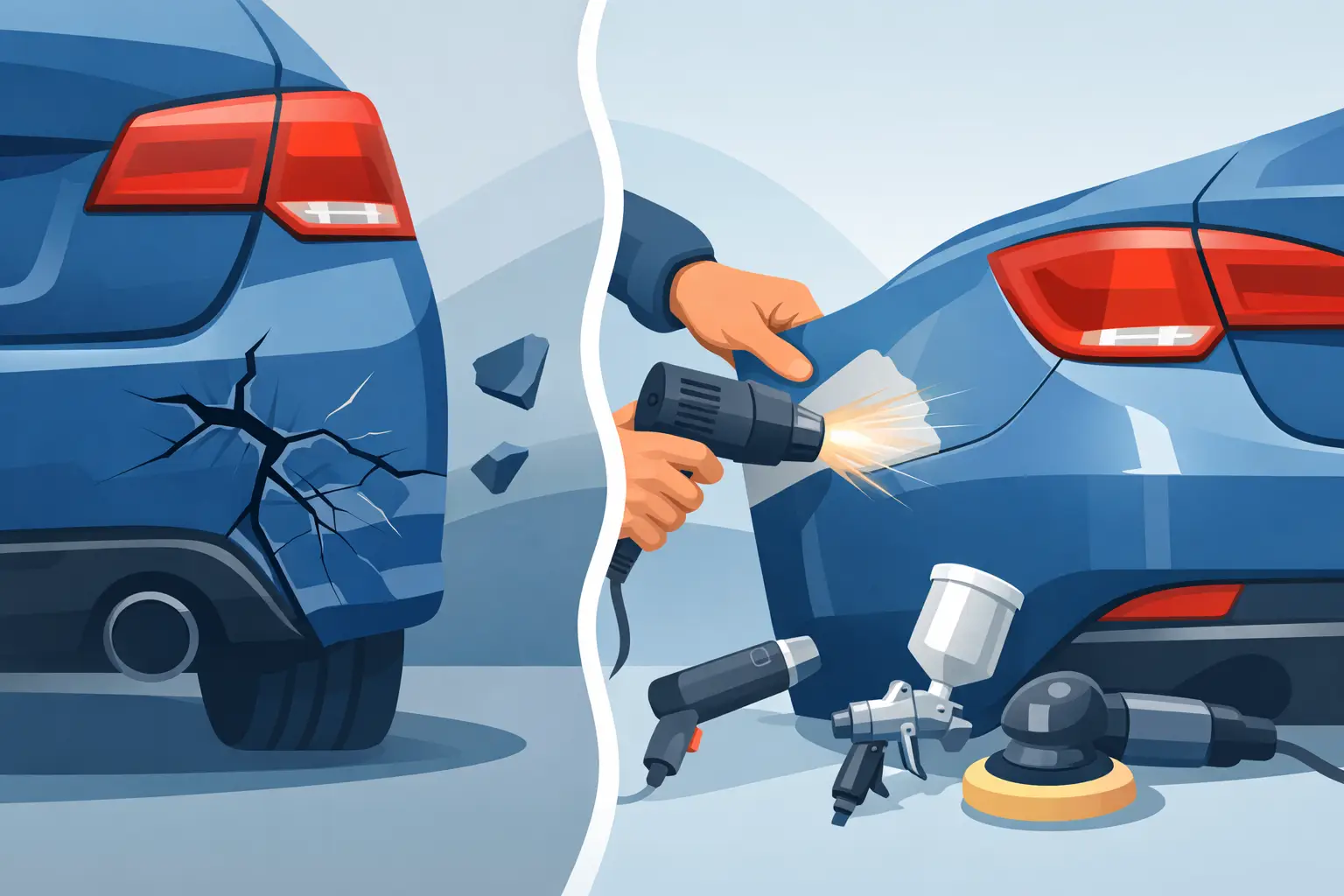
This is where honest advice matters. A scratch that catches your fingernail has often gone through the clear coat and may have reached the colour coat or primer. Correction may soften its edges and make it less noticeable, but it cannot rebuild missing paint.
Likewise, peeling clear coat, stone chips, rust bubbles, cracked paint and damage from a collision need repair and refinishing, not polishing. Trying to aggressively cut damaged paint can make the problem worse.
If rust is starting around a wheel arch, door edge or windscreen area, it needs to be dealt with properly before it spreads beneath the paint. If a bumper has scuffs, a panel has a crease, or the paint has been scraped through to the undercoat, the proper solution could involve panel repairs, paint touch-ups or repainting the affected area.
At Fast Panel & Paint, the focus is on choosing the repair that will last and look right – not selling a polish for damage that really needs paintwork.
How a Professional Finish Is Achieved
The visible polishing stage is only one part of the job. For paint correction to look clean and stay that way, preparation matters.
The vehicle is first washed and decontaminated to remove road film, brake dust, tree residue and bonded contaminants. If those particles are left on the surface, they can interfere with the polishing process or create further marks. Areas such as trims, badges and sharp panel edges are protected before machine work starts.
The paint is then inspected under proper lighting. This is vital because defects that disappear in a shaded workshop often show up clearly in sunlight. A technician tests a small section first to find the least aggressive combination that achieves a worthwhile improvement.
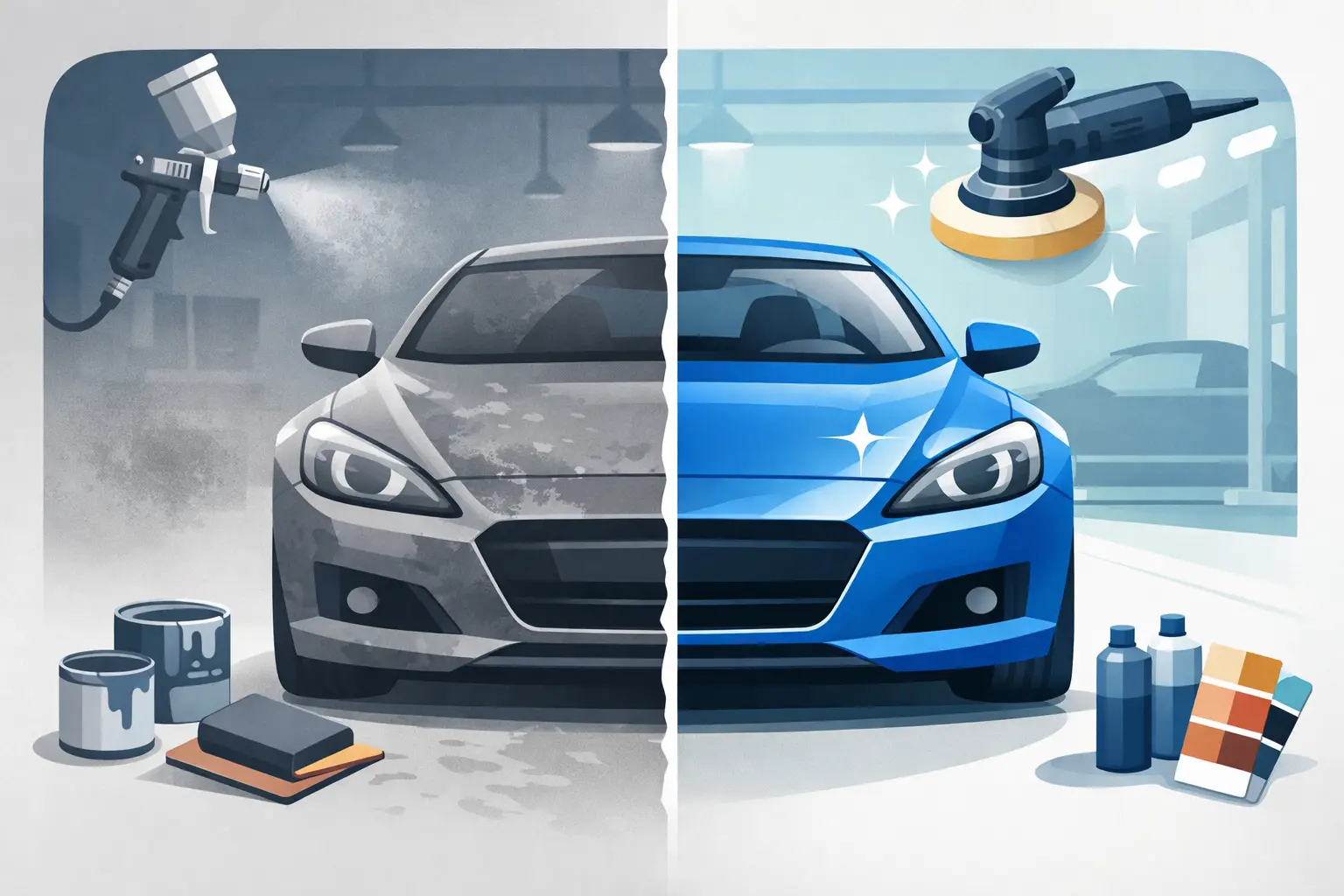
After correction or polishing, the paint is refined to enhance gloss and remove any haze left by heavier compounds. The finish is then cleaned and protected with a suitable paint protection product. This does not make the paint scratch-proof, but it helps repel grime, improves water behaviour and makes future washing easier.
Which Service Is Right for Your Vehicle?
If the car has a few light marks and you want it looking fresher for daily use, a professional polish may be all it needs. It is generally quicker and more cost-effective than a full correction, while still giving the paint a noticeable lift.
Paint correction is usually the better choice if swirls are obvious in the sun, the paint lacks depth, previous detailing has left holograms, or you want the best possible appearance before applying longer-term protection. It also makes sense for enthusiast-owned vehicles, newer cars that have been poorly washed, and vehicles being prepared for sale where presentation can influence buyer confidence.
It depends on the vehicle’s age, paint thickness, colour, previous repair history and your expectations. A family SUV that sees school runs and supermarket car parks may not need a multi-stage correction. A dark-coloured ute that is otherwise immaculate may be worth the extra work because every swirl is visible.
The best approach is to be clear about the result you want. Do you want a tidy, glossy daily driver? Are you preparing the vehicle for sale? Or do you want to bring the paint as close as possible to a showroom-level finish? Those answers guide the right service and help avoid unnecessary cost.
Protecting the Result Afterward
Whether you choose correction or polishing, the way you wash your car afterward has a direct impact on how long the finish stays sharp. Avoid rough brushes, dirty sponges and automatic washes that can quickly put fresh swirls back into the paint.
Use clean wash equipment, rinse loose grit off first, and dry the vehicle with a quality microfibre towel rather than letting water spots bake on in the sun. Regular washing also helps remove bird droppings, bug residue and tree sap before they have time to mark the clear coat.
A polished or corrected finish is worth protecting because it makes every panel look better, from the roof to the boot lid. The right treatment is not always the biggest one. It is the one that gives your vehicle an honest, lasting improvement and makes you proud to look back at it after parking.