A proper before and after car respray is about far more than making dull paint look shiny again. The visible transformation can be dramatic, but the result only lasts when the surface underneath has been repaired, prepared and painted with care. Whether your vehicle has faded in the sun, picked up car park scrapes, developed rust bubbles or suffered collision damage, the quality of the work before colour goes on determines what you see after it leaves the workshop.
Before and after car respray: what really changes?
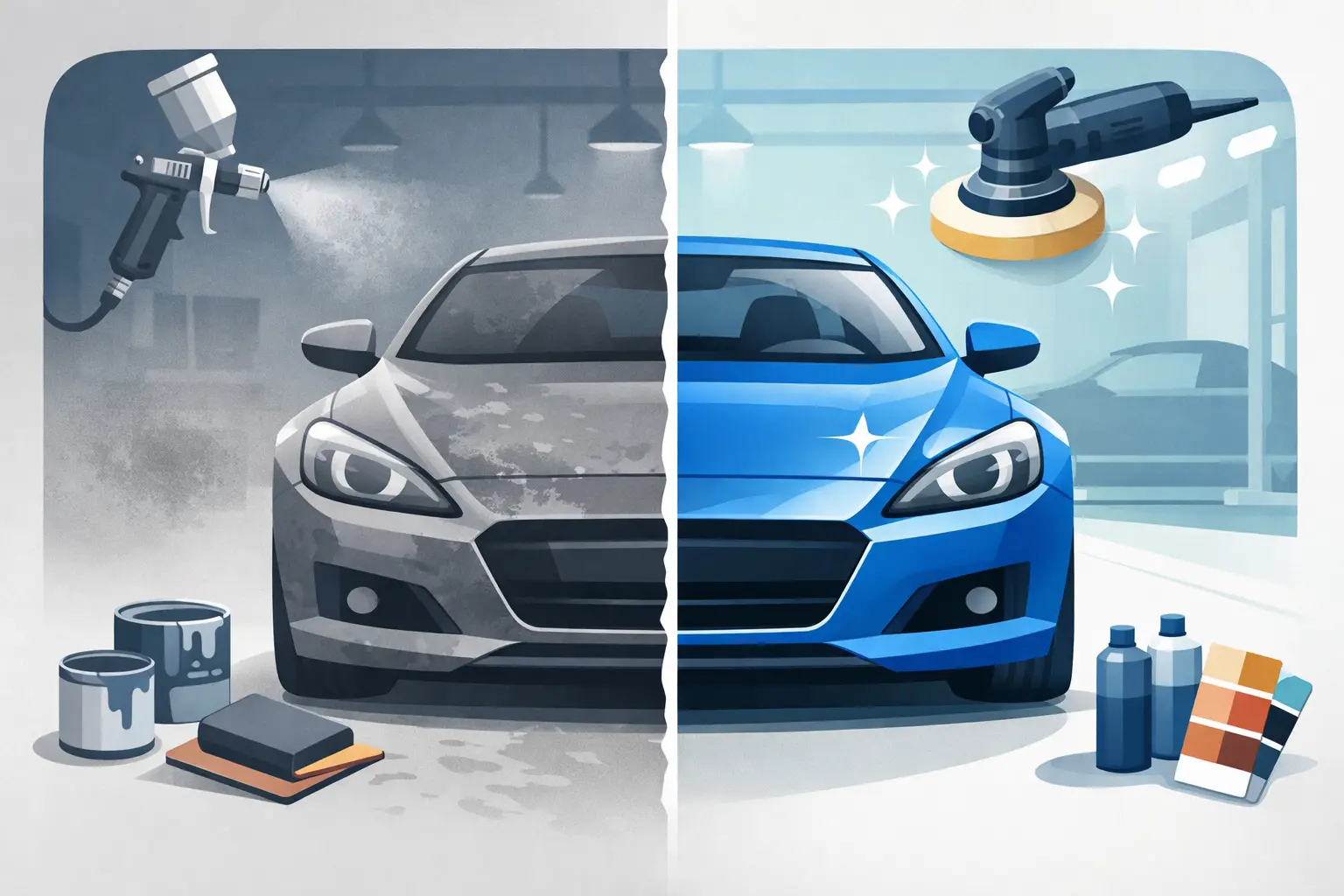
Before a respray, most vehicles show their age in small ways. Clear coat may be peeling on the bonnet or roof. Stone chips can expose the layer beneath the paint. Bumpers may have scuffs, panels can carry dents, and different panels may no longer match after older repairs. From a few steps back, these issues can make an otherwise reliable car look tired.
After a professional respray, the aim is a clean, even finish with consistent colour and gloss across the repaired area. Panel gaps should look right, repaired sections should sit straight, and the finish should blend naturally with the surrounding paint. Under normal daylight, you should not be able to spot where the damage once was.
That does not mean every job needs a full vehicle respray. A bumper corner, guard or door can often be repaired and colour-matched without painting the entire car. The right option depends on the damage, the age and condition of the existing paint, and how close the repair sits to another panel. A good repairer will explain where a local repair makes sense and where a larger paint area will produce the better result.
The finish begins with the repair underneath
Paint cannot hide poor panel work for long. If a dent is filled over without being properly straightened, or if rust is simply covered, the problem is likely to show again. This is why the before stage matters just as much as the after photo.
The job starts with an assessment of the damage. A technician checks the panel, paint condition, nearby trims, bumper mounts and alignment. On accident repairs, they also look beyond the visible scrape or crease. Modern bumpers, guards and doors can hide broken clips, distorted brackets and damage around sensors or lights.
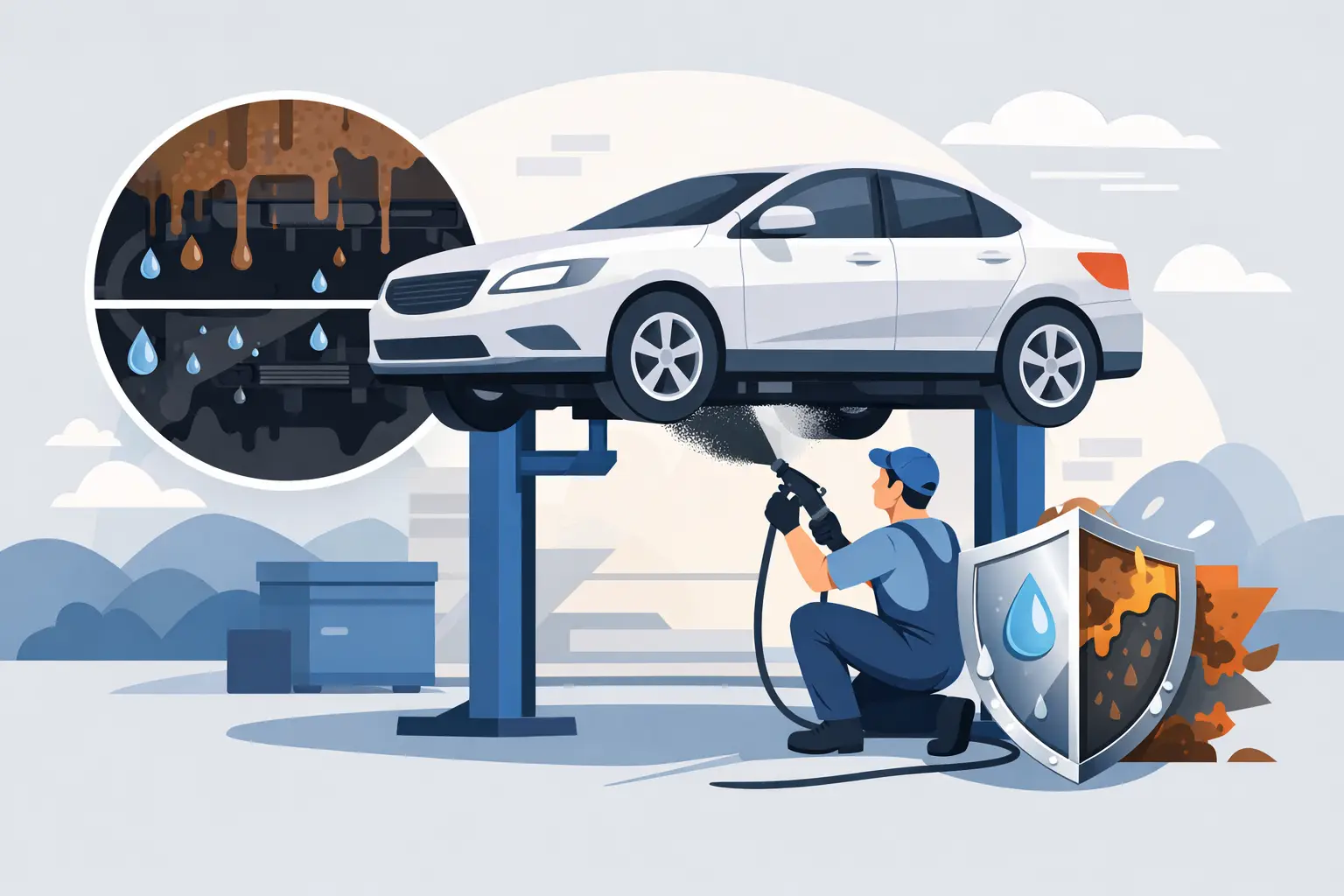
Once the repair plan is clear, the damaged paint is removed or feathered back, dents are worked into shape, and any necessary plastic welding or panel repairs are completed. Rust needs particular attention. The affected metal must be cut out or treated properly, rather than painted over, before the area is rebuilt and protected.
The panel is then sanded and primed to create a level foundation. This stage takes patience. Rushing it can leave sanding marks, ripples or uneven edges that become obvious once the paint catches the light. A flawless-looking final coat starts with a panel that is straight and smooth before it enters the spray booth.
How a professional car respray is applied
After preparation, the repaired area is cleaned, masked and sealed. The paint colour is matched to the vehicle, taking account of its paint code as well as the effect of age, sun exposure and previous repairs. Two cars with the same factory paint code can look slightly different years later, especially with metallic, pearl or red colours.
The colour coat is applied in controlled layers, followed by clear coat where required. The clear coat provides depth, gloss and protection from weather, road grime and regular washing. Correct booth conditions, spray technique and drying time all affect how well the paint lays down and how durable it will be.
For a panel repair, painters may blend colour into an adjoining panel to avoid a visible colour edge. This can sound like extra work, but it is often the difference between a repair that looks acceptable and one that disappears into the vehicle. A straight colour match is more achievable on solid colours, while metallic and pearl finishes demand more precise blending.
Once cured, the painted area is checked closely. Minor texture can be carefully refined with denibbing, buffing and polishing where appropriate. The goal is not to chase an unrealistic mirror finish at the expense of paint thickness. It is to deliver a smooth, consistent finish that looks right from every angle and stands up to everyday use.
Full respray or targeted repair?
A full respray is worth considering when paint failure is widespread, the vehicle has several damaged panels, or you are restoring a car that deserves a complete refresh. It can transform faded, oxidised paint and provide a consistent look across the whole vehicle. It is also a chance to address small dents, old repairs and rust spots that would otherwise continue to spoil the appearance.
However, a full respray involves more labour, materials and preparation than a single-panel repair. Trims, lights, handles and other components may need to be removed or carefully masked. The condition of the existing paint and bodywork also affects the cost. If old paint is failing or rust is present, proper remedial work cannot be skipped.
For newer vehicles with isolated damage, a targeted repair is usually the sensible and more cost-effective choice. There is no benefit in repainting sound panels simply for the sake of it. The best result is the one that restores the vehicle properly while keeping the scope of work honest and practical.
What to look for in before and after photos
Before and after images are useful, but a glossy after shot alone does not tell the whole story. Look closely at reflections in the paint. Straight lines from doors, windows or workshop lights should not bend around repaired areas. Check that colour looks even from the repaired panel into the next one, particularly around guards, doors and bumpers.
It is also worth looking at panel gaps, bumper edges and areas around handles, lights and mouldings. These details show whether the vehicle has been reassembled with care. A quality repair should not leave loose trims, overspray on rubbers or rough paint edges hidden in door shuts.
Ask what repair was completed beneath the paint. Was the dent repaired, was rust removed, were bumper tabs rebuilt, and was colour blended where needed? Clear answers are a good sign that the quote is based on the actual work required, not a quick cosmetic cover-up.
How long will the result last?
A correctly prepared and professionally painted repair is designed to last. Its lifespan still depends on where the vehicle is parked, how it is washed and whether it is exposed to coastal air, bird droppings, tree sap or harsh sun for long periods. Fresh paint benefits from sensible care while it fully cures.
Avoid abrasive polishing straight away unless your painter advises otherwise. Wash the vehicle with a pH-neutral car wash rather than dishwashing liquid, remove contaminants promptly, and use a quality protective product once the recommended curing period has passed. Regular cleaning does more than keep the shine up – it helps you spot new chips or damage before moisture gets underneath the paint.
A respray will not stop future stone chips or car park knocks, but it gives your vehicle a strong, well-finished starting point. If you notice a fresh chip, scratch or rust mark, dealing with it early is usually faster and less expensive than waiting for the issue to spread.
Getting a clear quote for your respray
The most useful quote is one that explains the repair area, preparation required, paint process and likely turnaround time. It should also flag possible variables, such as hidden damage found after a bumper is removed or extra rust beneath failed paint. Honest communication here prevents surprises later.
At Fast Panel & Paint, the focus is on restoring the part of your vehicle that needs attention with workmanship you can see in the final finish. A proper assessment allows the repair plan to suit your car, your budget and the standard you expect.
Your vehicle does not need to be brand new to look cared for. Start with a close inspection, choose the repair scope that makes sense, and give the paintwork the preparation it deserves. The after result will speak for itself every time you walk back to the car.