A small bubble under the paint or a brown stain near a wheel arch can look harmless. Left alone, it can spread behind the panel, weaken metal and turn a manageable repair into a much bigger job. A professional rustproofing treatment helps protect vulnerable areas from moisture and road grime, but it works best when it is applied to a clean, sound vehicle – not used to hide corrosion that is already active.
For drivers around Manukau, corrosion is not only an old-car problem. Wet weather, coastal air, mud, road spray and blocked drain points all give moisture places to sit. Whether you drive a family SUV, a daily commuter, a work ute or a weekend classic, protecting the areas you cannot easily see can save money and preserve your vehicle’s finish over time.
What a rustproofing treatment actually does
Rust starts when bare or damaged steel is exposed to water and oxygen. Salt, dirt and trapped moisture speed the process up. It often begins where panels overlap, beneath seals, inside doors and sills, around wheel arches, under the floor and behind plastic guards. By the time rust is obvious on the outside, there may already be more happening behind the panel.
A rustproofing treatment is designed to form a protective barrier in these exposed areas. Depending on the vehicle and its condition, this may involve a penetrating cavity wax for internal sections, an underbody protection coating for the underside, or both. The right product is applied where it can repel moisture while still allowing drainage points to do their job.
This is preventative maintenance, not a magic fix. Coating over loose rust, flaky metal or damp contamination can trap the problem underneath. A quality result starts with inspection and preparation, then uses the treatment that suits the vehicle rather than applying the same product everywhere.
When your vehicle is a good candidate
The best time for rust protection is before rust takes hold. Newer vehicles can benefit from additional protection if they regularly face wet roads, gravel, muddy worksites or coastal conditions. Older vehicles can also be worthwhile candidates when the metal is still structurally sound and surface corrosion has been dealt with properly.
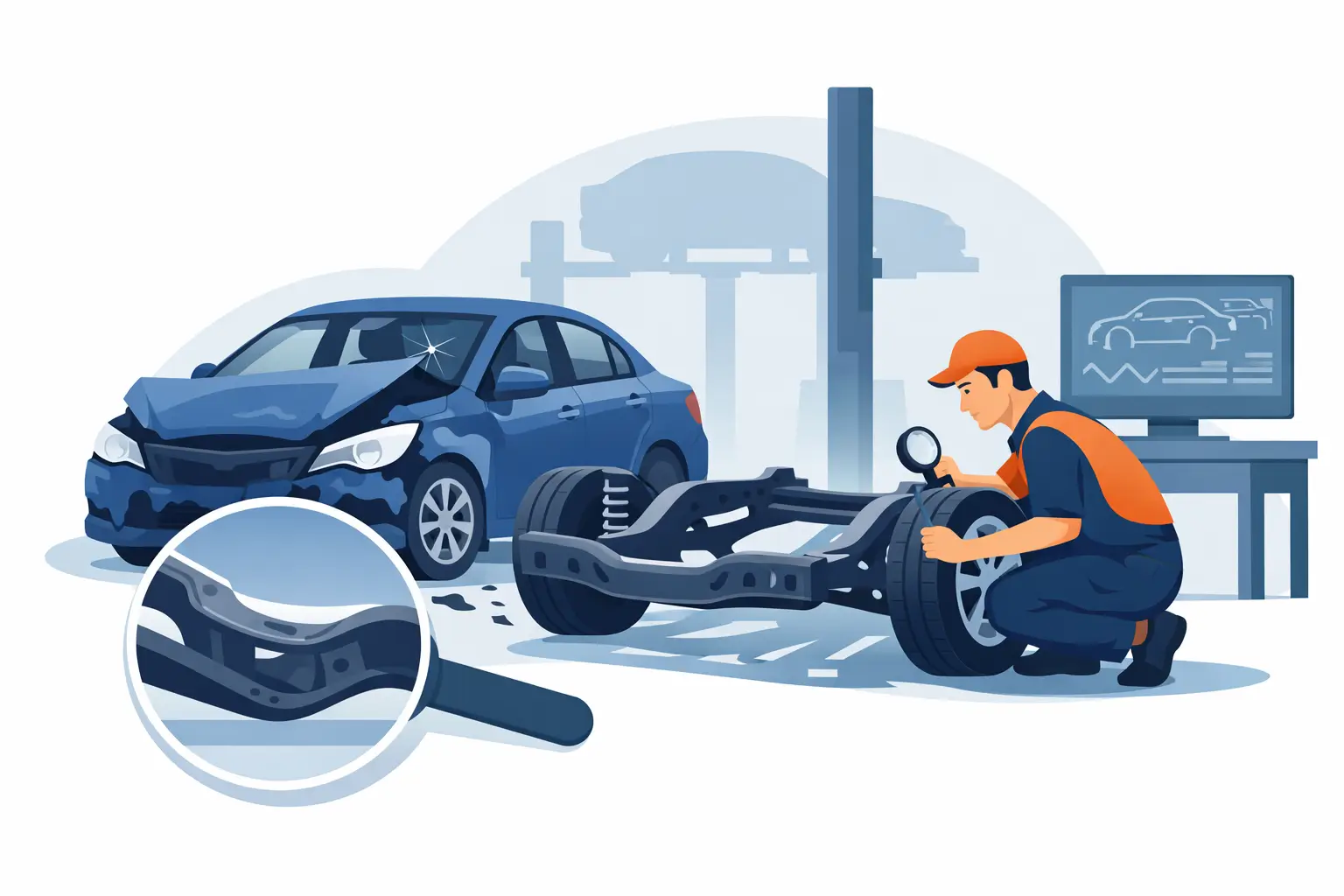
It is especially worth considering if your vehicle spends plenty of time outdoors, lives close to the coast, is used for towing or trade work, or has recently had underbody repairs. A vehicle that has had panel work following a collision may also have areas where factory coatings were disturbed and need to be restored correctly.
Signs that you should book an inspection sooner rather than later include bubbling paint, brown staining around seams, rust under door edges, rough or peeling coating underneath the vehicle, and water collecting in the boot, footwells or doors. These symptoms do not automatically mean the vehicle needs replacing. They do mean the cause needs to be found before it spreads.
Treatment versus rust repair
This distinction matters. Rustproofing protects good metal and helps slow future corrosion. Rust repair removes affected metal or corrosion, repairs the area properly, and restores the surface with suitable primers, sealers and paint.
If corrosion has eaten through a panel, affected a structural area or caused a WOF concern, a protective coating alone is not an honest repair. The damaged section needs attention first. Once the repair is complete and protected, a rustproofing treatment can help guard the surrounding areas from the same conditions that caused the issue in the first place.
The preparation is where the value is
A tin of underbody spray may make the underside look darker for a while, but appearance is not protection. Proper preparation is what separates a durable job from a temporary cover-up.
The vehicle should first be inspected for existing corrosion, impact damage, leaks and blocked drain holes. The underside and relevant cavities need to be cleaned so the technician can see what is actually there. Loose material, dirt and failing old coatings cannot provide a reliable base for new protection.
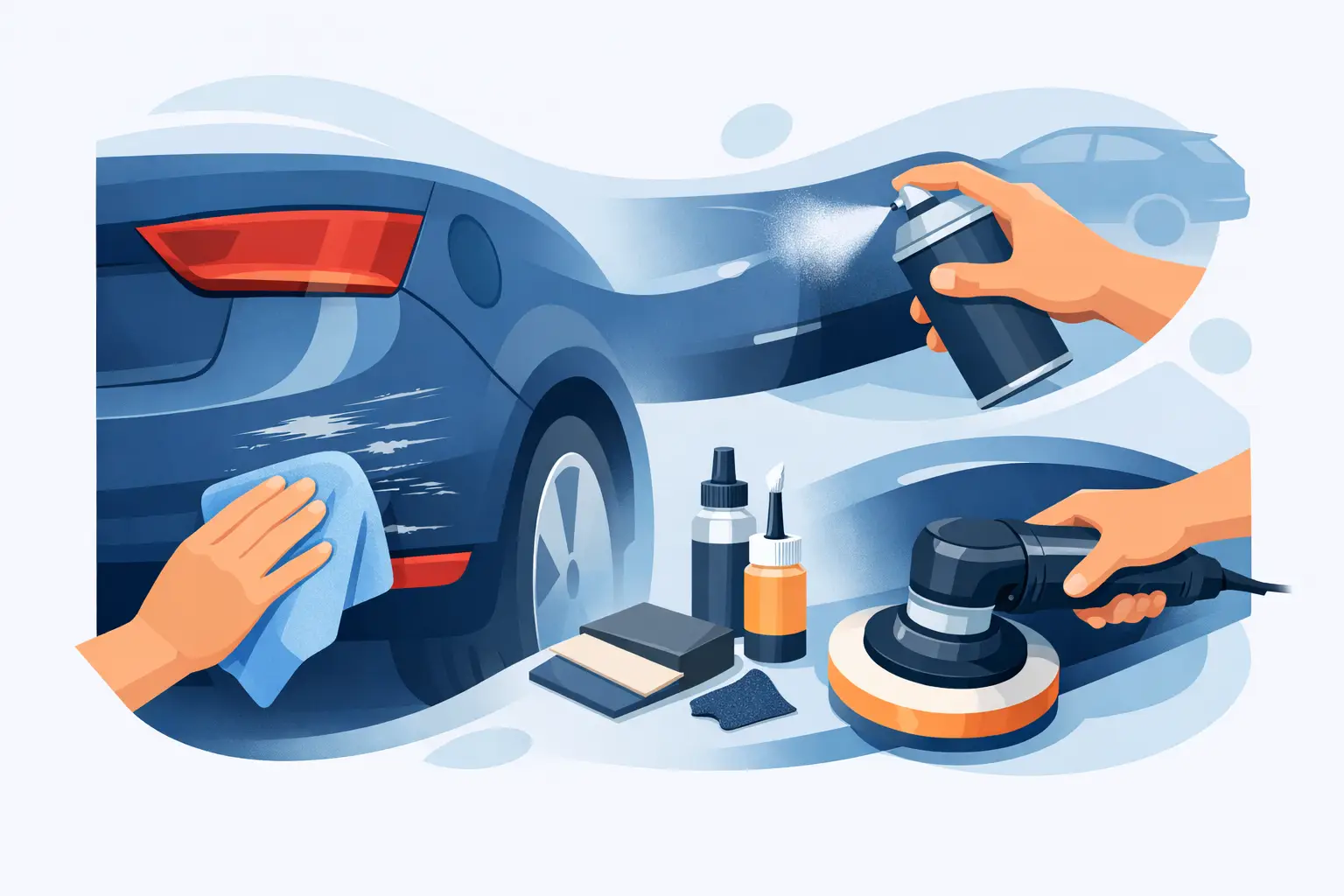
Where repairs are needed, they should be completed before treatment. That can include removing rust, repairing or replacing affected metal, sealing joins and applying corrosion-resistant primers. Once the area is clean, dry and ready, the appropriate protection can be applied to seams, wheel arches, floor sections and internal cavities.
Care also needs to be taken around exhaust components, brakes, suspension parts, sensors and drainage points. More product is not always better. A coating applied in the wrong place can create mess, affect service access or block a path that water needs to escape through.
Cavity wax and underbody coatings are not the same
Cavity wax is a thinner, creeping protection designed for enclosed areas. It can reach into doors, sills, chassis rails and other hollow sections where moisture may sit unseen. It remains flexible and is particularly useful around seams and overlapping metal.
Underbody coatings are generally more durable and abrasion-resistant. They are used on exposed areas beneath the vehicle that deal with water spray, grit and road debris. On the right surface, they help protect factory coatings and repaired sections from damage.
The best approach often uses both, but it depends on the vehicle’s age, build, use and existing condition. A city commuter that stays on sealed roads has different needs from a ute used around muddy sites or a vehicle regularly parked close to the coast. An experienced repairer will recommend protection based on what the car actually needs, not simply sell the biggest package.
How long does rust protection last?
There is no honest one-size-fits-all answer. The lifespan depends on the product used, the quality of preparation, how the vehicle is driven and what it is exposed to. Regular travel on unsealed roads, frequent water crossings, coastal parking and heavy use can wear underbody protection faster than normal suburban driving.
A treatment should be checked during regular servicing or after an underbody knock, especially if you have scraped a driveway, hit road debris or taken the vehicle through rough conditions. Look for damaged wheel-arch liners, missing clips, peeling coating and mud packed into corners. These small issues can let moisture build up where it should not.
Keeping the vehicle clean also makes a genuine difference. Rinse mud and grime from wheel arches and the underbody when practical, particularly after wet trips or worksite use. Clear leaf debris from the base of the windscreen, check door and sunroof drains if fitted, and do not ignore damp carpet or a musty smell inside the cabin. Water entering the vehicle has to go somewhere, and often it finds a seam or floor section.
Common mistakes that make rust worse
The biggest mistake is waiting until the rust is visible from several metres away. By then, the affected area may be much larger than it appears. Another is relying on a quick spray over dirty metal because it looks cheaper upfront. It may hide the issue briefly while corrosion continues underneath.
Avoid drilling holes or removing trims without knowing what sits behind them. Modern vehicles have wiring, side-impact protection, clips and drainage channels that need to be treated with care. Similarly, be cautious of heavy coatings that make a vehicle look freshly protected but leave no clear record of the metal condition beneath.
Good rust protection should come with clear advice about what was found, what was repaired, which areas were treated and when to inspect it again. That is the kind of transparency that helps you make sensible decisions about your vehicle.
Protect the finish you have worked hard to keep
A clean paint finish can make a car look sharp, but its long-term condition is also decided underneath the paint and behind the panels. At Fast Panel & Paint, the focus is on repair work that looks right and lasts – which means dealing with corrosion honestly before it affects more of the vehicle.
If you have noticed bubbling paint, underbody damage or signs of trapped moisture, do not wait for the next WOF to force the issue. A timely inspection can show whether your vehicle needs rust repair, a rustproofing treatment, or simply better drainage and ongoing care.