A fresh finish can make an ageing daily driver look sharp again, give your ute a tougher presence, or restore pride after panel damage. But when weighing up spray painting vs wrap, the right choice is not simply about which one costs less upfront. It comes down to the condition of your vehicle, how long you want the result to last, the finish you are chasing and whether there is damage beneath the surface that needs proper attention.
A quality wrap and a professional respray both have their place. The key is choosing the option that suits your car rather than covering up a problem that will only cost more later.
Spray Painting vs Wrap: The Main Difference
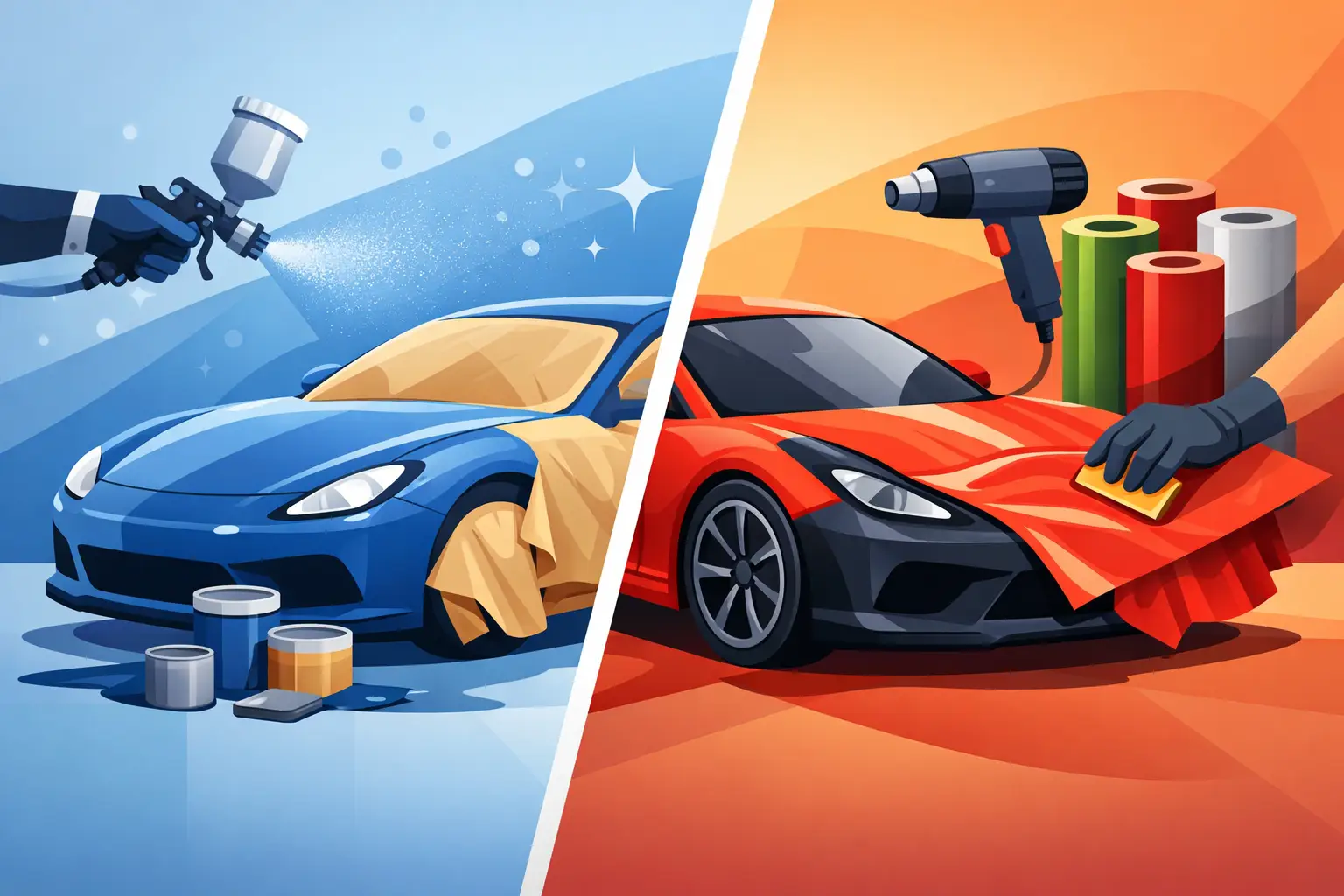
Spray painting applies automotive paint directly to prepared panels. A proper job involves repairing dents, rust or cracked paint first, sanding and priming the surface, colour matching where needed, then applying colour and clear coat in controlled conditions. The result becomes part of the vehicle’s finish.
A vehicle wrap is a purpose-made vinyl film applied over the existing paintwork. It can change the colour, add a gloss, satin or matte finish, or display signage and graphics. The original paint remains underneath, provided it is sound enough for the film to adhere correctly.
That difference matters. Paint is generally the better answer when a vehicle needs repairs, long-term restoration or a factory-style finish. A wrap is often a good option when the paintwork is already in decent condition and you want a reversible visual change.
When Spray Painting Is the Better Investment
Professional spray painting is designed to restore a vehicle properly, not just make it look better from a few metres away. If your car has accident damage, peeling clear coat, stone chips, rust bubbles, faded panels or previous poor-quality repairs, painting is usually the sensible route.
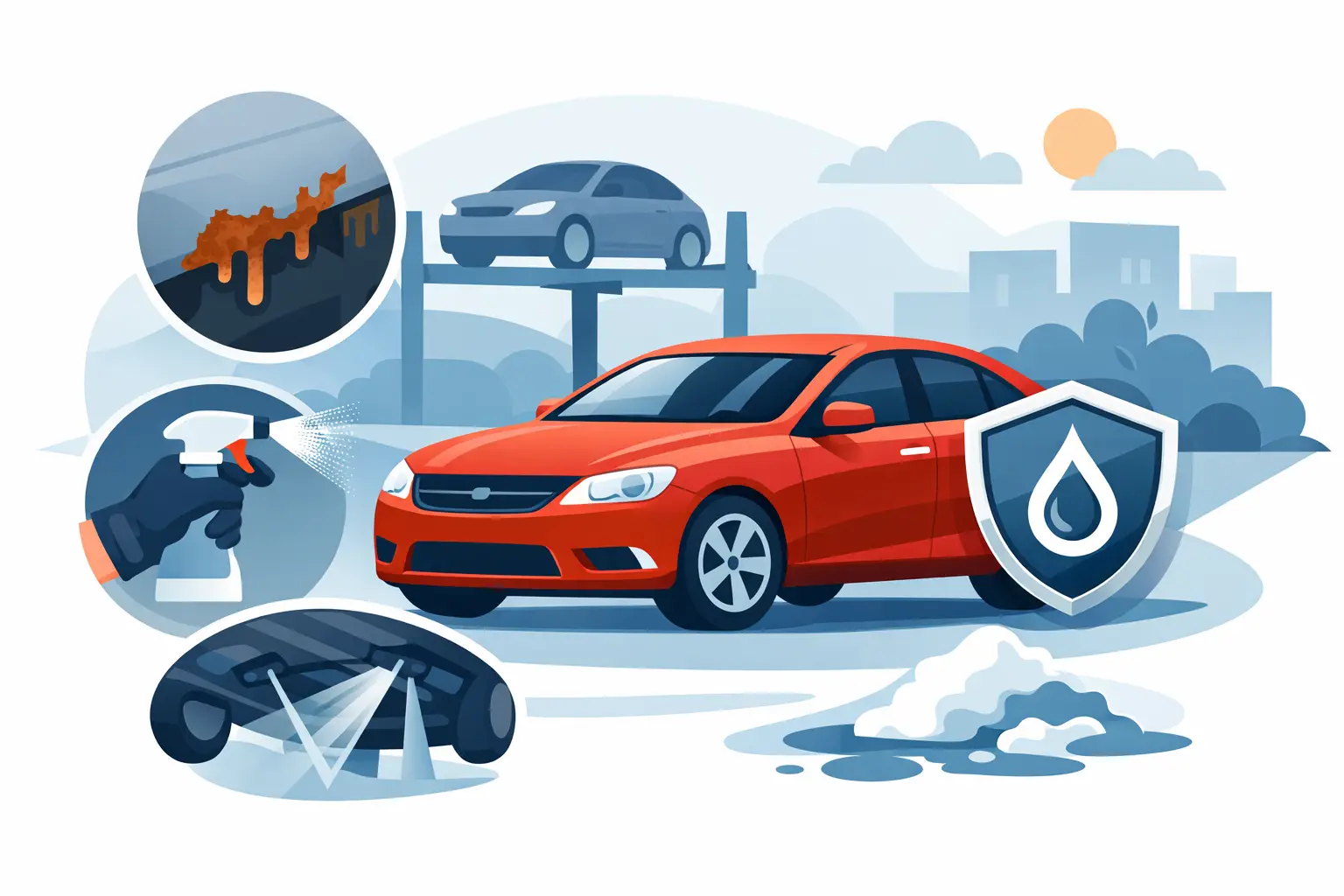
Before any colour goes on, a panel beater can assess what is happening below the surface. A dent may need reshaping, a bumper may need plastic welding, or corrosion may need to be cut out and treated. Painting over these issues, or applying wrap over them, does not stop the damage. It simply hides it for a while.
A well-prepared and professionally painted panel can last for many years. With the right products, correct curing and regular care, a respray offers strong UV protection, a deep gloss and a finish that can be polished when light scratches or swirl marks appear. It is also the closest option to returning a repaired vehicle to its original appearance.
Colour matching is another major advantage. If one door, guard or bumper has been damaged, a skilled refinisher can blend the colour into adjacent panels so the repair does not stand out. This is particularly valuable on metallic, pearl and modern factory colours, where a straight colour application can look noticeably different in changing light.
Painting does take more preparation and workshop time. That can make it more expensive than wrapping a small area, especially when body repairs are required. But the repair work is not an optional extra. It is what gives the new finish a solid foundation and helps protect your vehicle’s value.
Best suited to repairs and long-term ownership
Spray painting makes the most sense for drivers who plan to keep their vehicle, want a lasting result, or need collision damage repaired correctly. It is also the stronger option for restoring a classic car, refreshing tired paint, repairing rust or preparing a vehicle for sale where condition matters.
For insurance-related repairs, professional paintwork is generally part of the correct repair process. The goal is not merely to make the panel presentable. It is to repair the structure, restore the finish and return the vehicle to a safe, tidy condition.
When a Vehicle Wrap Makes Sense
Wraps are popular because they offer a dramatic change without permanently repainting the car. You can take a white hatchback to satin black, add a bold commercial graphic to a work van, or protect selected painted areas with clear film. If the wrap is professionally fitted and looked after, it can be removed later to reveal the original paint underneath.
This makes wrapping appealing for leased vehicles, business fleets, promotional vehicles and owners who like to change the look of their car every few years. It can also be a practical choice for a vehicle that has good factory paint but an owner who wants a different colour or finish without committing to a full respray.
However, wraps are not magic. Vinyl follows the surface underneath it. Small chips, rough repairs, lifting clear coat and rust can remain visible through the film or prevent it from bonding properly. If paint is already flaking, removing the wrap later can pull away more damaged paint with it.
The edges, door shuts, mirrors, handles and complex curves also need careful attention. A poor installation can lift, trap dirt, show joins or develop bubbles. A quality wrap should look neat up close, not only good in photos.
Best suited to sound paint and short-to-medium-term changes
A wrap is a strong choice when the original finish is in good condition and the goal is style, branding or a temporary colour change. It is not the right repair for badly damaged panels, corrosion or failing paintwork.
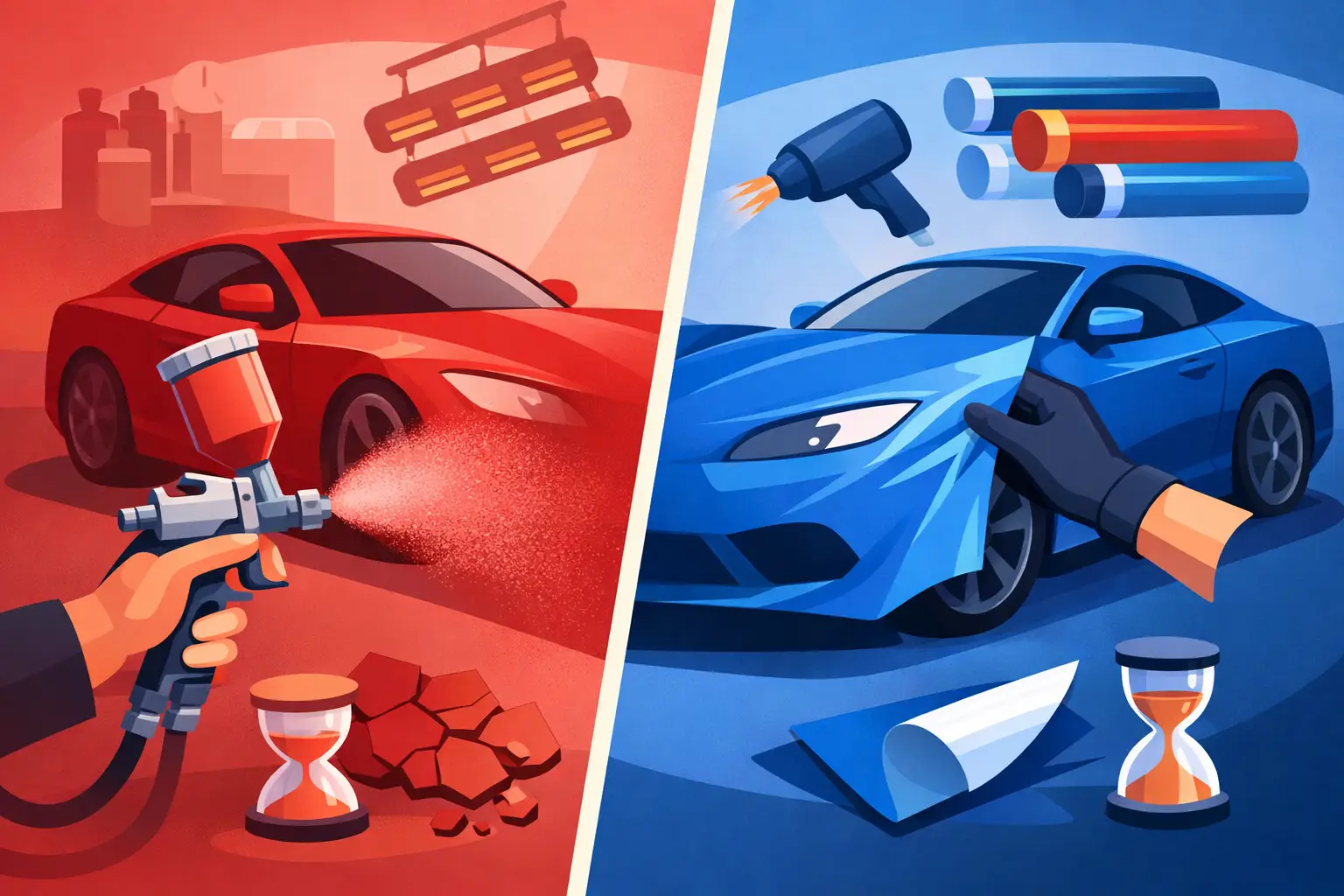
Its lifespan depends on the film quality, installation, vehicle storage and how it is cleaned. Harsh sun, frequent outdoor parking and aggressive washing can shorten its life. Vinyl can also stain or mark, and while some minor scuffs may be less noticeable than on paint, damaged sections often need replacing rather than polishing out.
Cost Is More Than the Initial Quote
It is tempting to compare one price for a wrap with one price for a respray and choose the lower number. That comparison can be misleading because the scope of work is often completely different.
A wrap quote may cover vinyl application over existing paintwork. A paint quote may include dent removal, rust treatment, bumper repair, sanding, priming, colour matching, masking, painting and refinishing. If the vehicle has damage, those steps are necessary whether you can see them immediately or not.
For a full colour change on a clean, straight vehicle, a wrap may have a lower upfront cost and less downtime. For panel repairs or paint restoration, spray painting usually offers better value because it addresses the reason the vehicle looks tired in the first place.
Think about the whole ownership period too. A wrap may need replacement after several years, while quality paintwork can continue to perform with proper care. On the other hand, if you only need branded graphics for a two-year business campaign, a removable wrap can be the more economical choice.
Durability, Maintenance and Everyday Use
Both finishes need care, but paint is generally more forgiving for long-term daily driving. Modern automotive paint systems are built to handle weather, road grime and regular washing. Light marks can often be corrected with a buff and polish, while touched-up chips can be repaired before they worsen.
Wrapped vehicles should be washed gently and regularly to prevent contaminants sitting on the vinyl. Avoid harsh chemicals, abrasive brushes and high-pressure water directed at edges and seams. Matte and satin wraps need particular care because they cannot be polished in the same way as gloss paint without changing their appearance.
For vehicles that spend every day outside, travel long motorway distances or work hard on site, durability should be a serious part of the decision. Paint is usually the tougher long-term finish, especially when it has been applied over properly repaired panels.
Resale Value and What Buyers Notice
A clean, consistent paint finish can add confidence for future buyers because it shows the vehicle has been maintained. That does not mean every repaint lowers value. Professionally repaired accident damage or faded paint is often far better than leaving obvious defects untreated.
A wrap can protect original paint in some situations, which may help when it is removed cleanly. But buyers can be cautious if a wrap is hiding the vehicle’s true condition. If you are selling soon, be prepared for questions about what sits underneath, whether the colour is recorded correctly and whether any repairs were completed before the wrap went on.
For business vehicles, wraps can add value in a different way. Clear, professional branding turns a van or ute into moving advertising. The finish still needs to be applied over tidy, sound panels, though. Signage looks its best when the bodywork underneath is straight and well presented.
Choose the Finish That Solves the Real Problem
If your vehicle needs dents repaired, rust removed, paint matched or collision damage restored, start with professional panel and paint work. A flawless finish depends on the work beneath it. Fast Panel & Paint takes that approach seriously, combining proper preparation with quality refinishing so the result looks right and lasts.
If your paint is healthy and you simply want a new colour, a distinctive finish or temporary branding, a wrap may be exactly what you need. Before committing, have the existing paintwork assessed honestly. The best finish is the one that leaves your vehicle looking better not just this month, but every time you walk back to it in the car park.