A repair quote can look straightforward until the job starts and the extras begin. If you want to protect your budget, avoid delays, and make sure your car is repaired properly, the best questions for a repair estimate are the ones that uncover what is actually included, what could change, and how the workshop plans to restore your vehicle.
That matters whether you are dealing with a scraped bumper in a car park, rust starting to spread around a wheel arch, or accident damage that needs proper panel and paint work. A cheap number on paper is not always a cheap job in the end. The right questions help you compare quotes on quality, not just price.
Why the best questions for a repair estimate matter
Two repair estimates can look similar at first glance and still lead to very different results. One workshop may be pricing for a proper repair using quality materials and careful prep. Another may be aiming for the fastest possible patch-up, with less blending, lower-grade materials, or limited allowance for hidden damage.
That does not automatically mean the higher quote is better or the lower quote is wrong. It means you need context. Good repairers will explain what they are allowing for, where the unknowns are, and what could affect the final invoice.
If you ask the right questions early, you are more likely to avoid three common problems. The first is hidden costs. The second is poor finish quality, especially in paint matching and long-term durability. The third is getting the car back later than expected because the estimate was too optimistic from the start.
10 best questions for a repair estimate
1. What exactly is included in this estimate?
This should be your starting point every time. Ask the workshop to walk you through the repair line by line in plain language. You want to know whether the price includes labour, parts, paint materials, blending, calibration if needed, and final finishing.
A quote that says only “repair and paint bumper” leaves too much open to interpretation. A better estimate explains whether the bumper is being repaired or replaced, whether adjacent panels need blending, and whether clips, brackets, or trims are included.
2. Is this a fixed quote or an estimate that could change?
Many car owners treat every quote as a fixed price, but not all repair work can be priced with complete certainty before disassembly. Hidden damage behind a bumper, under a guard, or beneath rusted sections is common.
A good workshop will be upfront about this. Ask what might trigger a price change and how you will be informed before extra work goes ahead. Clear communication here is a sign of an honest operator, not a red flag.
3. What parts are being used – new, aftermarket, recycled, or repaired?
Parts choice affects cost, fit, finish, and turnaround. New genuine parts often offer the best fit, but they can cost more and may take longer to source. Quality aftermarket parts can be a sensible option in some repairs. Recycled parts may suit older vehicles where keeping costs down matters most.
There is no one-size-fits-all answer. What matters is knowing what the workshop plans to use and why. If a panel is being repaired instead of replaced, ask whether that is the best option for durability and appearance, not just the cheapest one.
4. Will the paint be matched and blended properly?
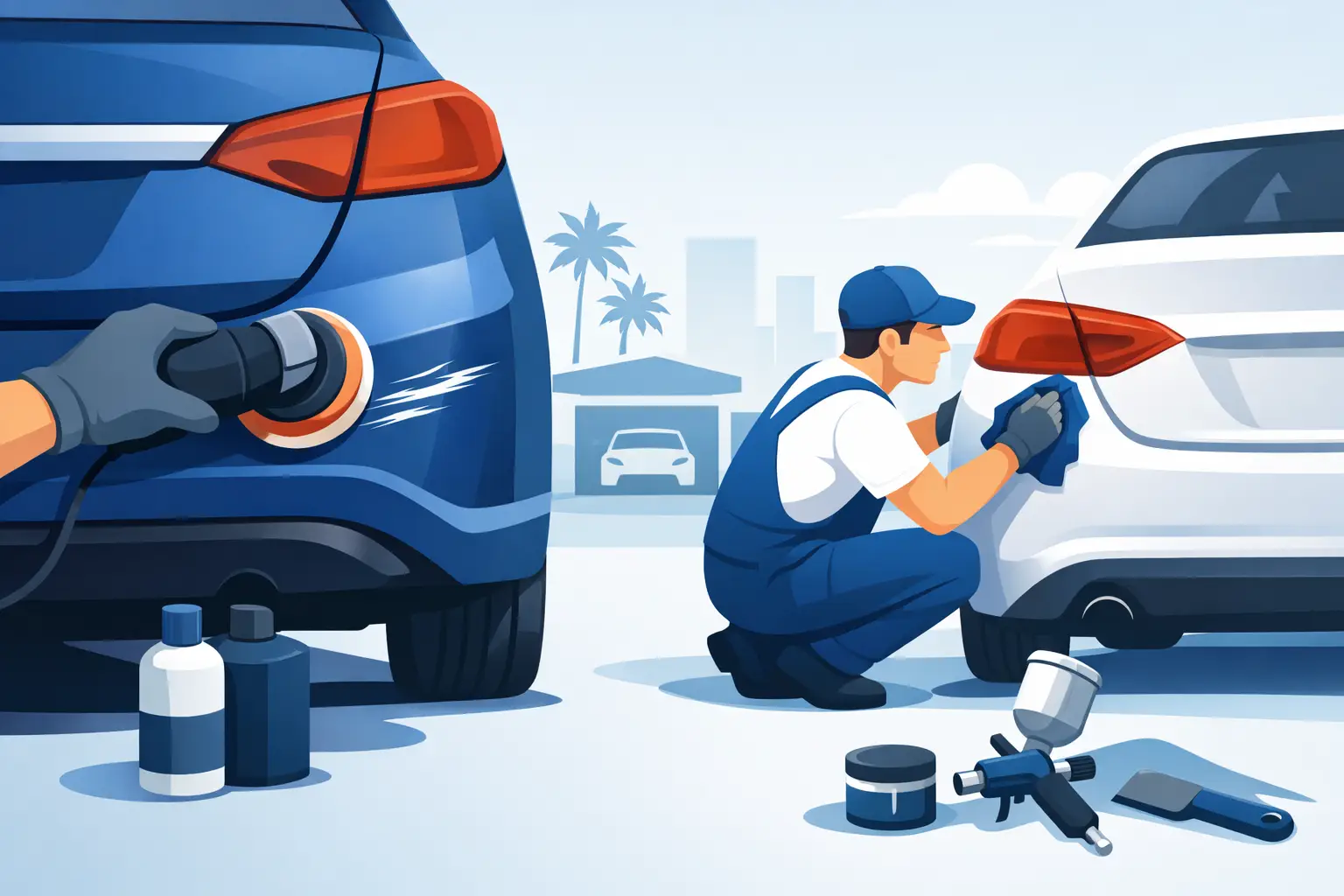
This is one of the most important questions for cosmetic repairs. Modern paint matching is not just about finding the factory colour code. Sun exposure, age, previous paintwork, and even the angle of a panel can affect how the colour reads once it is sprayed.
Ask whether the workshop expects to blend into adjacent panels for a better match. On paper, skipping blend work can make a quote look cheaper. In reality, it can leave a repaired panel standing out in full daylight. If you care about a clean, consistent finish, this question matters.
5. What repair method are you recommending, and why?
The best repairers do not just name a price. They explain the approach. For example, a shallow dent may suit paintless dent removal, while a sharper crease may need filling, refinishing, and paint. A cracked plastic bumper may be suitable for plastic welding rather than full replacement.
When a workshop explains the method clearly, you can better judge whether the estimate fits the actual damage. It also gives you a chance to ask about trade-offs between cost, speed, and finish quality.
6. How long will the repair take from drop-off to collection?
Ask for a realistic timeframe, not the best-case scenario. The answer should account for parts availability, paint curing time, workshop load, and any approvals needed if insurance is involved.
Turnaround time can vary for good reason. A quick smart repair might be done in a day or two. Structural work, rust repairs, or multi-panel paint jobs can take longer. What you want is honesty. A workshop that promises a very fast job without explaining the process may be setting expectations too high.
7. What could delay the job?
This is one of the best questions for a repair estimate because it gets past the sales pitch. Every workshop has potential hold-ups. Parts can arrive late. Extra damage may be found once a panel is removed. Insurance approvals can slow things down.
A professional shop will not pretend delays never happen. Instead, they will tell you the likely pressure points and how they keep customers updated if the schedule shifts. That kind of communication saves frustration later.
8. Is there any warranty on the workmanship or paint?
You do not need a long speech full of industry jargon. You just need a clear answer on what is covered. Ask about workmanship, paint adhesion, finish quality, and whether defects caused by the repair process will be rectified.
A solid repair should hold up. If a workshop avoids the question or gives a vague answer, take note. Confidence in the work usually shows up in how clearly they stand behind it.
9. Will you handle insurance communication if needed?
If your repair involves an insurer, ask how much of the process the workshop can manage. Some shops are very insurer-friendly and can help with paperwork, approvals, and assessor communication. Others leave most of that to you.
Neither approach is automatically wrong, but it affects your experience. If you are already dealing with the stress of an accident, having a workshop that can help keep the process moving is a real advantage.
10. Are there any costs not shown here that I should plan for?
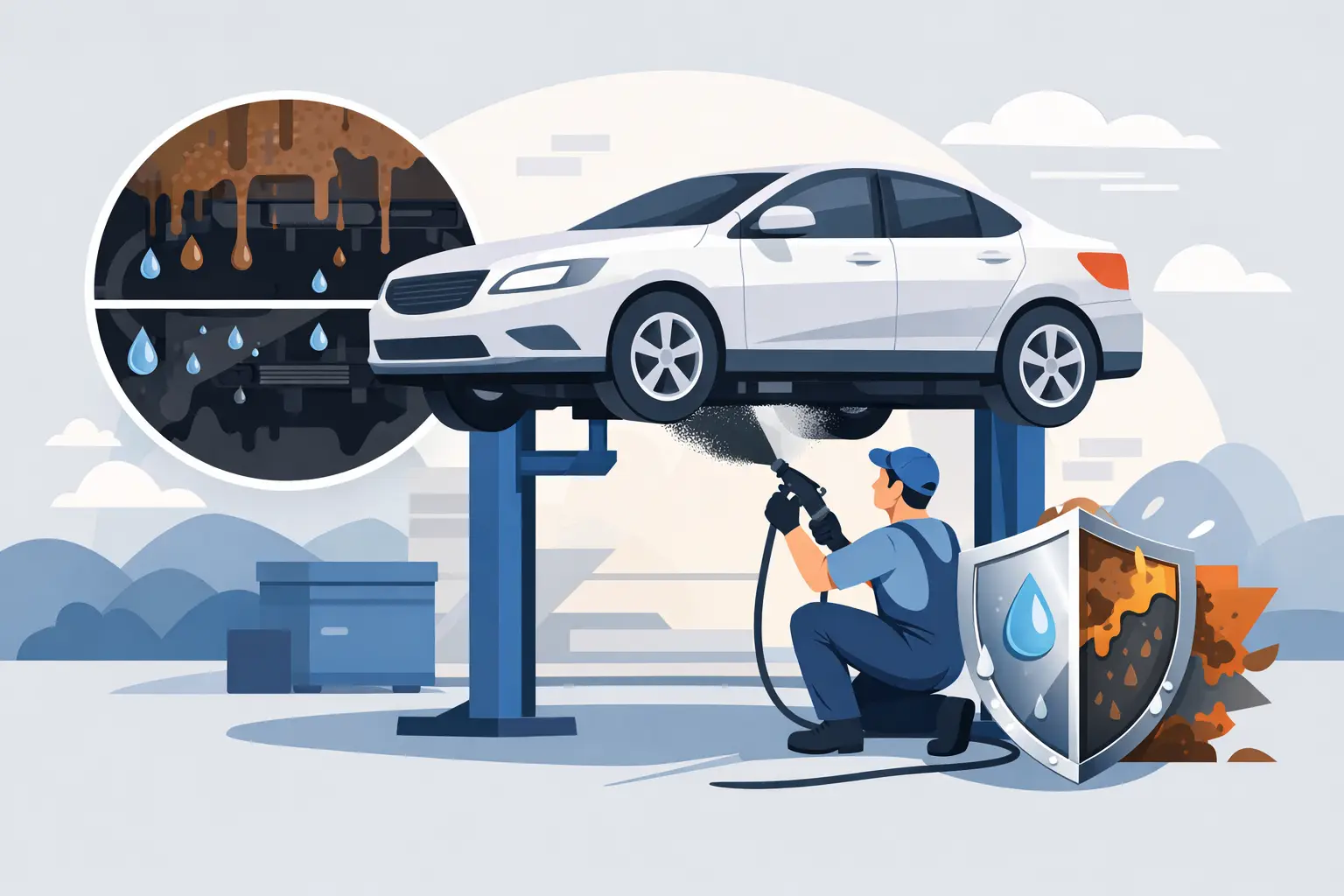
This is the question that often reveals the small but annoying extras. There may be charges for diagnostic checks, wheel alignment after certain repairs, replacement clips and fasteners, rust treatment beyond visible areas, or recalibration of vehicle systems.
You are not asking the workshop to predict every possible issue. You are asking them to be transparent about the most likely add-ons. Good operators respect that.
How to compare repair estimates properly
When you have more than one quote, avoid comparing only the bottom number. Look at what each workshop is actually proposing. One may include prep, blending, quality materials, and a stronger finish process. Another may be cheaper because it is allowing less labour or cutting steps you cannot easily spot on paper.
It also helps to notice how the estimate is explained. If a shop takes the time to answer questions clearly, that tells you something about how they will communicate once your car is in the workshop. For most drivers, that matters almost as much as the price itself.
The cheapest quote can be the right call on an older runabout where perfection is not the goal. On a newer vehicle, a family car you want to keep, or anything with insurance involved, paying for a proper repair often saves money and hassle later.
A few red flags to watch for
Be cautious if the estimate is vague, the workshop cannot explain the repair method, or the price seems far below everyone else without a clear reason. Another warning sign is pressure to approve the job quickly before you understand what is included.
You should also be wary of promises that sound too neat. No hidden damage, no possible delays, perfect match every time, same-day turnaround on a complex repair – real trades do not work like that. Honest repairers will give you confidence without pretending every job is simple.
Asking better questions leads to better repairs
A repair estimate is more than a number. It is a snapshot of how a workshop thinks, how it communicates, and how seriously it takes the finish on your vehicle. Asking the best questions for a repair estimate helps you spot the difference between a rushed patch-up and a repair that restores your car properly.
If a workshop answers clearly, explains the trade-offs, and treats your car like something worth getting right, you are already on better ground. That is usually where the best results start.