A faded bonnet, peeling clear coat or a car that no longer feels like yours can make the car respray vs wrap decision seem simple: change the colour and move on. In reality, the best choice depends on what is underneath the surface, how long you plan to keep the vehicle, and whether you want a finish that restores it properly or one that can be removed later.
For a tidy daily driver, family SUV, work ute or pride-and-joy weekend car, the finish needs to look right and stand up to real life. Here is how to choose with clear expectations.
Car Respray vs Wrap: The Real Difference
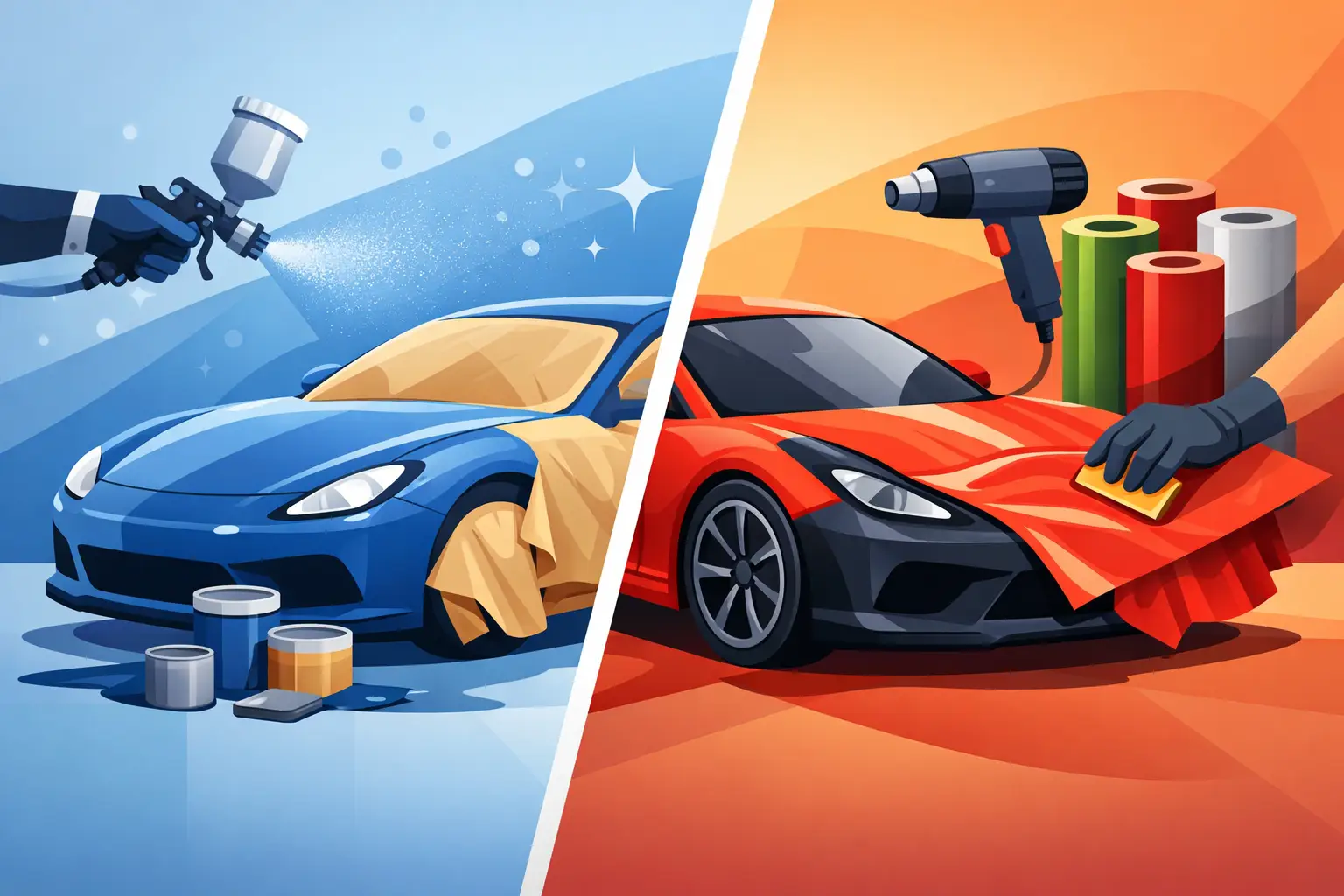
A respray is a permanent refinishing process. The vehicle is prepared, repaired where needed, primed, painted and clear-coated. Done properly, it gives the bodywork a uniform, durable finish that becomes part of the car.
A wrap is a coloured or textured vinyl film applied over the existing paint. It can change the appearance dramatically without permanently changing the original colour. Gloss, matte, satin, metallic, carbon-look and printed finishes are all possible.
The key difference is not just colour. Paint restores the vehicle’s surface. Wrap covers the surface that is already there. That distinction matters most when the paintwork has stone chips, dents, rust, peeling clear coat or previous repair issues.
When a Respray Is the Better Investment
A professional respray makes sense when your current paint is tired, damaged or failing. If clear coat is peeling on the roof, the bonnet has oxidised, or panels have mismatched paint after accident repairs, vinyl will not fix the underlying problem. It may even make defects more noticeable once it is applied.
Painting is also the better route when there is rust. Rust needs to be removed and the affected metal repaired before it spreads. Covering it with a wrap is only a short-term disguise, and trapped moisture or continued corrosion can leave you with a bigger repair bill later.
For owners keeping a vehicle for years, a quality respray can be the stronger long-term choice. Modern automotive coatings, correct panel preparation and a proper clear coat are built for UV exposure, rain, road grime and regular washing. The result can bring an older vehicle back to life while protecting repaired areas properly.
A respray gives you more freedom around damage repairs too. A panel shop can repair dents, bumper damage, scratches and rust, then colour-match and refinish the affected sections. For full colour changes, the job can also include the door jambs, boot openings and other visible edges. That level of detail is what helps the finished vehicle look factory-finished rather than obviously changed.
Paint quality comes down to preparation
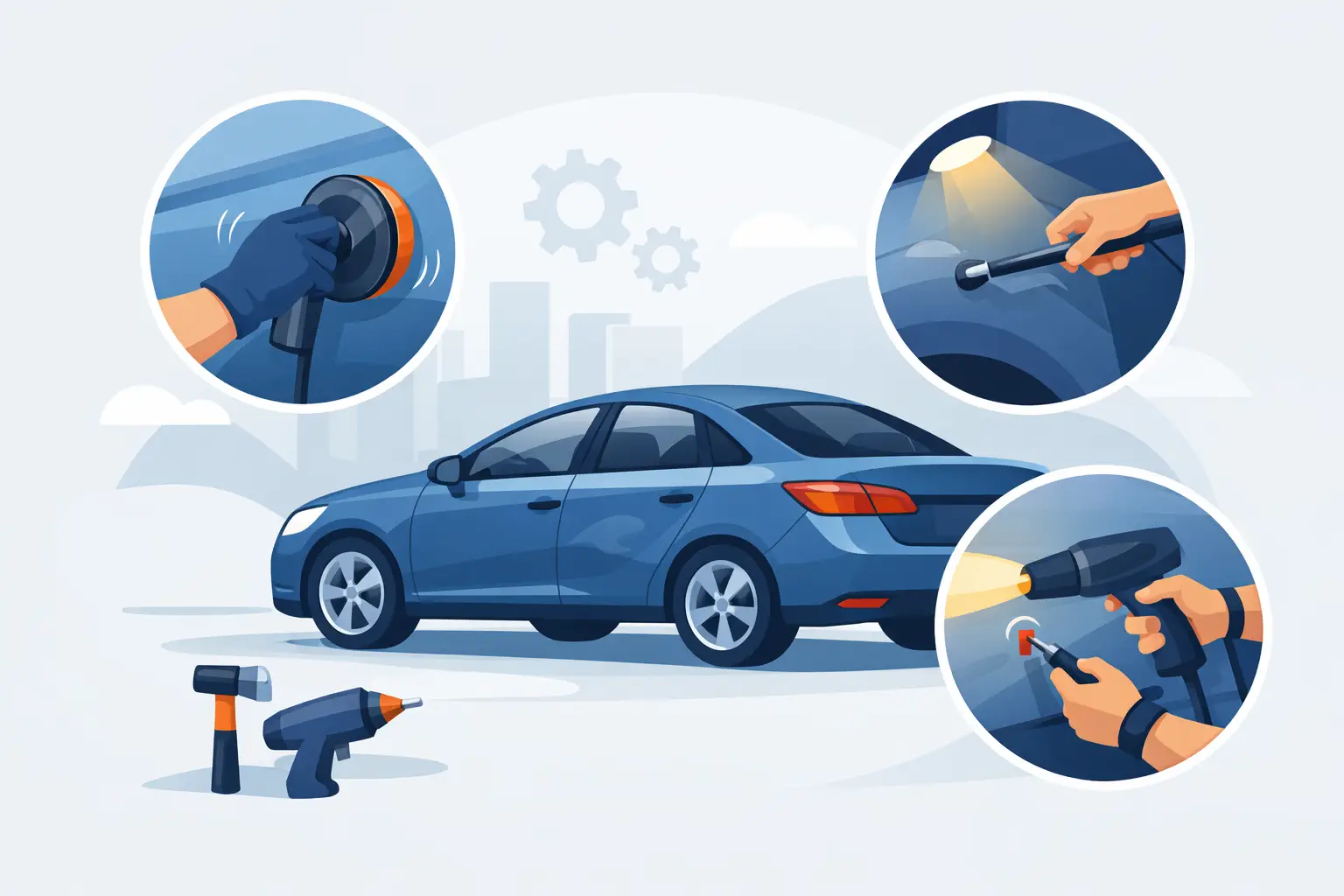
The visible coat is only one part of a good paint job. Panels need to be assessed, straightened where required, sanded, sealed and primed before colour is applied. Skipping these stages can lead to waviness, poor adhesion, sinkage or an uneven shine.
This is why a cheap respray quote is not always a bargain. Ask what preparation is included, whether damaged areas are repaired properly, what paint system will be used, and whether trims, lights or handles are removed or masked. An honest quote explains the scope, not just the final number.
When a Car Wrap Makes More Sense
A wrap is a practical option when the original paint is still in good condition and you want a temporary visual change. Perhaps you have bought a late-model car in a colour you do not love, want a distinctive finish for a few years, or need branding on a work vehicle without committing to permanent paint.
It is also popular with enthusiasts who want matte, satin or colour-shift looks that would be expensive or difficult to achieve in conventional paint. Because wrap can be removed, it allows more flexibility when it is time to sell, return a leased vehicle or change the design again.
A well-fitted wrap can offer a degree of protection against light scuffs and minor stone marks. However, it is not armour. Sharp impacts can tear the film and damage the paint below. It will not repair a dent, stop existing rust, or hide peeling paint for long.
The original paint should be sound before wrapping. Vinyl adheres best to smooth, stable surfaces. Damaged clear coat, loose paint, deep scratches and poorly repaired panels can affect adhesion and the final appearance. In some cases, removing the wrap later may lift compromised paint with it.
Wraps have a service life
Wraps are not permanent, and their lifespan depends on the film quality, installation, storage and exposure to sun. Cars parked outside every day in harsh conditions will generally age faster than vehicles kept under cover. Edges, door handles, mirrors and heavily handled areas can show wear first.
Care is straightforward but not zero-effort. Regular gentle washing helps, while aggressive polishing, harsh chemicals and high-pressure water directed at edges can shorten the life of the film. If a section is torn or badly marked, it may need replacing, and a close colour or texture match can be harder as the existing wrap ages.
Cost: Look Beyond the Upfront Quote
A wrap can sometimes cost less than a full respray, particularly where the paintwork is already straight and presentable. But cost varies widely with vehicle size, wrap material, design complexity, whether door shuts are included, and the amount of trim removal needed.
Respray pricing depends heavily on repair preparation. Painting a sound panel is different from repairing rust, blending adjacent panels, straightening damage or changing a vehicle from dark to light. A full colour change requires more labour if you want visible edges, jambs and openings completed properly.
The fairest comparison is to match the job to the condition of the car. If a vehicle needs panel beating and paint repair first, adding a wrap on top does not avoid those costs. It simply delays them. On the other hand, if the paint is excellent and you only want a reversible style change, paying for a full repaint may be more than you need.
Durability, Repairs and Resale
Paint and wrap both need care, but they handle damage differently. A painted panel with a deep scratch or impact damage generally needs repair and refinishing. A skilled repairer can blend the colour to surrounding panels, although metallic and pearl colours may require careful blending for an even result.
With a wrap, a damaged section can sometimes be replaced without repainting the entire car. That is useful for commercial graphics or a single damaged door. But if the film has faded, the new piece may not match perfectly. Damage that has gone through the vinyl still needs body and paint repair underneath.
Resale is another area where context matters. A tidy, professionally painted vehicle can improve appeal when the original finish was badly worn. Poor-quality repainting, however, may concern knowledgeable buyers if it suggests hidden repairs or uneven workmanship. Keeping invoices and photos of the work helps show what was done.
A wrap can preserve original paint and offer a clean, removable look, which may appeal to some buyers. Others may want to inspect the paint below before committing. If resale is close, a subtle repair and polish may be a safer choice than a bold colour change, unless your buyer is very clear.
Questions to Ask Before You Decide
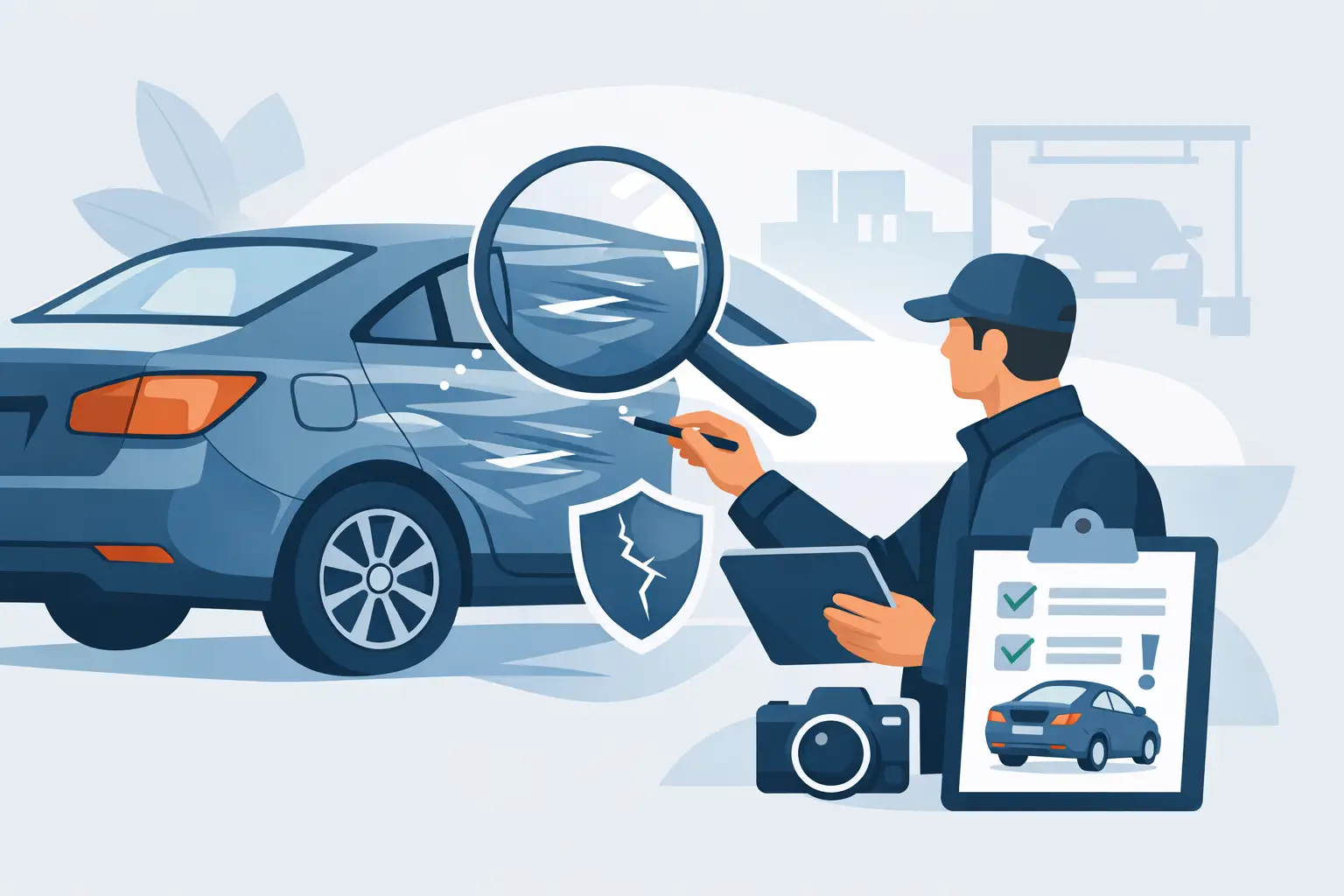
Before booking either option, inspect the vehicle honestly. Look for peeling clear coat, bubbling paint, rust around wheel arches, dents, previous repairs and stone chips. These issues should guide the decision, not be treated as an afterthought.
Ask the provider how they will prepare the surface, what is included in the quote, how long the work will take and how they handle any hidden damage found once work begins. For paint, ask about colour matching and warranty expectations. For wrap, ask about the brand of film, panel edges, removability and care requirements.
At Fast Panel & Paint, the first priority is getting the bodywork right. A flawless finish lasts longer when the surface beneath it has been repaired, prepared and protected properly.
If your car needs restoration, rust repair or a finish that will carry it through years of daily driving, choose paint. If the paint is healthy and you want a reversible change with a particular look, a wrap may be the smarter move. The right choice is the one that suits the condition of your vehicle, not simply the option with the lowest first quote.