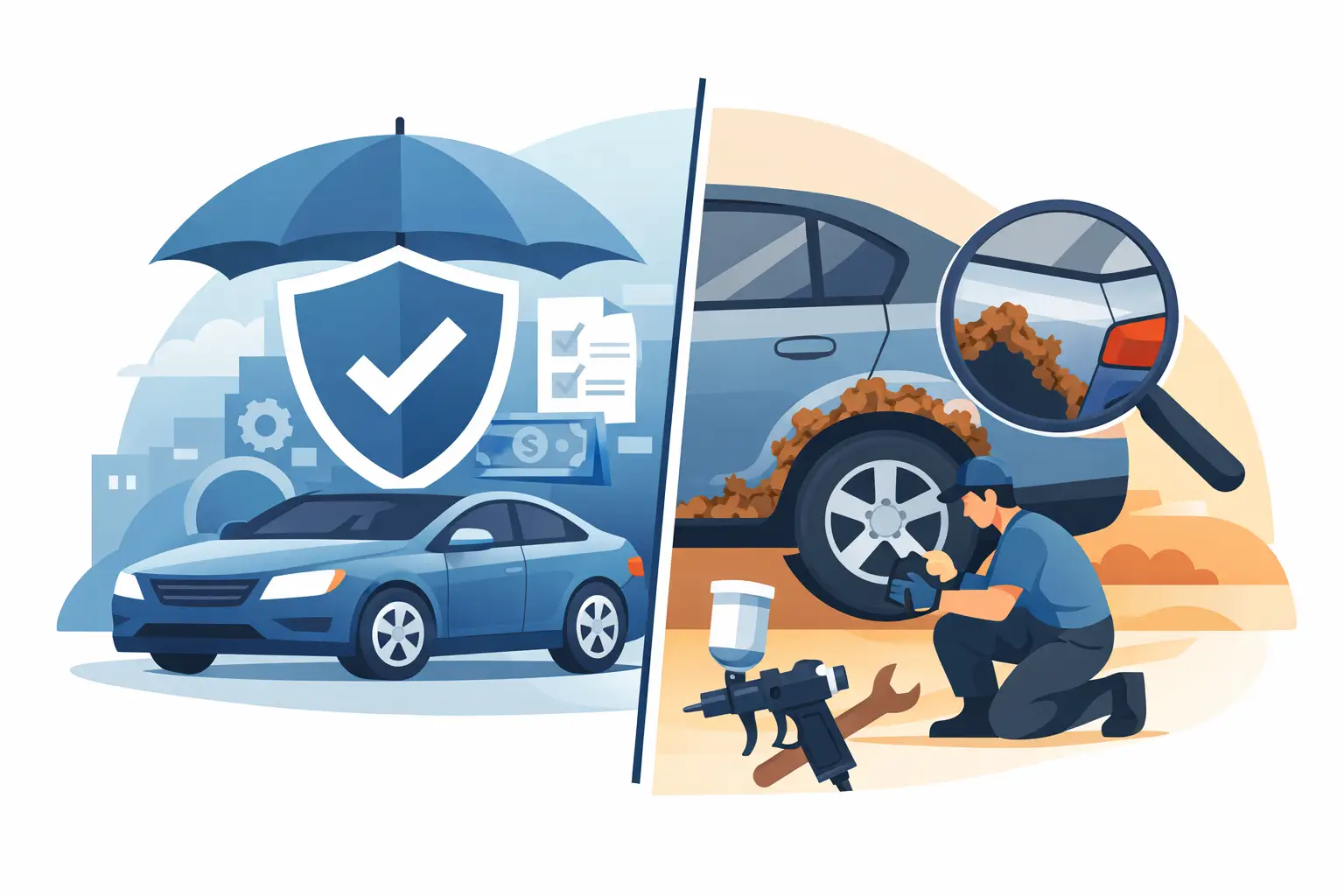
A good paint repair review is not just about whether a car looks shiny on collection day. The real test is whether the repair blends into the rest of the vehicle, stands up to daily driving, and comes with clear communication from the first quote to the final handover. For most owners, that is the difference between a quick cover-up and work they can genuinely feel proud of.
Whether you are dealing with a scraped bumper, a shopping-centre dent, faded clear coat, rust around a wheel arch or accident damage, paintwork is one of the first things people notice. It also protects the metal beneath it. Getting it repaired properly protects your car’s appearance, value and long-term condition.
What a Paint Repair Review Should Tell You
The best reviews give you more than a five-star rating and a photo taken from three metres away. Look for comments about colour matching, communication, turnaround time, the condition of the vehicle at collection and how the repair has held up over time.
Customers who mention that a repair is difficult to spot in direct sunlight are usually describing quality preparation and careful blending. That matters because paint can look perfect in a workshop, then reveal a mismatch outside when the sun hits it. Metallic, pearl and older faded colours are especially demanding. A quality repairer does not simply spray the damaged panel and hope for the best. They assess the surrounding panels, mix the colour accurately and blend where needed for a natural finish.
Reviews should also reveal how a workshop handles the practical side of the job. Were the costs explained? Did the customer receive updates? Was the car ready when promised, or was any delay communicated early? Honest service is not about promising every repair will be finished overnight. It is about setting realistic expectations and keeping you informed.
The Signs of Proper Paint Repair Work
Preparation shows in the final finish
The paint itself is only one part of the job. Before any colour is applied, the damaged area must be cleaned, repaired, shaped, sanded, primed and sealed correctly. Rushing this stage can lead to waviness, sanding marks, poor adhesion or paint that starts lifting months later.
A well-finished panel should feel smooth and look straight when viewed along its surface. Look at it from different angles, not just face-on. Reflections from windows, lights and nearby cars can reveal ripples that are easy to miss at first glance. On bumpers and plastic trims, the finish should look even without rough edges, overspray or patchy texture.
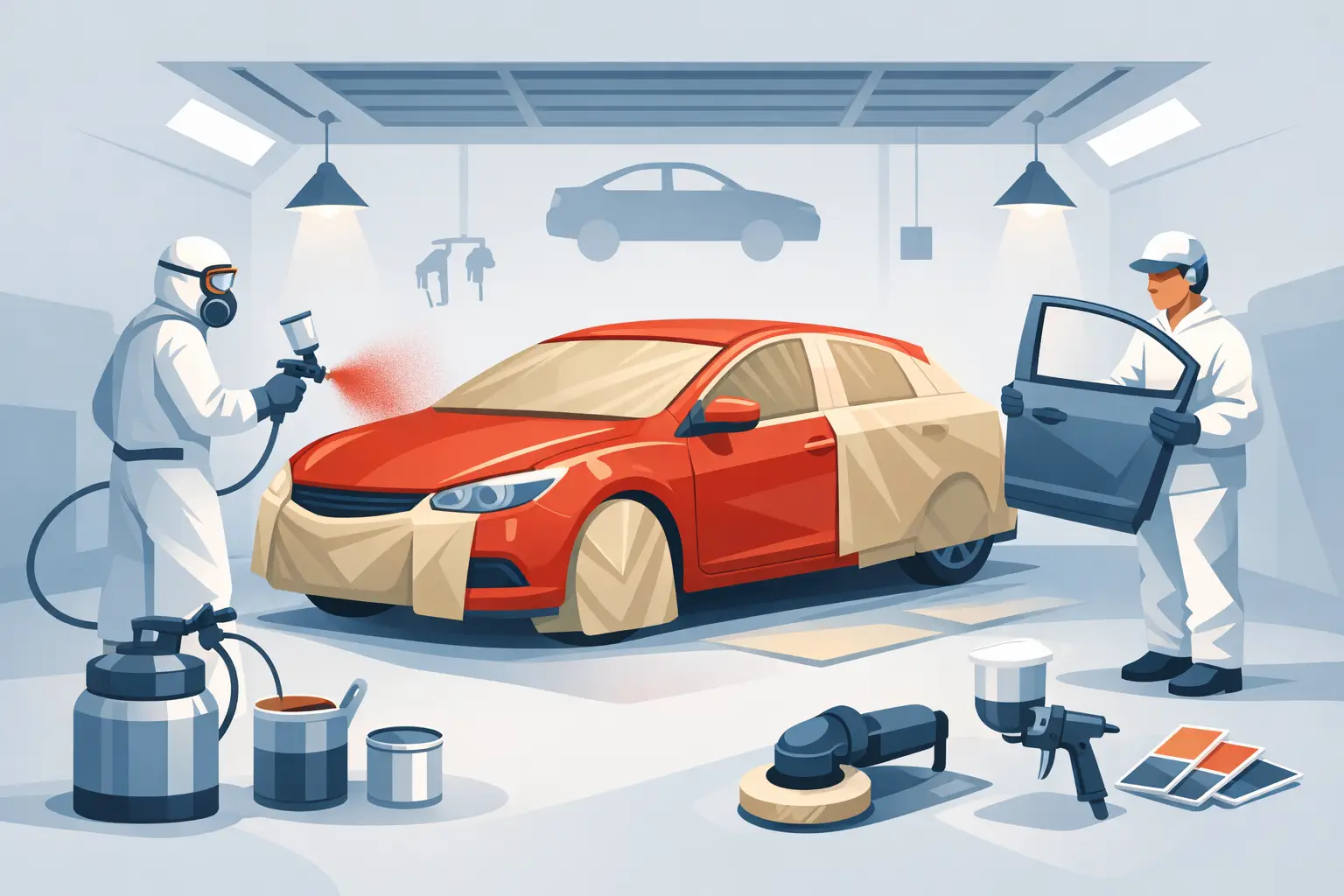
Quality preparation also includes masking and protecting the rest of the vehicle. There should not be paint mist on rubber seals, glass, wheels, door shuts or nearby panels. Details like these are a straightforward sign of whether the workshop takes pride in the whole job, not only the obvious damaged section.
Colour matching is more than finding a paint code
Every vehicle has a manufacturer paint code, but that code is a starting point, not a guarantee of a perfect match. Sun exposure, washing habits, previous repairs and the age of the car can all change the way the original paint looks. A white vehicle may have warmed slightly over time. Black can lose depth. Reds and silvers can vary noticeably between panels.
An experienced painter accounts for those differences. They may tint the colour, prepare spray-out cards and blend into adjoining panels where appropriate. Blending is not an unnecessary add-on when it is recommended for a visible area. It is often what prevents a freshly repaired guard or door from looking different from the panel beside it.
That said, not every small repair needs a large paint job. A minor stone chip, light scuff or small bumper mark may be suited to a targeted touch-up or spot repair. The right approach depends on the damage, paint colour, panel position and the result you expect. A trustworthy repairer will explain the trade-off between the lowest-cost option and the most invisible finish.
A clean polish cannot hide poor repair work forever
Buffing and polishing can improve light scratches, oxidation and dull paint dramatically. It is often the right solution when the clear coat is intact and the mark has not cut through to the colour layer. But polishing cannot repair deep gouges, cracked paint, rust or damage that has exposed bare metal or plastic.
Be cautious of any assessment that promises to polish away damage that clearly needs refinishing. A good workshop will tell you when a buff and polish is enough, and when the panel needs repair and paint. Straight answers save money in the long run because the job is matched to the actual condition of the car.
A Clear Quote Matters as Much as a Clean Finish
Paint repair quotes can vary because no two jobs are exactly alike. A bumper scrape may look simple, but hidden clips, cracked plastic, previous repairs or damage beneath the paint can change the scope once the part is inspected closely. The key is not always choosing the cheapest figure. It is understanding what is included.
A useful quote should outline the repair area, the preparation required, paintwork involved and any parts or additional work that may be needed. If there is a chance of further damage being found after stripping or sanding, that should be explained before work begins.
For insurance-related repairs, clear communication becomes even more valuable. The workshop should be able to coordinate the process, document the damage and keep you updated while approvals are being sorted. You should not be left chasing answers while your car is off the road.
At Fast Panel & Paint, the focus is on making the process straightforward: assess the damage properly, explain the repair path, use quality materials and return the vehicle with a finish that looks right in the real world, not only under workshop lights.
Questions Worth Asking Before You Book
You do not need to be a paint expert to choose a repairer with confidence. Ask whether the repair will be colour matched and blended into adjacent panels if necessary. Ask what preparation is required, how long the work is expected to take and whether the quote includes GST, materials and any likely additional steps.
It is also reasonable to ask how the repair will be cared for after collection. Fresh paint needs time to cure fully. Your repairer may advise avoiding harsh washing chemicals, automatic car washes or waxing for a period after the job. Following that advice helps protect the finish while it reaches full hardness.
If your vehicle has rust, ask how far the corrosion has spread and whether the affected metal will be repaired rather than simply painted over. Rust that is only covered will usually return. Proper rust repair means treating the cause, removing compromised material where needed and rebuilding the protection beneath the topcoat.
Check the Repair at Collection, Then Enjoy the Result
When you collect your car, inspect it outside if possible. Walk around it, look at the repair from several angles and check the panel gaps, trim, lights and nearby surfaces. The colour should sit naturally with the rest of the vehicle, and the repaired section should not look noticeably duller, rougher or flatter than surrounding paint.
Do not be afraid to ask questions before you leave. A professional repairer wants you to be comfortable with the outcome and understand how to care for it. If something does not look right, raise it promptly and respectfully so it can be checked.
Your car works hard for you every day. When paint damage takes the edge off its appearance, choose a repair that does more than hide the problem. The right workmanship restores the finish, protects the panel and lets you get back behind the wheel feeling good about what you drive.