A scrape on the bumper can look minor. A bent guard after a car park knock can look worse than it is. But until a repairer inspects the vehicle properly, neither you nor they can know exactly what sits behind the visible damage. Asking the best collision repair questions before work begins helps you avoid nasty surprises, protect your budget and make sure your car is repaired for the road ahead – not just made to look presentable for collection day.
A good panel and paint shop will welcome sensible questions. Clear answers show that the repair process is organised, the quote is honest and the people working on your vehicle take pride in the result.
Best Collision Repair Questions Before You Book
1. What damage can you see, and what may be hidden?
Start here. Modern bumpers, guards and doors can hide damage to brackets, sensors, liners, reinforcement bars and mounting points. A repairer should explain what is immediately visible and what may only become clear once trims or damaged panels are removed.
This is not a reason to worry. It is a reason to set realistic expectations. A professional quote may include a note about possible supplementary work if hidden accident damage is found. That is far better than being handed an unexplained extra bill at the end.
2. Will you repair the panel or replace it?
Repairing a panel can be a smart, cost-effective choice when the metal or plastic can be restored safely and cleanly. Replacing it may be the better option when the damage affects a safety mounting point, the panel is badly stretched, or the repair would compromise the final finish.
Ask why the recommended option is right for your vehicle. The cheapest path is not always the best value. A quality repair should hold its shape, fit correctly and give the paintwork a lasting result.
3. Is there any structural damage to check?
A low-speed impact can still affect more than a bumper cover. Depending on where the vehicle was hit, the repairer may need to inspect alignment points, rails, suspension components, boot floors or door apertures.
If there is a chance the impact has moved part of the vehicle structure, ask how it will be measured and repaired. Proper assessment and alignment equipment matter here. A car that looks straight but does not drive, steer or wear tyres properly is not fully repaired.
4. Will the vehicle need a diagnostic scan or sensor calibration?
Many newer cars have parking sensors, reversing cameras, radar, blind-spot monitoring and advanced driver assistance systems. These systems can be affected by collision damage, bumper removal, wheel alignment work or replacement parts.
Ask whether a diagnostic scan is needed before and after repairs, and whether any camera or radar calibration is required. The answer depends on your make, model and the damaged area, but it should never be guessed. Safety features need to work as intended when you get back behind the wheel.
5. What parts will be used?
This question is especially useful for insurance work. Parts may be genuine manufacturer parts, OEM-approved alternatives, new aftermarket parts or quality recycled parts. Each option has a place, depending on the vehicle, availability, insurer requirements and your budget.
Ask the repairer to explain the trade-off in plain language. A genuine part may be preferred for fit, finish or sensor compatibility. A quality alternative may be perfectly suitable for a non-structural item and help manage cost. What matters is knowing what is being fitted and why.
6. How will you match the paint colour?
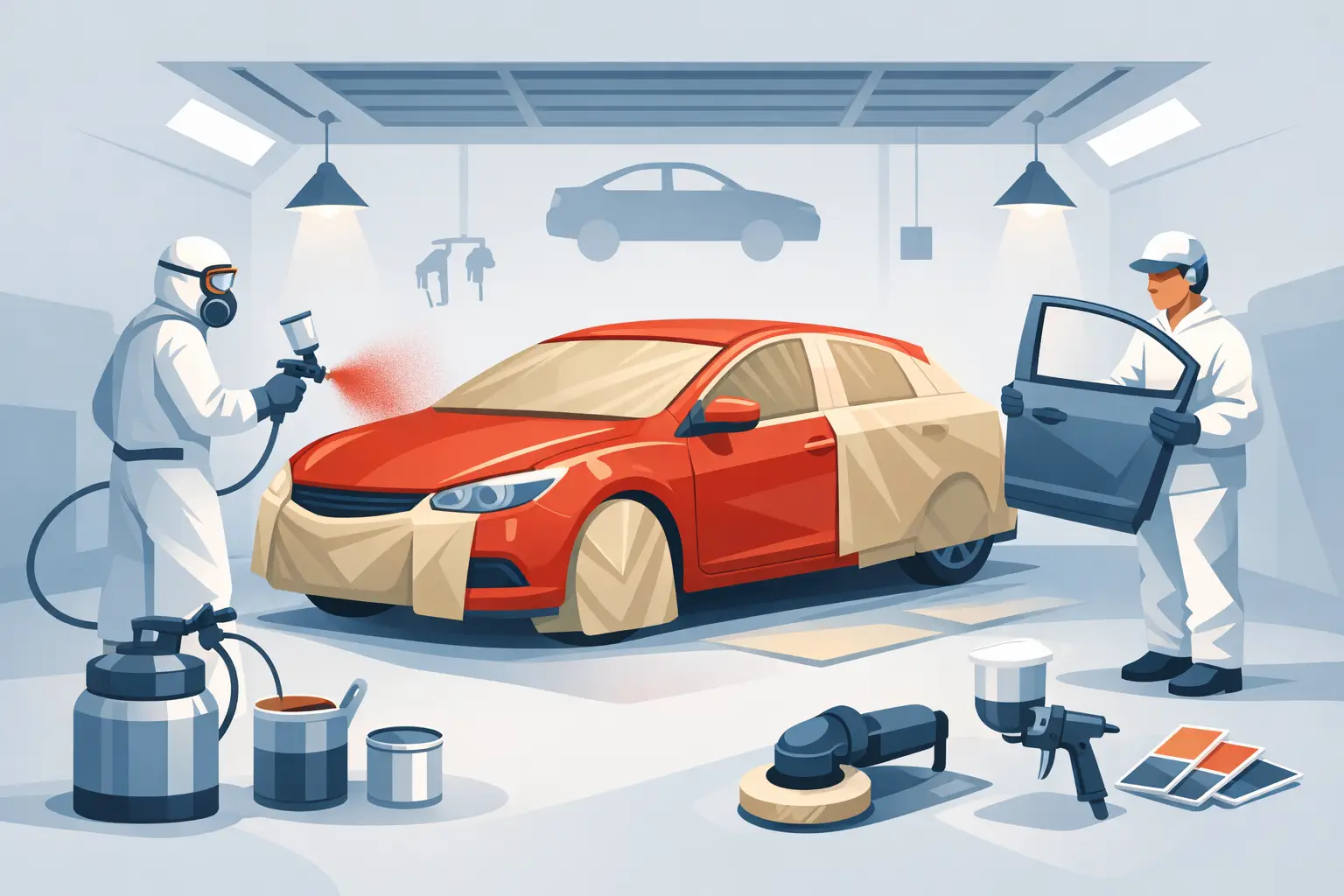
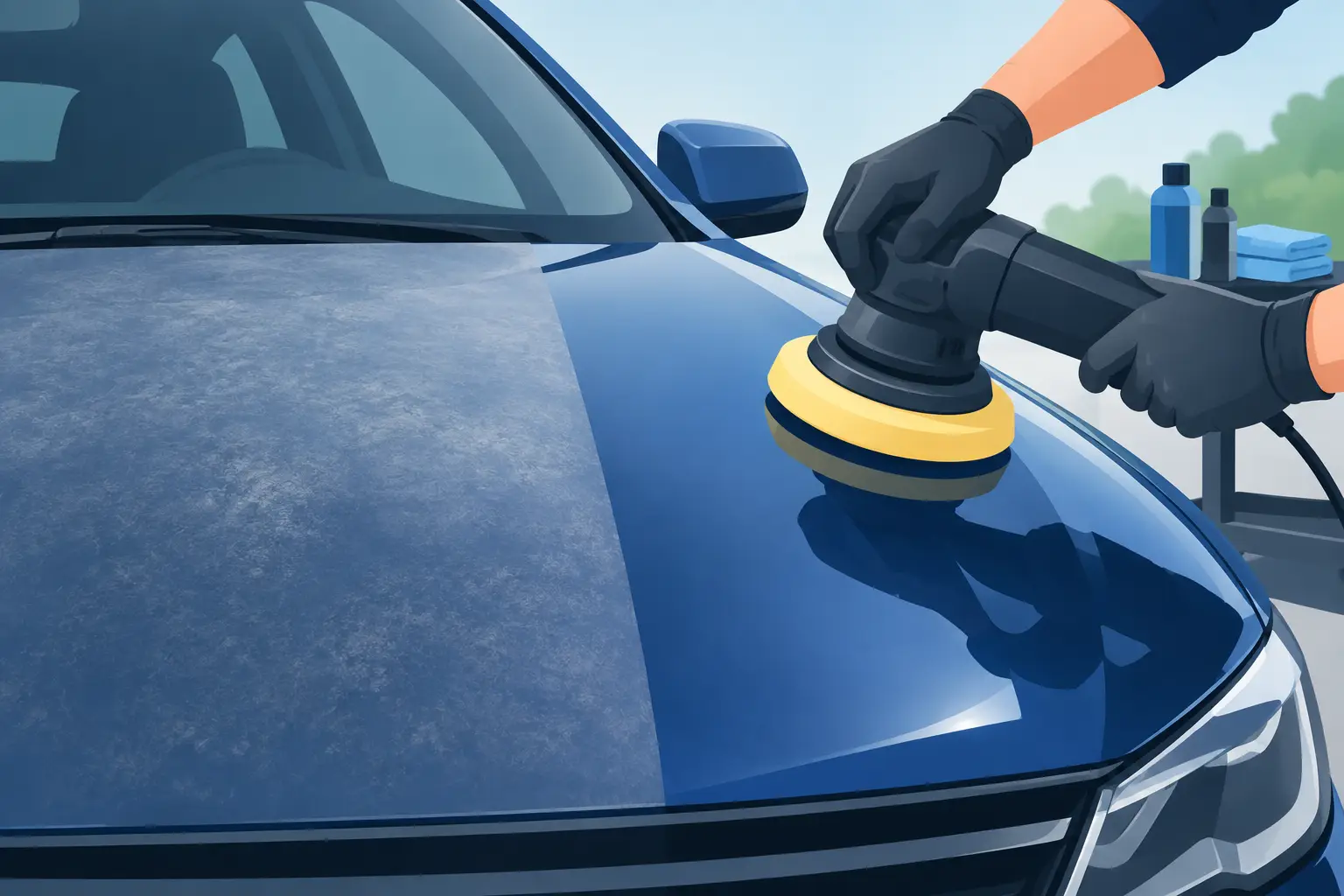
Paint matching is where skilled workmanship becomes obvious. Vehicle colour can vary across the body from sun exposure, age, previous repairs and the angle of each panel. Even a factory colour code does not always guarantee a flawless match on its own.
Ask whether the repairer will colour-match the vehicle and blend adjacent panels where needed. A good finish should look consistent in daylight, shade and under workshop lights. The goal is not simply fresh paint. It is a repair that does not draw your eye every time you walk up to the car.
7. Will rust, old repairs or previous paintwork affect the job?
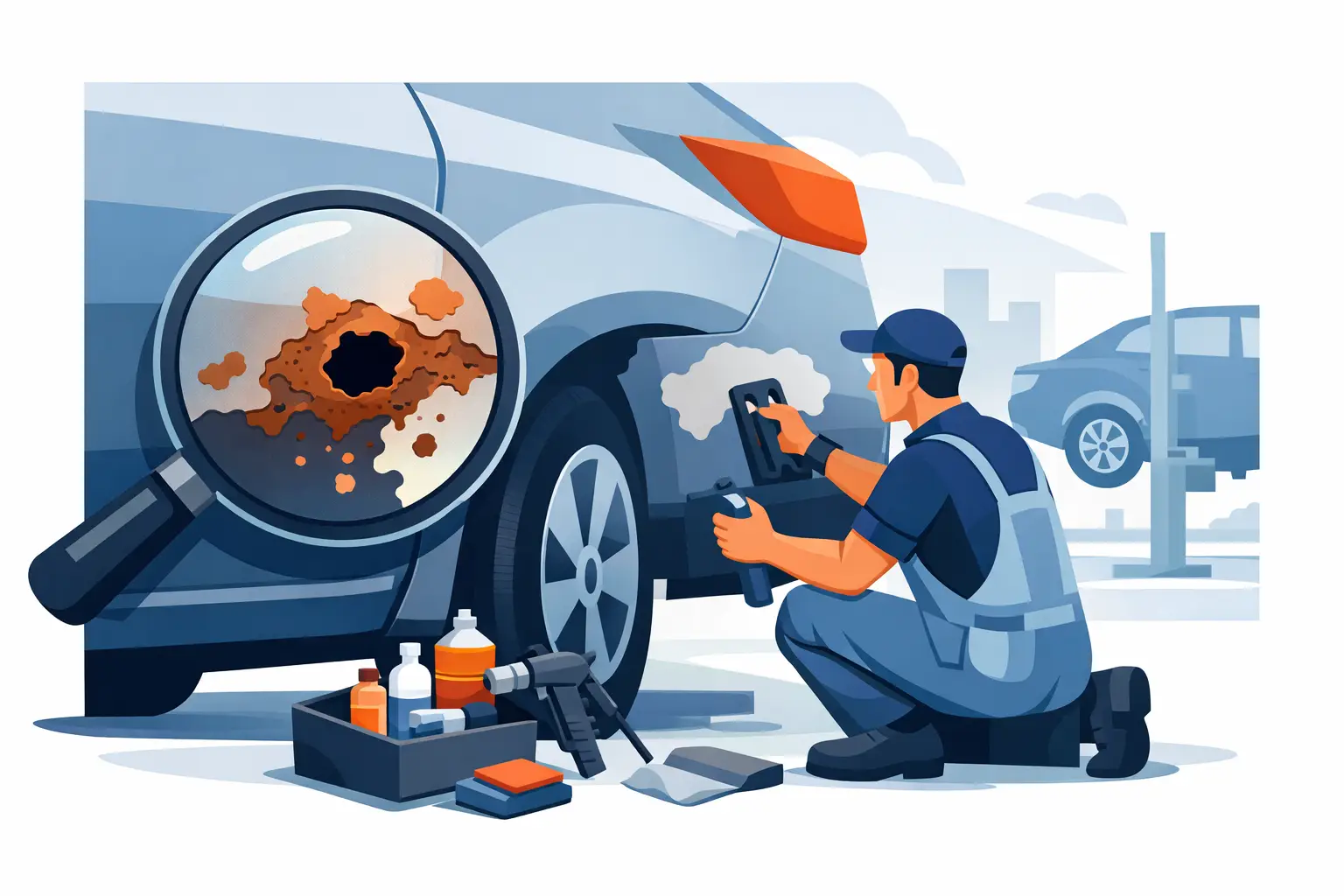
Rust repair needs more than filler and a quick repaint. The affected area must be properly treated, repaired and protected, otherwise the problem can return beneath the new paint. Previous accident repairs can also reveal poor preparation, excess filler or mismatched paint once work begins.
Ask what happens if the team finds rust or evidence of an earlier repair. A straight answer lets you decide whether to address it properly now or limit the work to the current damage. For long-term ownership, dealing with the cause is usually better value than covering it over.
8. Is the quote fixed, and what could change it?
A clear quote should outline the scope of work, including parts, labour, paint materials and any likely additional procedures. It should also identify the circumstances that could change the price, such as hidden damage, unavailable parts or extra repair work approved by you.
Do not be afraid to ask how approval works if more work is required. You should know whether the repairer will call you first, deal with your insurer or proceed under an agreed repair authority. Honest communication protects everyone from confusion.
9. Can you manage the insurance repair process?
After an accident, paperwork and assessor conversations can feel like another job on top of getting the car repaired. An insurer-friendly repairer can help provide photos, estimates and repair details, while keeping you informed about what has been approved.
You should still ask who is responsible for excess payments, approvals and any non-insurance work you choose to add. If you are paying privately, ask whether the repair can be staged or whether there are practical alternatives that maintain a safe, tidy result within budget.
10. How long will the repair take?
Turnaround time depends on the damage, parts supply, insurer approval and paint curing requirements. A bumper scuff may be handled quickly. Structural repairs, special-order parts or a full respray can take longer than expected.
Ask for a realistic timeframe rather than a promise that sounds good on the day. Also ask when the repairer will update you if timing changes. A workshop that communicates early is easier to trust than one that leaves you chasing answers while your car sits off the road.
11. Do you offer a courtesy car or help with transport?
Being without your vehicle can be a major hassle when you are managing school runs, work, appointments or family commitments. If you need transport, raise it before authorising the repair, not after the car has been dropped off.
Courtesy car availability, insurance conditions and booking requirements vary, so confirm the details in advance. If a courtesy vehicle is not available, a helpful repairer should still be upfront about expected downtime so you can organise another option.
12. What warranty stands behind the repair?
Ask what warranty applies to the workmanship, paint and replacement parts. The answer may differ between components, particularly if parts are supplied through an insurer or are subject to their own manufacturer conditions.
More than the wording of a warranty, listen for confidence in the repair process. Quality panel work should be carefully prepared, correctly aligned and finished with materials suited to the job. A proper repairer will stand behind their workmanship and tell you what to do if you notice an issue after collection.
Questions to Ask When You Collect Your Car
Collection day is the right time for one final walk-around. Check panel gaps, paint finish, trim fitment and the operation of doors, lights, windows, cameras and sensors relevant to the repair. Look at the paint from a few angles, ideally in natural light if possible.
Ask the repairer to explain what was completed and any care instructions for fresh paint. You may need to avoid harsh washing products, polishing or high-pressure washing for a short period while the finish fully cures. If warning lights were present before the repair or any were cleared during the work, confirm what has been checked.
Your car does not need a rushed patch-up after a collision. It needs careful assessment, straight answers and workmanship that restores its condition with pride. Ask the questions, expect clear communication and choose a repairer who treats the finished result as something you will notice every day.