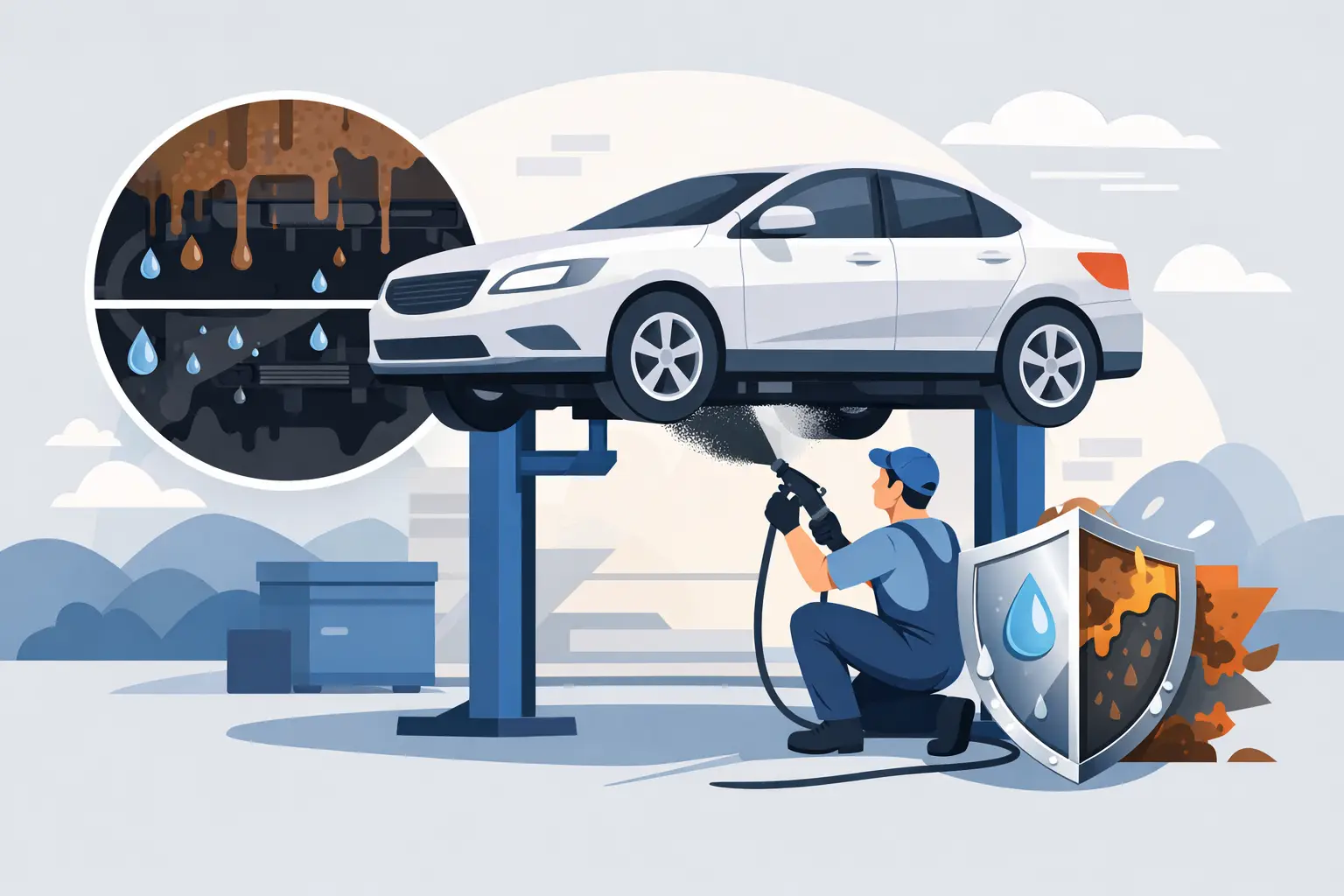
A clean-looking car can still be taking a beating underneath. Road grit, standing water, coastal salt and stone chips work away at wheel arches, seams, suspension mounts and the floorpan long before rust becomes obvious. So, does undercoating help prevent corrosion? Yes, when it is applied to a sound, properly prepared surface and treated as part of ongoing vehicle care rather than a one-off miracle fix.
For drivers who plan to keep their car, ute or SUV for years, quality undercoating is practical protection. It helps preserve the parts nobody sees every day, but that can become expensive to repair when corrosion takes hold.
How undercoating helps prevent corrosion
Corrosion needs a few basic ingredients: exposed metal, moisture and oxygen. Add salt, mud and road grime, and the process speeds up. Undercoating creates a protective barrier between the vehicle’s underside and those contaminants.
A properly selected coating can protect vulnerable areas such as the underbody, wheel arches, chassis rails, seams and lower panels from water spray and stone impacts. Some products stay flexible, which matters because a vehicle body moves and vibrates while driving. A brittle coating can crack, let moisture in and create the very problem it was meant to prevent.
Undercoating also reduces the damage caused by small stones flicked up from the road. Every chip in an exposed underbody coating is a possible entry point for moisture. By adding a tough, flexible protective layer, the metal and factory finish beneath it have a better chance of staying intact.
The benefit is most noticeable on vehicles regularly exposed to harsh conditions. That includes coastal driving, gravel roads, wet paddocks, boat ramps, work sites and areas where rainwater and mud are a normal part of the commute. Even city cars can benefit, particularly when they are parked outside or rarely cleaned underneath.
Undercoating is not a cover-up for existing rust
This is where the quality of the job matters most. Applying undercoating over active corrosion does not stop the rust. It hides it.
Rust can continue spreading beneath a coating if contaminated metal, trapped moisture or loose scale is left behind. From the outside, the area may look protected. Underneath, the steel can keep thinning until it needs major repair. That is why a quick spray-over can become false economy.
Before undercoating is applied, the underside needs to be inspected and cleaned thoroughly. Any loose rust, failing factory coating, mud, oil and road film must be removed. Areas with surface rust may need mechanical preparation, rust treatment and a suitable primer before the protective coating goes on. If corrosion has already created holes, weakened seams or damaged structural sections, proper rust repair comes first.
This is especially relevant around wheel arches, sills, jacking points and the lower edges of body panels. These areas collect dirt and moisture, and they can rust from the inside out. A professional inspection can identify whether the job is preventative maintenance or a repair project before money is spent on the wrong solution.
Which undercoating is right for your vehicle?
There is no single undercoating product that suits every vehicle or every condition. The best option depends on where and how the car is driven, its existing condition, and the sections being protected.
Rubberised and textured underbody coatings are often used on exposed lower surfaces because they help guard against stone chips and road spray. They can provide a neat, durable finish when applied over the correct prepared surface. They are not always the best answer inside cavities, however, where a thinner product is needed to creep into seams and overlaps.
Wax-based cavity protection is designed for enclosed areas such as doors, sills, chassis sections and internal seams. These products can displace moisture and reach places a thicker coating cannot. They may need checking and topping up over time, particularly on vehicles used in demanding conditions.
For work vehicles, older cars and vehicles travelling on gravel, a combination approach often makes the most sense: durable underbody protection for exposed areas, plus cavity wax for hidden sections. The goal is not to coat every component indiscriminately. It is to protect the areas that need it while keeping drain holes, service points, heat shields and moving parts clear.
Preparation makes the protection last
The best undercoating job starts with work most people will never see. The vehicle needs to be lifted safely, inspected and cleaned so the technician can assess the real condition of the underside.
A quality process usually involves washing away built-up grime, drying the surface, removing loose corrosion and addressing damaged sections before coating. Masking matters too. Exhaust components, brakes, suspension joints, sensors, drain points and areas that need future servicing should not be covered in product.
This attention to detail affects more than appearance. Coating over a leaking seal, a blocked drain or a mud-packed seam can trap moisture and make future repairs harder. A careful workshop will flag these issues rather than burying them under black coating.
At Fast Panel & Paint, the focus is on repair work that lasts, not simply making damage disappear from view. If the underside has corrosion or impact damage, the right order is assess, repair, prepare and protect. That approach gives the coating a solid foundation and gives you a clearer picture of your vehicle’s condition.
When undercoating may not be worth it
Undercoating is valuable preventative maintenance, but it is not automatically the right spend for every car. If a vehicle is nearing the end of its life, has widespread structural rust or requires major welding in several areas, it may be better to assess repair costs before investing in protective coatings.
It can also be unnecessary to apply a heavy aftermarket coating to a newer vehicle with excellent factory protection and gentle use. In that case, regular underbody washing, prompt chip repairs and periodic inspections may be enough. The decision comes down to condition, environment and how long you intend to own the vehicle.
Be cautious with extremely cheap undercoating offers. Price matters, but so does what is included. Ask whether the underside will be cleaned, whether rust will be treated, which areas are being coated and whether the workshop will identify existing corrosion. A lower quote can become costly if it simply seals in a problem.
Keep corrosion protection working
Once undercoating has been applied, it still needs sensible care. Wash the vehicle’s underside after beach trips, gravel-road driving or muddy work. Pay close attention to wheel arches and behind mudflaps, where damp debris tends to build up.
Have the coating checked if the car has been grounded on a kerb, scraped on rough tracks or damaged in an accident. A single exposed patch does not mean the whole job has failed, but it should be repaired before moisture works its way under the surrounding coating.
It is also wise to inspect the underside during routine servicing. A good look can reveal damaged coatings, leaks, blocked drains and early rust before they turn into panel or structural repairs. Prevention works best when small issues are dealt with while they are still small.
Is undercoating a good investment?
For many owners, yes. Undercoating can help retain the condition, safety and resale appeal of a vehicle by slowing the corrosion that quietly damages its underside. It is particularly worthwhile for cars exposed to salt, wet roads, gravel and regular outdoor parking.
The catch is simple: undercoating is only as good as the preparation beneath it. It will not repair rust, replace proper panel work or solve moisture trapped inside damaged seams. Done properly, though, it is a smart layer of defence for a vehicle you rely on every day.
If you are unsure what is happening beneath your car, start with an honest inspection. Catching corrosion early gives you more repair options, better value and a far better chance of keeping your ride solid for the road ahead.