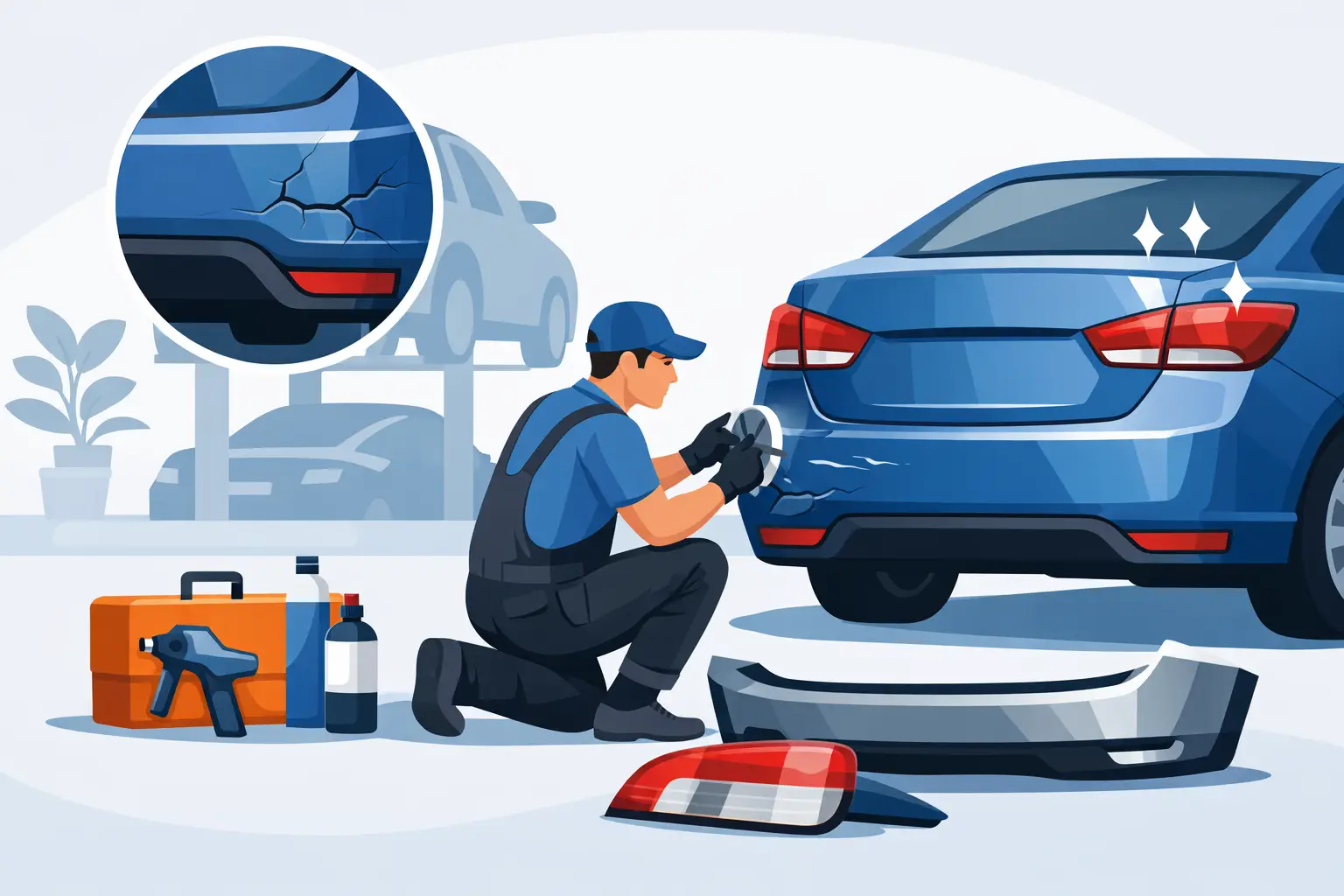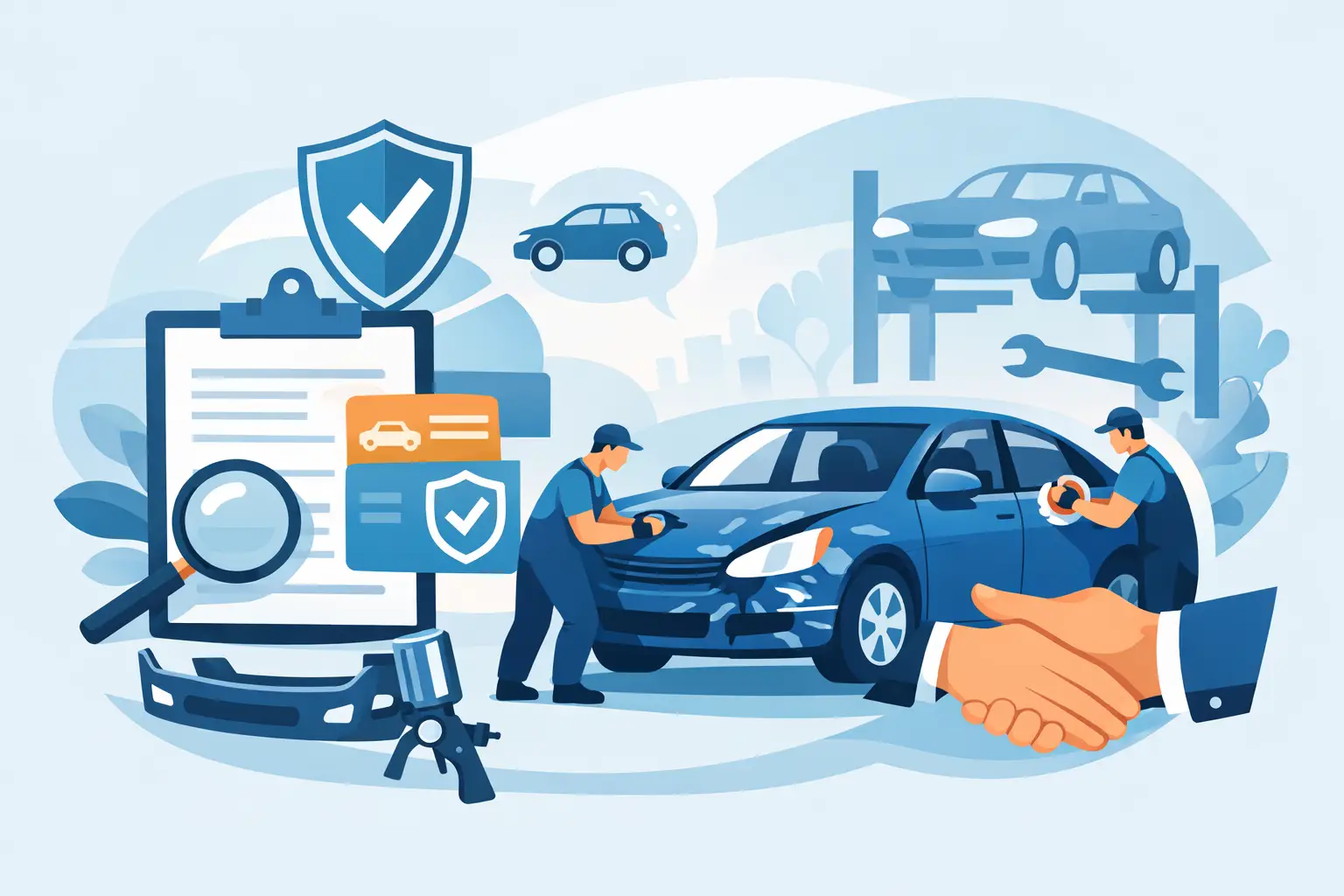
After an accident, most people want the same three things – a fair quote, a proper repair, and no run-around. That is exactly why insurance friendly body repairs matter. They are not just about fixing dents and repainting panels. They are about making the whole process easier when you are already dealing with damage, phone calls, excess payments, and time off the road.
When a repairer knows how to work with insurers, the job usually moves faster and with fewer surprises. Estimates are clearer, documentation is handled properly, and there is less back-and-forth over what needs to be repaired or replaced. For everyday drivers in Manukau, that can make a stressful situation feel a lot more manageable.
What insurance friendly body repairs actually mean
Insurance friendly body repairs are repairs carried out by a workshop that understands the insurance process as well as the repair process. That includes preparing detailed quotes, supplying photos and damage reports, responding to assessor questions, and repairing the vehicle to a proper standard using suitable methods and materials.
It does not mean the repairer cuts corners to please the insurer. A good shop does the opposite. It makes the claim process smoother while still protecting the quality, safety, and finish of the repair. The goal is to keep everyone aligned – customer, insurer, and repairer – so the vehicle is restored properly without unnecessary delays.
This matters because body repairs are rarely just cosmetic. A cracked bumper might hide broken mounts. A damaged guard might point to alignment issues. A scrape on the door may seem minor until the paint is stripped back and more damage appears. An experienced repairer knows how to spot these issues early and explain them in a way insurers can assess quickly.
Why the right repairer makes a big difference
Not every body shop handles insurance work well. Some are excellent at paint and panel work but slow on paperwork. Others produce a cheap quote that looks good on paper, then start adding costs once the job begins. That is where customers get frustrated.
A workshop that regularly manages insurance repairs knows how to quote accurately from the start. It understands what assessors need to see, how to document hidden damage, and when approval is required before the next stage of work begins. That experience saves time, but it also protects the customer from mixed messages.
Good communication is a major part of it. If your car is off the road, you want updates that make sense. You want to know whether the delay is due to parts, approval, paint curing, or extra damage found during dismantling. Clear communication does not fix the car by itself, but it does remove a lot of the stress.
Insurance friendly body repairs and repair quality
One concern drivers often have is whether an insurance repair will be as good as a private repair. The honest answer is that it depends on the repairer. Insurance friendly should never mean rushed, basic, or barely acceptable.
A quality repair still comes down to workmanship. Panels need to be straight. Gaps need to line up. Paint needs to match in colour, gloss, and texture. Structural areas need correct repair methods. Plastic parts need proper repair or replacement, not a quick patch that fails later.
That is why the best repairers focus on both process and finish. They work in a way insurers can deal with efficiently, but they also care about what the customer sees when the vehicle is back in the driveway. A repair is not finished just because the paperwork is approved. It is finished when the vehicle looks right, drives right, and holds up over time.
What the process usually looks like
Most insurance friendly body repairs follow a straightforward path, even if the details vary between insurers. The vehicle is inspected first, then a quote and supporting images are prepared. If the claim is already underway, those documents are sent through for assessment. If approval is needed, the repairer waits for that sign-off before major work starts.
Once approved, the vehicle is booked in for repairs. Depending on the damage, that may involve panel beating, parts replacement, plastic welding, paint preparation, refinishing, and reassembly. If hidden damage turns up after stripping parts off, a repair variation may need to be submitted. This is common, especially after impacts that look minor from the outside.
The key is that the workshop keeps the process moving and keeps the customer informed. You should not have to chase every update or guess where the job stands.
Where delays usually happen
Customers often assume a repair delay means the workshop is slow. Sometimes that is true, but often it is not. Parts availability is a common issue, especially for newer vehicles, imported models, or vehicles needing genuine components. Insurer approval times can also slow things down, particularly when additional damage is found mid-repair.
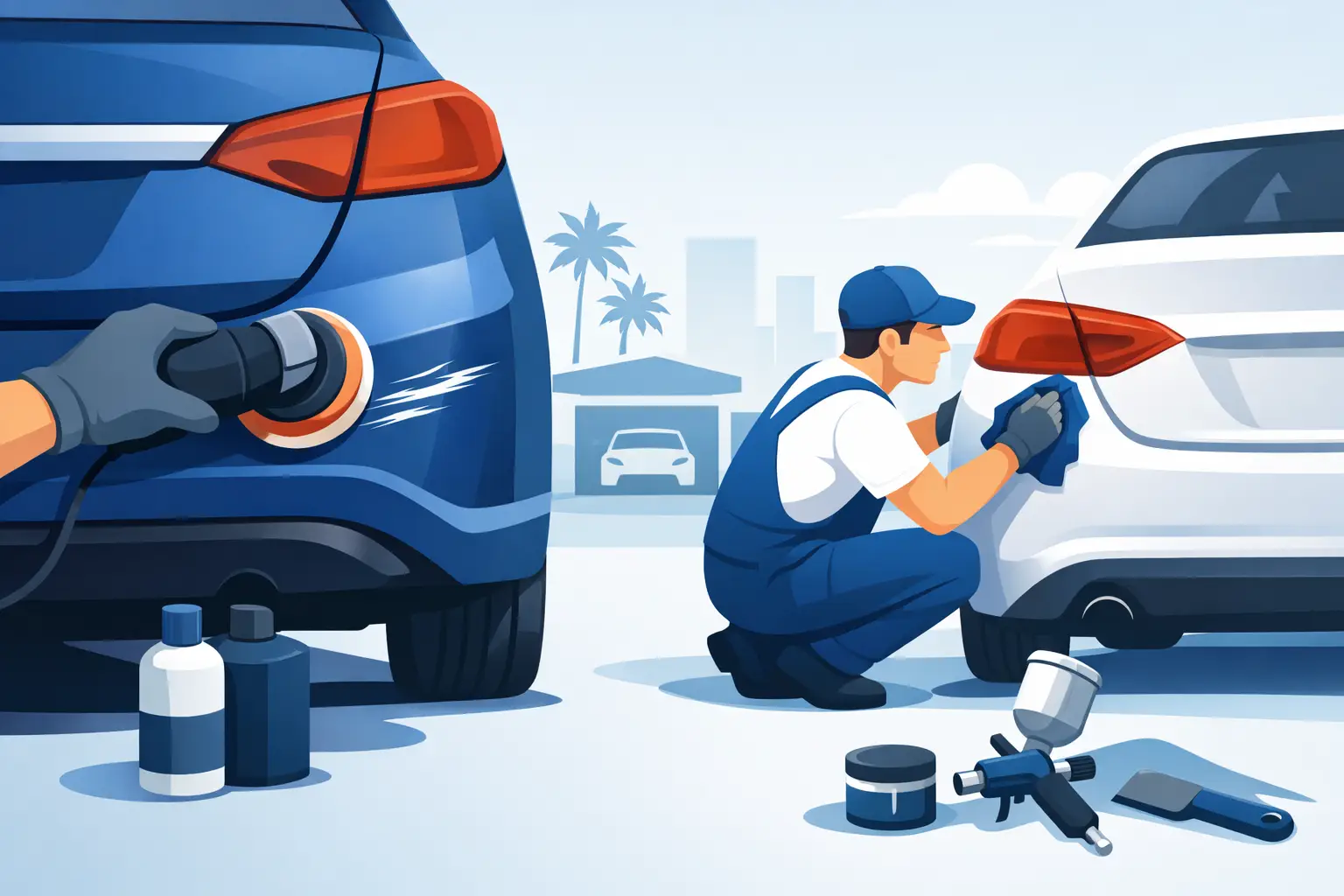
Paint work itself takes time if it is done properly. Surface prep, curing, blending into adjacent panels, and final finishing all affect the result. Rushing any of that can leave obvious defects. Fast turnaround matters, but not at the cost of a poor finish.
A reliable repairer will be upfront about these trade-offs. If a job can be turned around quickly without sacrificing quality, great. If it needs more time to get the right result, that should be explained clearly.
Choosing a repairer after an accident
If you have a choice of repairer, do not look at price alone. A lower quote does not always mean better value. Sometimes it means fewer repair steps, non-matched paintwork, or an approach that looks fine for a few months and then starts to show.
Look for a workshop that can explain the repair in plain language. Ask how they handle insurer communication, what happens if extra damage is found, and whether they use quality refinishing products and repair methods. You do not need a lecture on every technical detail, but you do need confidence that the car will be repaired properly.
It also helps to choose a local team that understands the value of service. In a place like Manukau, word travels fast. A workshop earns trust by doing what it says, keeping customers updated, and delivering visible quality at handover.
Insurance friendly body repairs for older cars
Older vehicles can be a bit different. If the damage is moderate and the market value is lower, insurers may weigh repair cost against the vehicle’s value more closely. That can affect whether repairs are approved in full, limited, or not approved at all.
This is where honest advice matters. A good repairer will tell you if a repair makes sense and where the money is best spent. In some cases, a high-end cosmetic repair on an older daily driver may not be necessary. In others, careful rust repair, bumper work, or paint refinishing can give the car several more solid years on the road.
Insurance friendly does not mean pushing every job through the same system. It means understanding the practical side of claims and helping customers make sensible decisions based on the car, the damage, and the budget.
Why local service still counts
There is a lot to be said for dealing with a repairer who treats your vehicle like it matters. When the team doing the work is focused on craftsmanship, honest quoting, and steady communication, the whole experience feels different. You are not just another claim number.
That is the real value behind insurance friendly body repairs. Yes, it is about smoother insurer coordination. But it is also about getting your car back in proper shape without confusion, inflated promises, or rough workmanship hiding under fresh paint. Shops like Fast Panel & Paint build trust by doing both sides of the job well – the repair itself and the customer care around it.
If your vehicle needs repair after an accident, look for a workshop that can handle the paperwork without losing sight of the finish. A good repair should ease the stress, not add to it, and you should be able to drive away feeling like your car was worth doing properly.