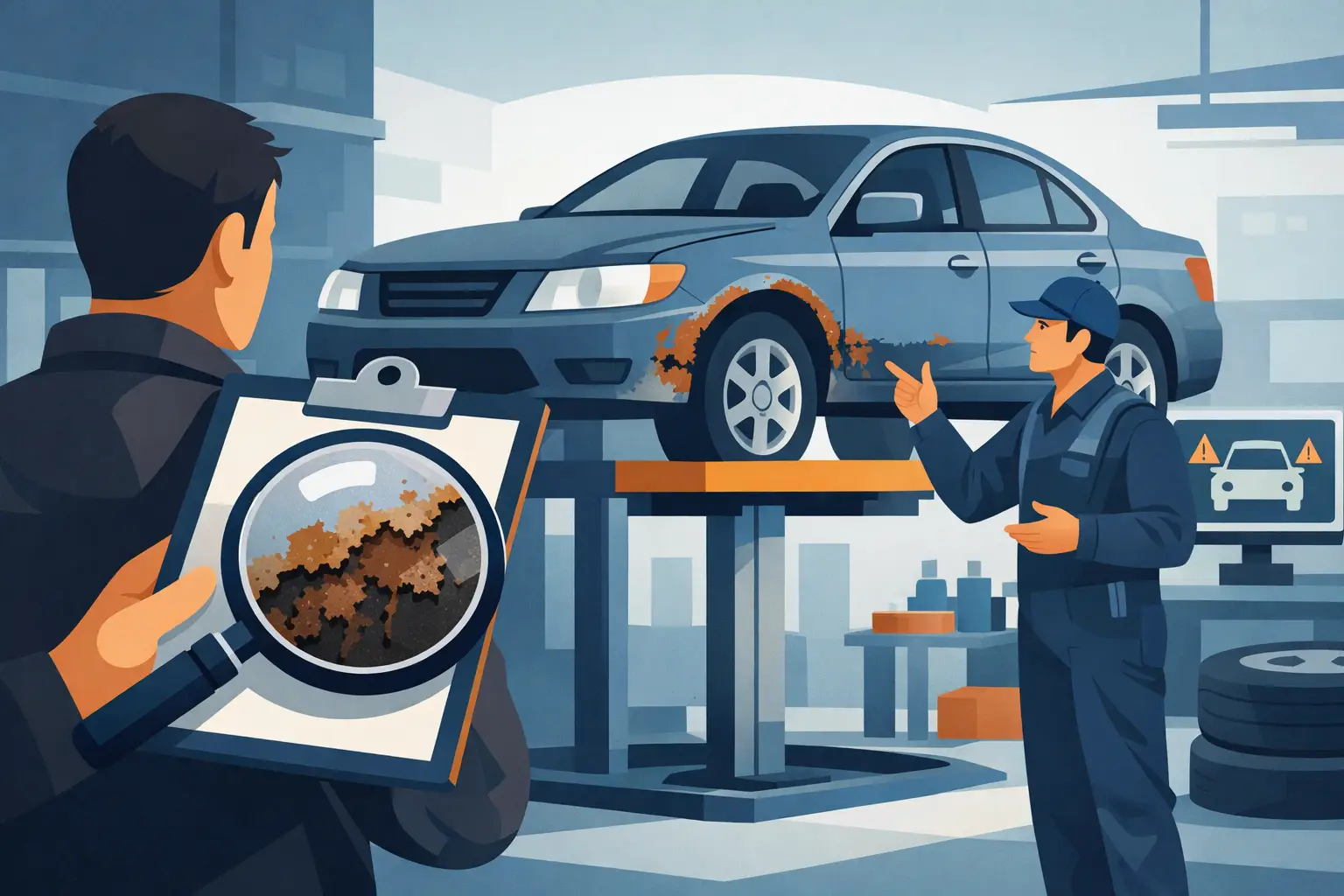
You book your WOF, expect a quick pass, then get told the car has failed because of rust. For a lot of drivers, that comes as a surprise. So, can rust fail a WOF inspection? Yes – and not just the obvious, ugly rust you can see around a wheel arch. If corrosion affects the strength, safety, or security of the vehicle, it can absolutely be enough to fail.
Can rust fail a WOF inspection in New Zealand?
It can, but the key issue is not whether rust looks bad. The issue is whether it affects a part of the vehicle that matters for safe use on the road. Surface rust and structural rust are not treated the same way, and that distinction matters.
A WOF inspector is looking at roadworthiness. That means they are not judging your car on appearance alone. If corrosion has weakened a structural area, created a sharp edge, affected a seatbelt anchorage, or compromised a mounting point, that is a real safety problem. In those cases, rust is not cosmetic anymore.
On the other hand, a small patch of light surface corrosion in a non-structural area might not fail the vehicle straight away. It depends on where it is, how deep it goes, and whether the metal underneath is still sound.
What kind of rust is most likely to fail a WOF?
The rust that causes the biggest problems is the rust that spreads into load-bearing or safety-related sections of the body. Think of areas around suspension mounts, chassis rails, sills, floors, door pillars, seat mounts, and seatbelt anchorage points. If those sections are weakened, the car may not protect you properly in a crash, and it may not handle as it should on the road.
Rust can also be a problem where it allows exhaust fumes, water, or road grime to enter the cabin through damaged floor sections or body seams. A hole in the floor might seem minor until it turns into a WOF issue because the surrounding metal is no longer secure.
Doors, guards, and outer panels can be a bit more of an it depends situation. If the rust is purely cosmetic and the panel still functions as it should, the outcome may be different from rust that has caused edges to split, latches to weaken, or mounts to deteriorate.
Surface rust versus structural rust
Surface rust usually sits on top of the metal. You might see discolouration, bubbling paint, or light flaking, but the panel still feels solid. That type of corrosion is still worth fixing early because it spreads, but it may not trigger a fail on its own.
Structural rust is different. This is where the metal has thinned, softened, holed, or separated. If you press the area and it gives way, or if rust has spread from inside a cavity and pushed through the outer skin, the damage is usually more serious than it first appears.
That is why a small bubble in the paint can sometimes hide a much bigger issue underneath. By the time rust is visible, it has often been active for a while.
Where inspectors usually find trouble
Some vehicles are more prone to rust in certain spots, especially older cars, imports, and vehicles that have had previous repairs done poorly. Common problem areas include the lower doors, around the windscreen, wheel arches, underbody seams, boot floors, and around the battery tray.
The more serious WOF failures tend to come from underneath the vehicle or around key mounting points. Rust in the floor pan near the driver or passenger seat, corrosion near the strut towers, or damage around suspension pick-up points can raise immediate red flags. These are not areas where patch-up work should be rushed or hidden with filler.
If the rust is near a seatbelt mount, the vehicle is likely to need proper repair before it can pass. That is because the belt is only as strong as the metal holding it in place.
Why rust repairs are not all the same
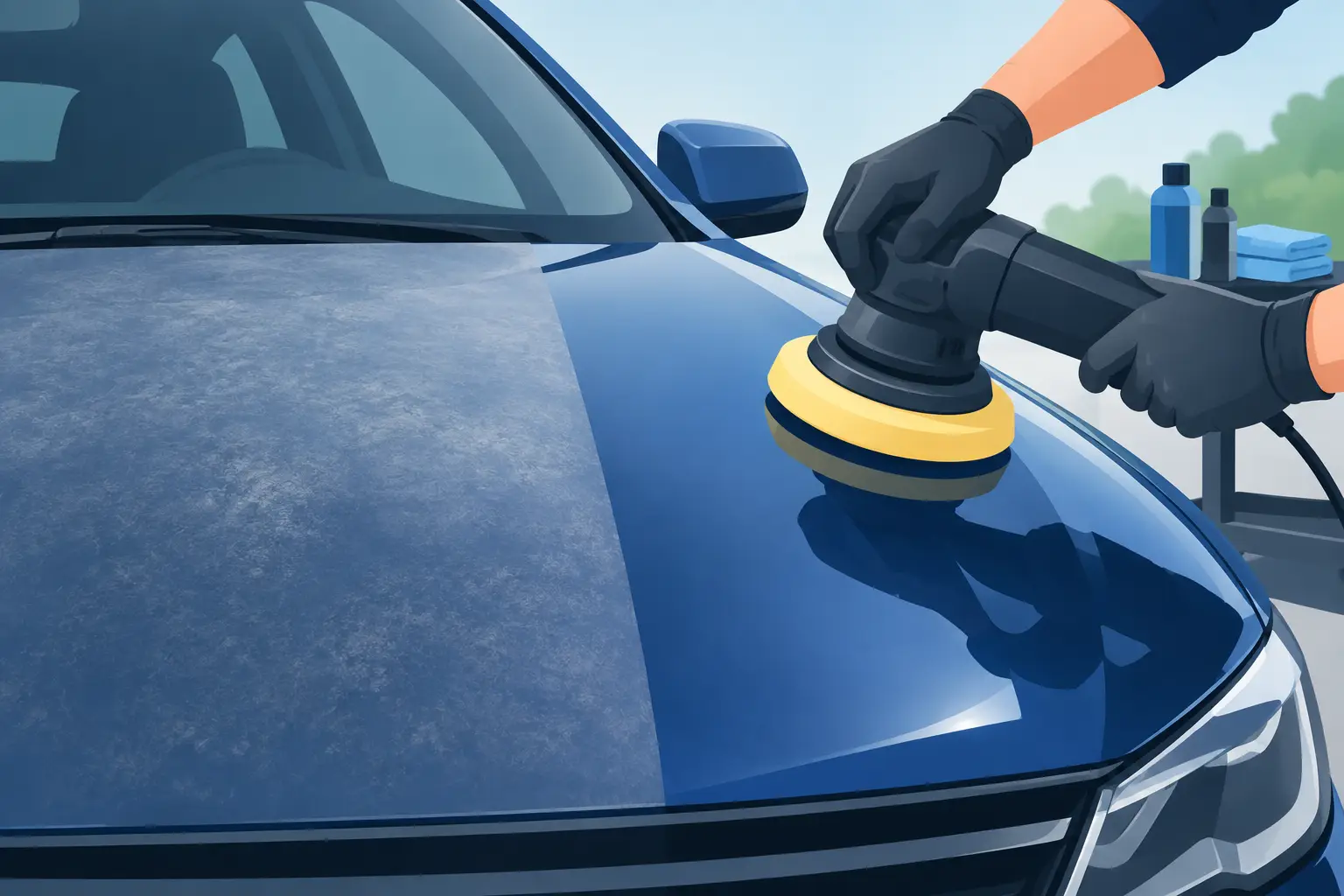
A lot of people hope rust can be sanded back, filled, painted, and forgotten. Sometimes that works for very early surface corrosion. Once rust has eaten into the metal, though, covering it up is not a repair. It is just hiding the problem.
A proper rust repair usually means cutting out the affected section, treating surrounding areas, welding in sound metal, sealing it properly, and refinishing the area so moisture cannot creep straight back in. If the job is done badly, the rust often returns around the edges or underneath the paint.
That is where experience matters. Clean-looking paint does not always mean solid metal underneath. A vehicle can look tidy from the outside and still fail a WOF because the structure has been compromised.
Can you drive with rust before getting it fixed?
Sometimes people keep driving because the car still feels fine. The trouble is rust does not stay still. It spreads, especially when water gets trapped in seams, under trim, or behind paint that has already lifted.
If the corrosion is in a structural section, waiting usually means the repair gets bigger and more expensive. A small localised repair can turn into a wider cut-out and replacement once the surrounding metal is inspected properly. What looked like a simple patch may actually involve rebuilding part of the panel or support section.
That is also why cheap repairs can cost more in the long run. If rust is not removed fully and the area is not sealed correctly, you may be back in the workshop much sooner than expected.
What to do if your car failed a WOF for rust
First, do not panic. A rust fail does not automatically mean the vehicle is beyond saving. It means the affected area needs proper attention before the car is considered roadworthy again.
Start by finding out exactly where the rust is and how serious it is. Some failures involve a clear localised repair. Others reveal wider corrosion once trims, liners, or underseal are removed. Getting the area assessed by a body repairer gives you a realistic picture of what needs to happen next.
If you are comparing quotes, make sure you are comparing the actual scope of work, not just the final price. One quote may include cutting out all affected metal and refinishing properly, while another may only cover a basic patch. The cheaper number is not always the better repair.
Is rust repair worth it?
That depends on the age of the car, its overall condition, and where the damage is. If the vehicle is otherwise reliable and the rust is still manageable, repair can be the smart move. If corrosion is widespread through multiple structural areas, the cost can climb quickly.
A good repairer should be upfront with you. If the rust is worth fixing, you want a clear plan and a durable result. If it is not economical, you deserve honest advice before spending money chasing a pass.
How to reduce the chance of rust coming back
Once rust has been repaired, prevention matters. Keeping drain holes clear, washing road grime off the underside, dealing with stone chips early, and fixing damaged paint before moisture gets in can all help. Underbody protection can also make sense, especially for vehicles exposed to coastal air or rougher conditions.
The biggest mistake is leaving small signs of rust until the next WOF. Bubbling paint, stains around seams, and flaking around the windscreen or arches are all early warnings. Catching corrosion early is usually the difference between a tidy repair and a major metal job.
For drivers around Manukau dealing with WOF rust issues, the best outcome usually comes from getting it checked before the inspection if you already suspect a problem. That gives you options, rather than being stuck with a fail and a deadline.
At Fast Panel & Paint, we see plenty of cars where the owner thought the rust was only cosmetic until the panel was opened up. The good news is that proper rust repair can restore both safety and appearance when it is handled the right way.
If you are wondering whether a rusty patch will pass, the honest answer is simple: if it affects strength, mounting points, or safe condition, do not gamble on it. Get it looked at early, fix it properly, and give your car the best chance of staying safe, solid, and on the road.