A WOF failure after you have paid for accident repairs is frustrating, especially when the vehicle looks tidy from the outside. When people search for repaired cars WOF, they usually want one clear answer: will the repair be safe, sound and acceptable when it is inspected? The answer depends on what was damaged, how it was repaired, and whether the work affects a safety-related area of the vehicle.
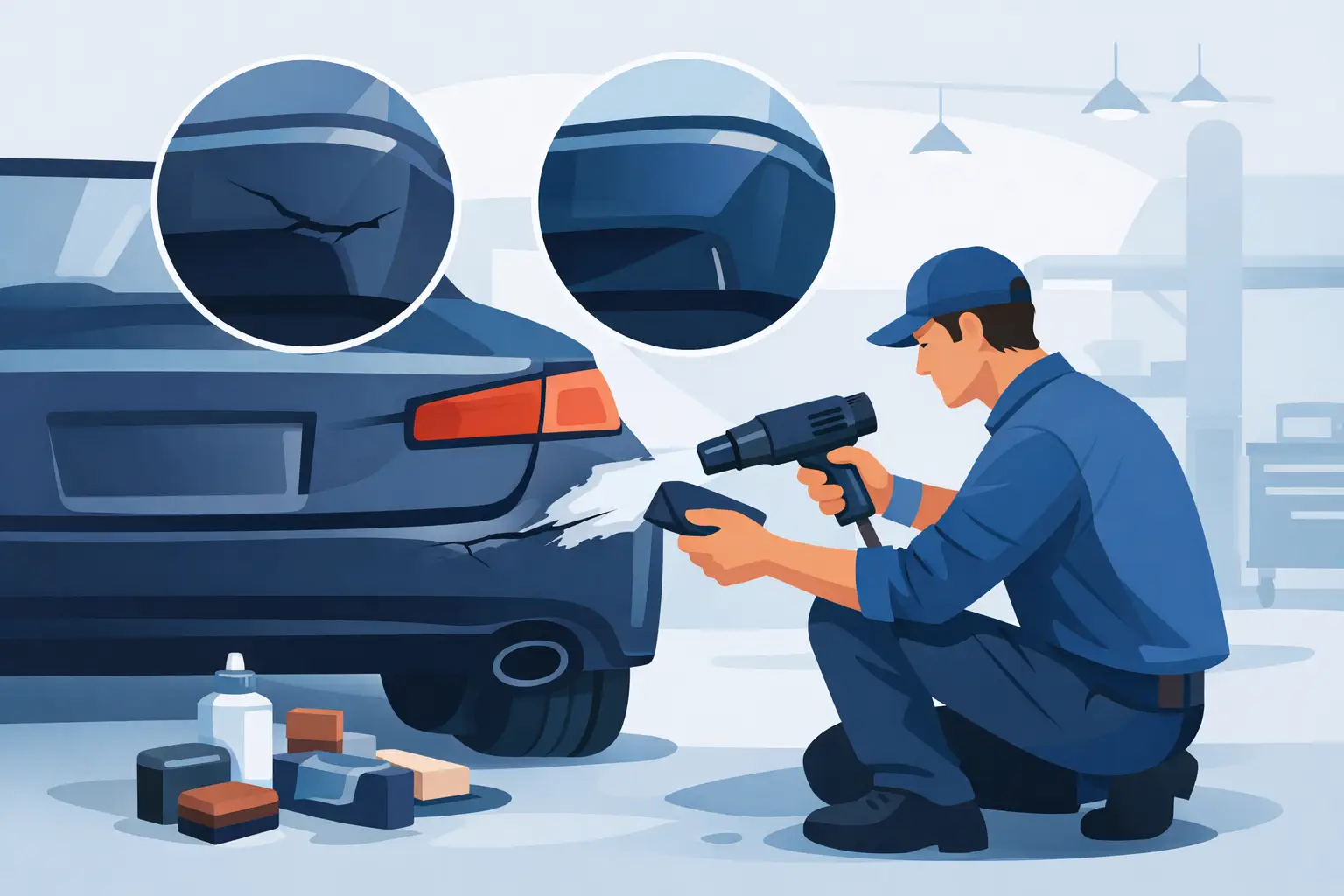
A good repair does more than make dents, scrapes and collision damage disappear. It restores the body properly, protects exposed metal from corrosion and makes sure the vehicle is safe to keep on the road. That is the standard worth aiming for, whether the job is a small bumper repair or major bodywork after a crash.
What a WOF inspector checks on repaired cars
A WOF inspection is not a full mechanical report and it is not a guarantee that every past repair is perfect. It is a roadworthiness check. Inspectors look for visible faults that could affect the safe operation of the vehicle, including damage, corrosion, loose parts and sharp edges.
For a car that has had panel and paint work, the areas most likely to attract attention are the body structure, rust repairs, doors, bonnet, boot, bumpers, lights, mirrors and windscreen. If an accident has affected suspension, steering, brakes or tyres, those items need to be right as well. A clean coat of paint cannot make an unsafe repair pass.
The key point is that a repair must be secure and suitable for the job. A bumper should be firmly mounted, not held in place with loose clips or temporary fasteners. A door must latch properly. A headlight must sit securely and aim correctly. If a panel edge has been damaged, it cannot leave a sharp projection that could injure someone.
Structural repairs need more than a visual tidy-up
Not every dent is structural. A crease in a door skin or a scuffed bumper can often be repaired without affecting the vehicle’s strength. Damage around chassis rails, pillars, inner guards, floor sections, seatbelt mounting points and suspension mounting areas is different.
These sections help the vehicle absorb impact and hold critical components in position. If they have been bent, cracked or poorly repaired, the issue may go beyond a standard WOF inspection and require the correct assessment or certification process before the vehicle can return to the road. The exact requirement depends on the damage and repair history.
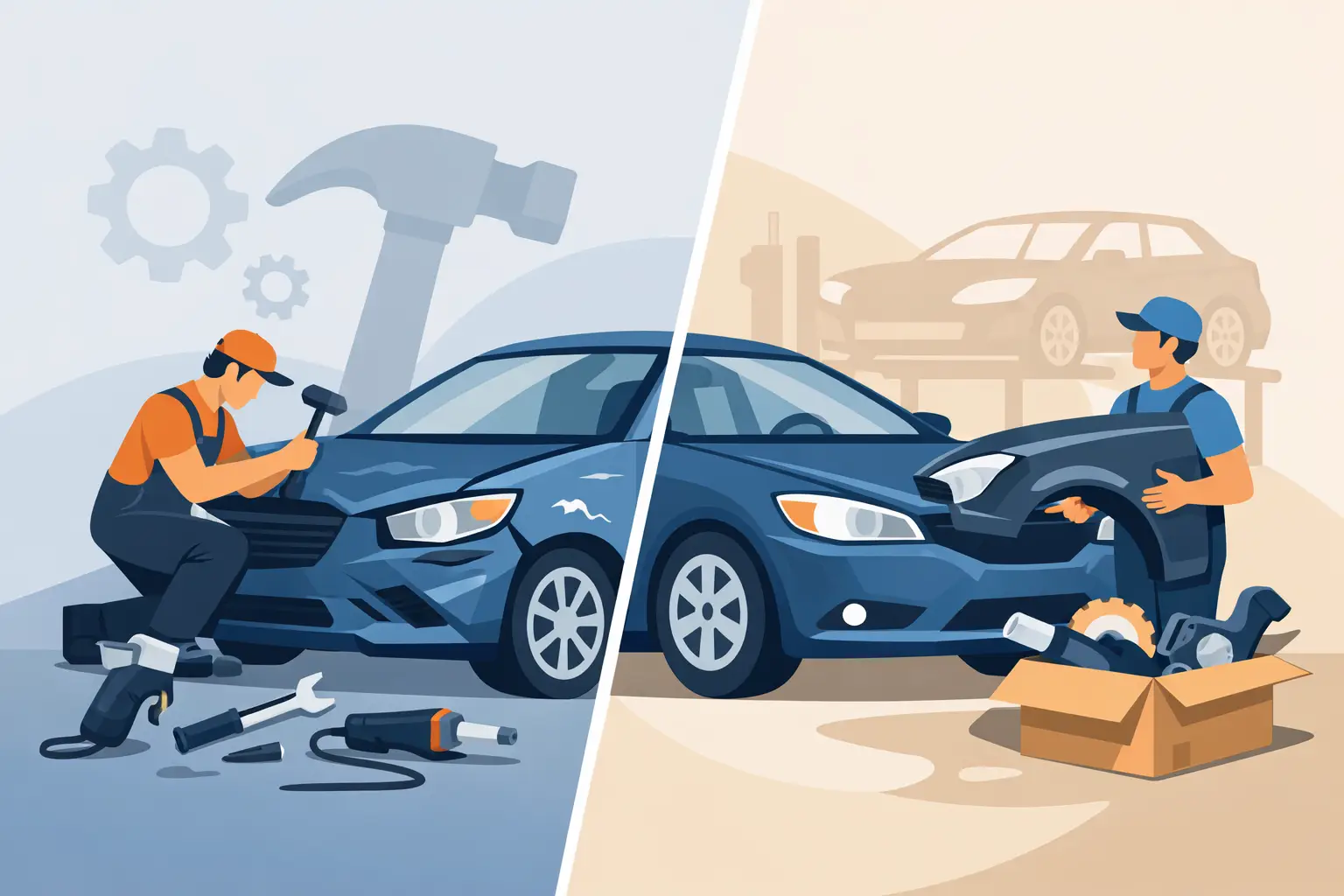
This is where cutting corners costs more. Filling over a distorted structural area may improve the appearance for a while, but it does not restore strength. Proper panel repair involves measuring, straightening where appropriate, welding or replacing damaged sections correctly, treating bare metal and refinishing the area for lasting protection.
Rust repairs and WOF requirements
Rust is one of the most common reasons repaired vehicles fail a WOF. Surface rust on a cosmetic panel is not always an immediate safety issue, but corrosion in the wrong place can weaken the body or compromise the mounting point for a key component.
Inspectors pay close attention to corrosion around seatbelt anchors, suspension mounts, steering components, chassis sections, floors and sills. Rust near door hinges, wheel arches and inner guards can also become a concern if it has spread or affected the panel’s integrity.
A proper rust repair starts by removing the affected metal, not simply covering it with filler or paint. The replacement section needs to be securely fitted, protected against future moisture and finished so it blends with the surrounding vehicle. Underbody sealing and cavity protection matter too, particularly on vehicles exposed to wet roads, coastal air or years of road grime.
Why fresh paint is not always enough
Fresh paint can make a car look revived, but a WOF inspector is checking more than shine. Paint over bubbling corrosion, cracked filler or an unstable repair is unlikely to solve the underlying problem. It may also make future repairs harder because the damage continues underneath.
If you can see bubbling along a sill, around a windscreen, near a wheel arch or at the bottom of a door, arrange an assessment before booking the WOF. Catching corrosion early is usually faster and more affordable than waiting until the metal has deteriorated further.
Common post-repair issues that can cause a WOF failure
After a collision, some faults are obvious. Others only show up when the car is driven, washed or inspected closely. A vehicle may look finished but still need a few final adjustments before it is genuinely road-ready.
Loose or damaged lights are a frequent problem. A cracked lens, moisture inside a lamp, a loose headlight bracket or incorrect headlight aim can all lead to trouble. If the bumper or front guard was repaired, check that lights, indicators and fog lights are firmly mounted and working as they should.
Panel alignment matters as well. Doors, bonnets and boots should open, close and latch securely. They should not pop open, rub badly or leave gaps that suggest the underlying mounting area has moved. Mirrors need to be secure and provide a clear view.
Windscreens are another area worth checking after impact. A chip or crack in the driver’s critical vision area can fail a WOF, and damage around the windscreen opening may point to deeper corrosion or collision issues. Do not ignore it because the rest of the bodywork looks good.
Finally, look underneath the car. Loose undertrays, hanging splash guards, exposed sharp edges and damaged wheel-arch liners may seem minor, but they can create a safety concern. A proper repairer checks the finish from every angle, not just the panels people see in a car park.
How to prepare a repaired car for its WOF
The best time to think about the WOF is before repair work begins. Tell the repairer if the vehicle is due for inspection soon or if it failed on body damage, rust, lights or loose components. That gives them a chance to assess the full issue rather than repairing only the most visible damage.
Before the WOF appointment, make sure the vehicle is clean enough for the inspector to see key areas. Test every exterior light, including indicators, brake lights, reversing lights and number plate lights. Check that doors and the boot latch without force, the bonnet catches safely, and the bumper is secure at each corner.
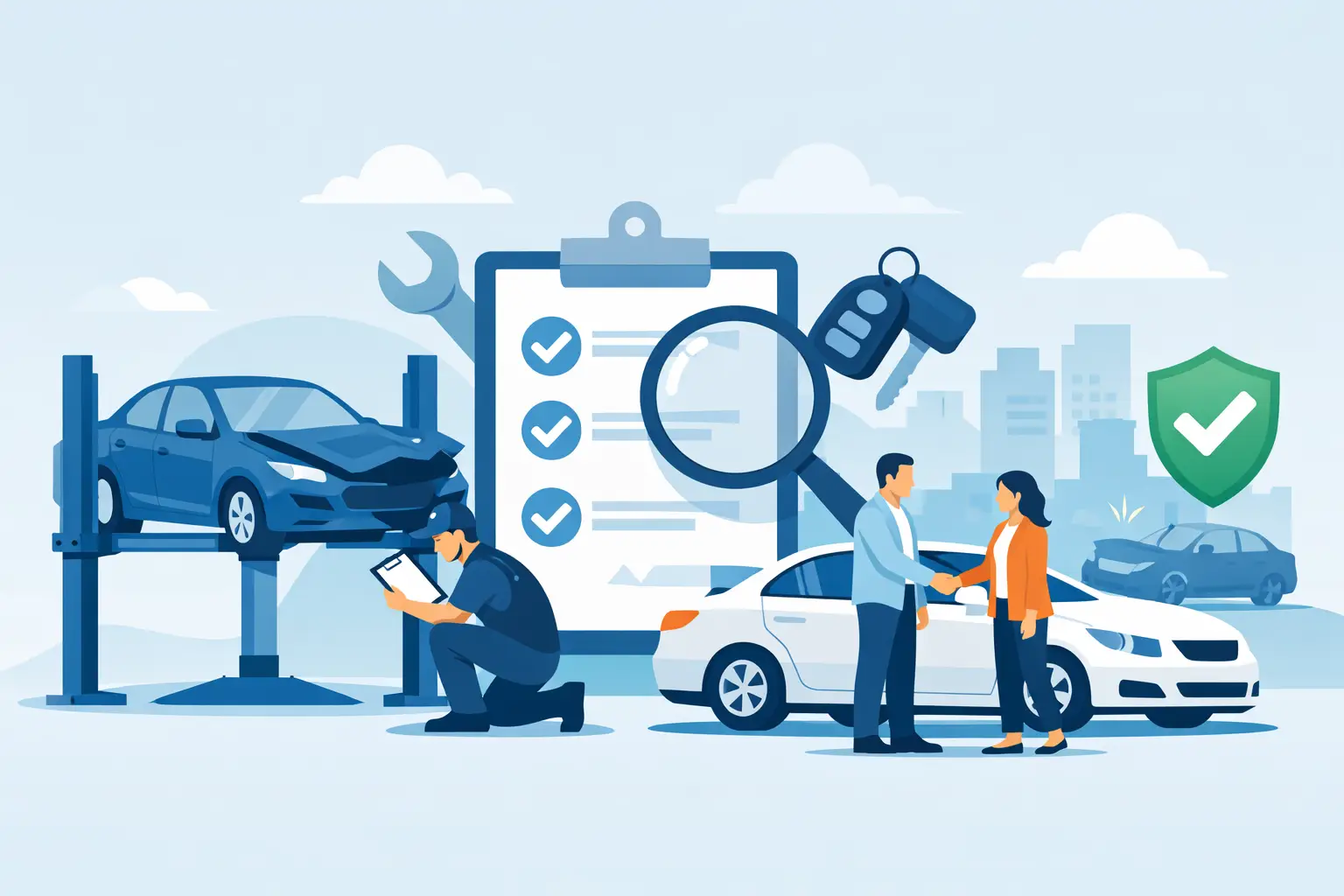
If there has been a bigger accident, ask direct questions. Was any structural area affected? Was the vehicle measured or assessed for alignment? Are there signs the repair could need specialist certification? Honest answers at this stage prevent avoidable delays later.
It also pays to separate cosmetic wants from safety needs. A small scratch may be worth living with for now. Rust near a suspension mount, a loose bumper or a damaged headlight is not. Put the safety-critical repair first, then plan the paint touch-up or polish work around your budget.
Choose repairs that last beyond the inspection
A WOF pass is the immediate goal, but it should not be the finish line. A repair done only to scrape through an inspection can leave you with rust returning, paint lifting or poorly aligned panels a few months later. It can also reduce confidence when it comes time to sell the car.
Quality collision and rust repair protects the vehicle’s value as well as its roadworthiness. The right preparation, correct materials and careful paintwork make the difference between a quick cover-up and a finish that stands up to daily driving. At Fast Panel & Paint, that means looking at the cause of the damage, explaining the practical repair options and completing work with the same care we would expect for our own vehicles.
If your car has recently been repaired or has failed on damage-related issues, do not guess at what the inspector might find. Get the questionable area checked before the appointment. A straight answer and a proper repair can save a return visit, protect your vehicle and keep you driving with confidence.