A scrape along the bumper or a dented door can look minor in the driveway. But a proper panel damage assessment guide starts with one simple truth: what you can see is not always the full repair. Modern vehicles have sensors, mounting points, plastic trims and safety systems behind the painted surface, so a good assessment protects more than your car’s appearance.
Whether you have had a car park knock, a low-speed collision or discovered rust under peeling paint, taking the right steps early can prevent a small repair becoming a larger, more expensive job. Here is what to check, what to photograph and when to bring your vehicle to a professional panel beater.
Start Safe Before You Inspect the Damage
If the damage happened in a crash, make sure everyone is safe before looking closely at the vehicle. Move out of traffic where possible, switch on your hazard lights and check for fluid leaks, smoke, damaged lights or loose parts. Do not drive the car if the steering feels wrong, a wheel is rubbing, warning lights appear, or a bumper, guard or bonnet is loose enough to cause a hazard.
Even after a light impact, take a moment to look at the gaps around the doors, bonnet, boot and bumper. Panels should sit evenly and open or close without catching. A door that suddenly needs a hard push, for example, may point to more than a surface dent.
The Panel Damage Assessment Guide: What to Look For
You do not need to be a technician to gather useful information. A careful visual check gives a repairer a clear starting point and helps you explain exactly what happened.
Paint damage and exposed metal
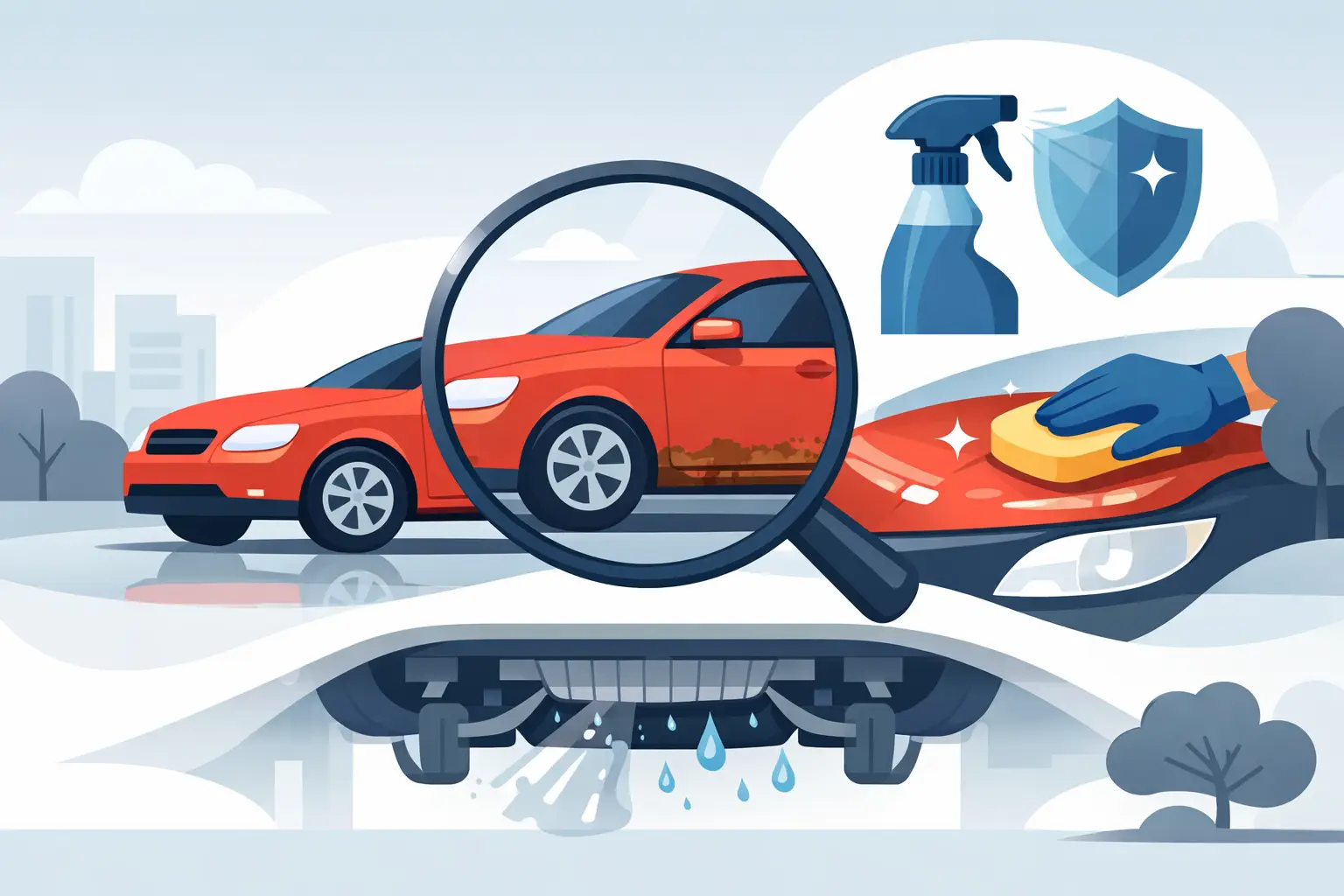
Look closely at scratches, chips and scuffs. If the damage has gone through the clear coat and colour layer to bare metal, it needs attention sooner rather than later. Moisture can reach the steel and begin corrosion, particularly around wheel arches, door edges and lower panels exposed to road grime.
A light scuff may polish out. A deeper scratch may need preparation, colour matching and refinishing. The difference matters because touch-up paint can reduce the look of a small chip, but it will not repair distorted metal or restore a damaged clear coat properly.
Dents, creases and stretched panels
A shallow dent with intact paint may be suitable for paintless dent removal. This can be an excellent option when access behind the panel is available and the metal has not stretched or sharply creased.
A crease is different. Sharp impact lines, dents on body lines and damage near panel edges often need panel beating, filler work and paint. Trying to force a crease out without the right tools can stretch the panel further and leave a wavy finish in certain light.
Gaps, alignment and broken mounts
Stand back and compare the damaged side with the other side of the vehicle. Check the gap between the guard and door, bumper and headlights, bonnet and guards, and boot and rear quarter panels. Uneven gaps can indicate a shifted panel, broken bracket or damage beneath the outer skin.
Bumpers are especially easy to underestimate. They may spring back after impact while clips, guides, absorbers or mounting tabs behind them are cracked. A bumper that looks almost normal but sits proud at one corner deserves a professional inspection.
Lights, sensors and electrical features
Check headlights, tail-lights, indicators, reversing lights and fog lights. If your vehicle has parking sensors, a reversing camera, blind-spot monitoring or radar-based safety features, test them as well. A damaged bumper can interfere with sensor position, and repairs may require calibration after refitting.
Pay attention to warning lights on the dashboard. They are not something to ignore simply because the outer panel damage looks minor. A quality repair should restore both the finish and the systems that support safe driving.
Tyres, wheels and suspension clues
Damage around a wheel arch needs extra care. Look for a flat tyre, a scuffed wheel, fluid on the ground, a steering wheel that no longer sits straight, or pulling while driving. These signs can point to suspension, alignment or steering damage rather than a panel repair alone.
Do not judge the vehicle only by whether it still drives. It may be drivable while still needing alignment checks or structural assessment. Getting this sorted promptly can protect tyre life and prevent uneven handling.
Photograph the Vehicle Properly
Clear photos support an accurate quote and make the insurance process easier. Take wide shots showing the whole vehicle and its registration, then photograph each damaged area from several angles. Include close-ups of scratches, dents, cracked plastic, panel gaps and any broken trim.
Photograph the surrounding area too. For example, damage on the front corner may relate to the bumper, headlight, guard and wheel arch liner. Pictures taken in good daylight are usually more useful than one dark, close-up image.
Write down the date, location and a short description of what happened while it is fresh. If another vehicle was involved, exchange the required details and keep all claim information together. Avoid washing away paint transfer, debris or other evidence before it has been documented.
Why a Quote Needs More Than a Quick Look
A transparent repair quote should explain the visible work and allow for inspection once damaged parts are removed. This is not a workshop trying to create uncertainty. It is the reality of collision repairs: clips, brackets, reinforcements and inner panels can only be properly checked after the outer component comes off.
A good assessment considers the repair method, the condition of adjacent panels, colour matching requirements and replacement parts where needed. It also considers the finish. Repainting a single panel may require blending colour into nearby panels so the repaired area does not stand out in sunlight.
The cheapest quote is not always the best value if it skips correct preparation, uses poor-quality materials or leaves damaged mounts in place. On the other hand, not every dent needs a full panel replacement. An honest repairer will explain when repair, paintless dent removal or replacement makes the most sense for your vehicle and budget.
Repair, Replace or Paintless Dent Removal?
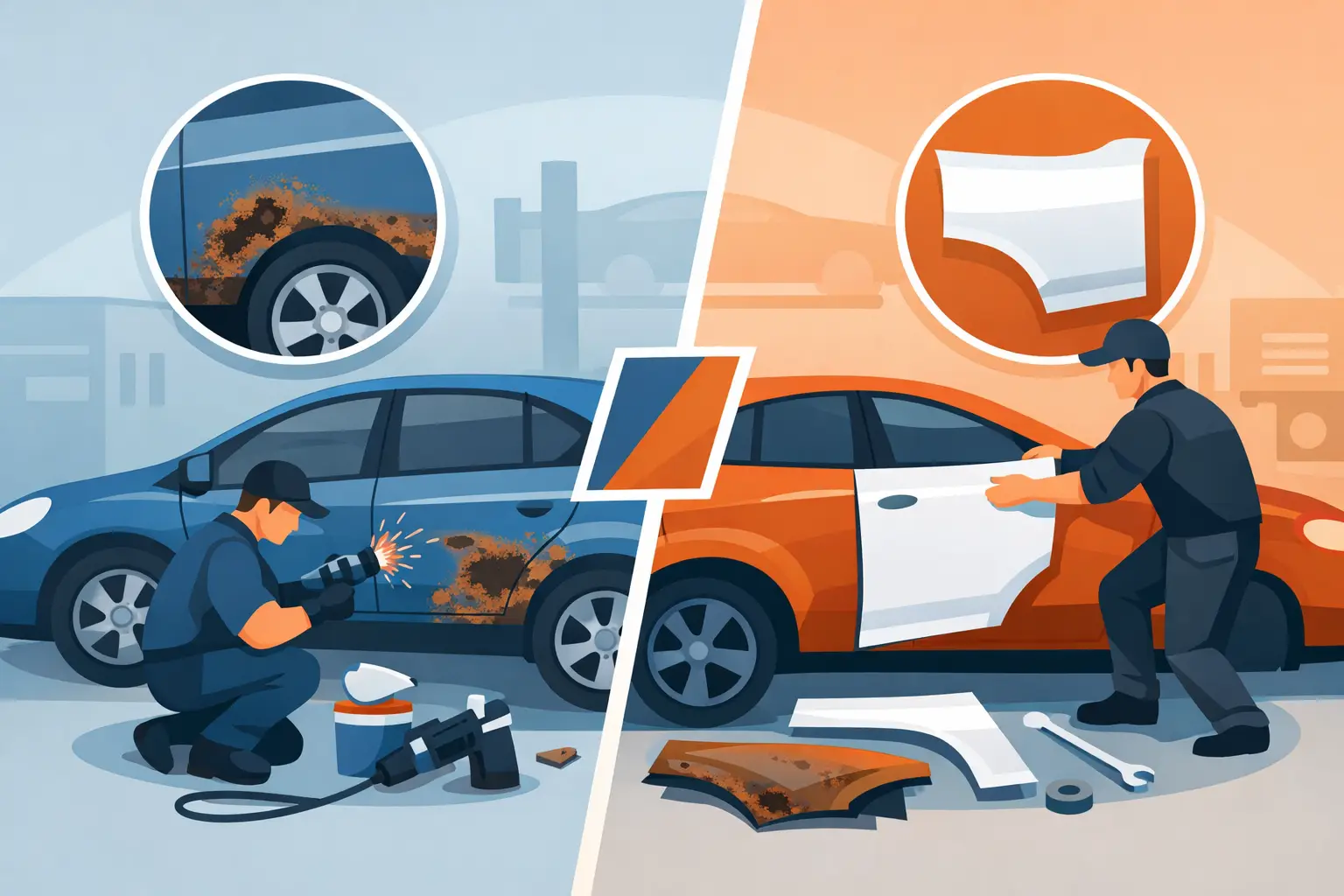
The right choice depends on the location and severity of damage, the material involved and the standard of finish you expect. Steel and aluminium panels behave differently. Plastic bumpers may be repaired with specialist plastic welding, while severely torn or distorted components may be better replaced.
Paintless dent removal works well for selected dents where the paint remains unbroken. It avoids refinishing and can save time, but it is not the answer for every impact. Repairs that have cracked paint, sharp creases or damage close to an edge usually need conventional body repair and painting.
Rust is another case where cutting corners costs later. Surface rust may be treated if caught early. Rust that has spread beneath the paint or through the panel needs the affected material removed and properly repaired. Covering it with filler or paint alone may look tidy for a short time, but the corrosion continues underneath.
Dealing With Insurance Without the Runaround
If you are making an insurance claim, provide the insurer with accurate photos, incident details and the quote or assessment they request. Ask what excess applies, whether they have an approved repair process and whether additional damage found during repairs requires authorisation.
You should also ask how updates will be handled. Parts availability, insurer approval and hidden damage can affect timing, so clear communication matters. A workshop experienced in insurance coordination can help keep the process moving while keeping you informed about what is happening to your car.
At Fast Panel & Paint, the goal is straightforward: assess the vehicle properly, explain the work in plain language and restore the finish with care. That means no guesswork around visible damage and no surprises where they can be avoided.
When to Book an Assessment
Book a professional assessment promptly if paint is broken, metal is exposed, a panel is loose, lights or sensors are affected, or the vehicle does not drive as it did before the impact. The same applies to rust spots, even small ones. Early repair often means less preparation, less spread and a better long-term result.
For purely cosmetic scuffs, you may have more flexibility, but do not assume they are harmless if the bumper has moved or the damage sits near a sensor. A short inspection can give you certainty before you commit to a repair plan.
Your vehicle does not have to be written off visually to deserve proper workmanship. Get the damage checked, ask clear questions and choose a repair path that brings back both the look of your ride and your confidence behind the wheel.