A scraped bumper in the supermarket car park, a dented guard after a tight driveway turn, or collision damage that’s taken the shine off your car – this is where panel beating earns its keep. It’s not just about making damage less obvious. Done properly, panel beating restores the shape, finish and integrity of your vehicle so it looks right, drives right and holds its value.
For many drivers, body damage sits in that awkward space between cosmetic and serious. A crease in a door might seem minor until paint starts cracking, rust creeps in, or the panel no longer lines up cleanly. After an accident, the issue can go further than appearance. What looks like a bent panel on the outside may involve mounting points, structural sections, plastic components or paint systems that all need proper attention.
What panel beating actually involves
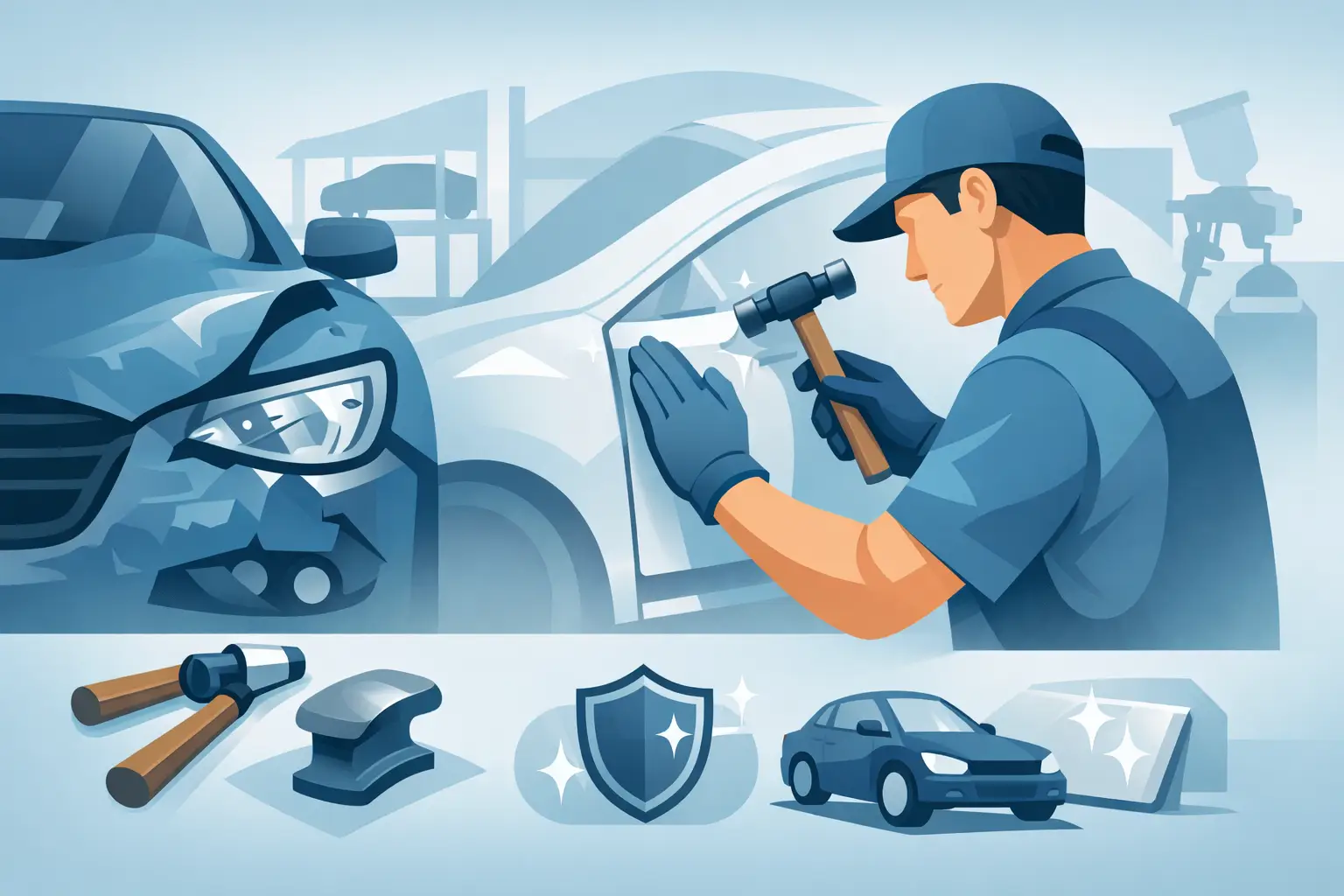
Panel beating is the repair and reshaping of damaged vehicle body panels after dents, impacts, scrapes or collision damage. That can include steel, aluminium and plastic components, depending on the vehicle and the area affected. The goal is to return the panel as close as possible to its original condition before paint refinishing completes the job.
In practice, that means more than hammering out a dent. A quality repair often includes assessing hidden damage, pulling and straightening panels, repairing or replacing damaged sections, treating any exposed metal, preparing surfaces correctly, matching paint and finishing the vehicle so the repair blends in with the rest of the body.
Good panel beating is equal parts skill and judgement. Some damage can be repaired efficiently and keep costs down. Some panels are too stretched, torn or distorted and are better replaced. The right choice depends on the severity of the damage, the type of panel, the age of the car and the result you want.
When panel beating is the right repair
A lot of customers ask the same question: does this need a proper repair, or can it be tidied up? The answer depends on the damage.
Small dents and everyday knocks
Minor dents from car doors, shopping trolleys or low-speed bumps can often be repaired without major replacement work. If the paint is still intact, paintless dent removal may even be possible in some cases. If the dent has cracked paint, stretched the metal or sits on a difficult body line, conventional panel beating and refinishing usually gives the better result.
Collision damage
After a road accident, even a moderate hit can affect more than one area. A damaged bumper might also mean bent supports, broken clips, shifted guards or misaligned panels. Proper panel beating brings those parts back into line so gaps are even, fittings are secure and the vehicle presents as it should.
Rust and ageing bodywork
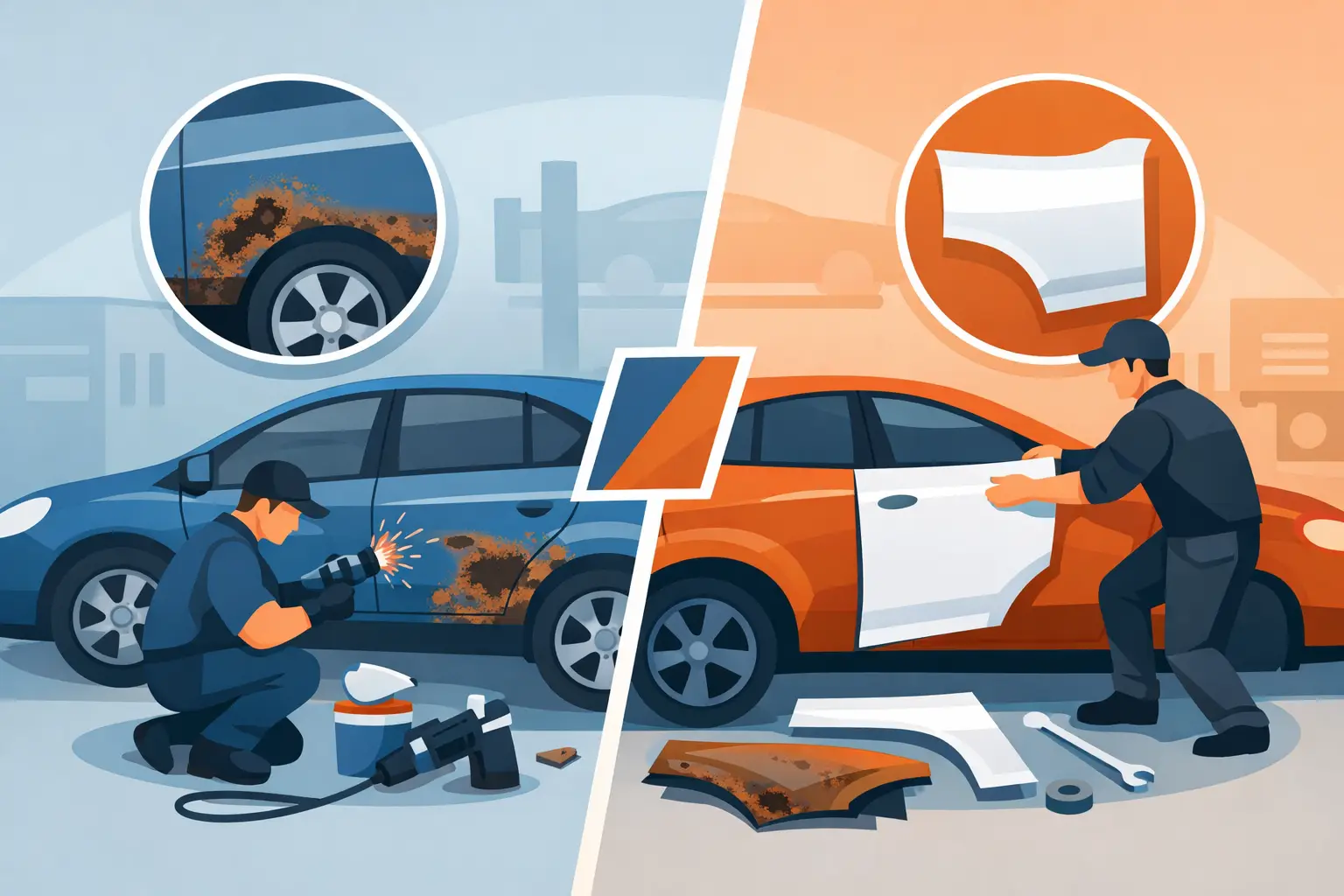
Rust repair is often part of panel work, especially on older vehicles. Surface rust may be manageable if caught early, but rust that has eaten through metal needs more than filler and paint. It needs the affected section repaired or replaced properly, then sealed and refinished to stop the problem returning too soon.
Why panel beating matters beyond appearance
Anyone can see the value of a tidy finish. What people sometimes miss is how much a proper repair affects the way a vehicle lasts.
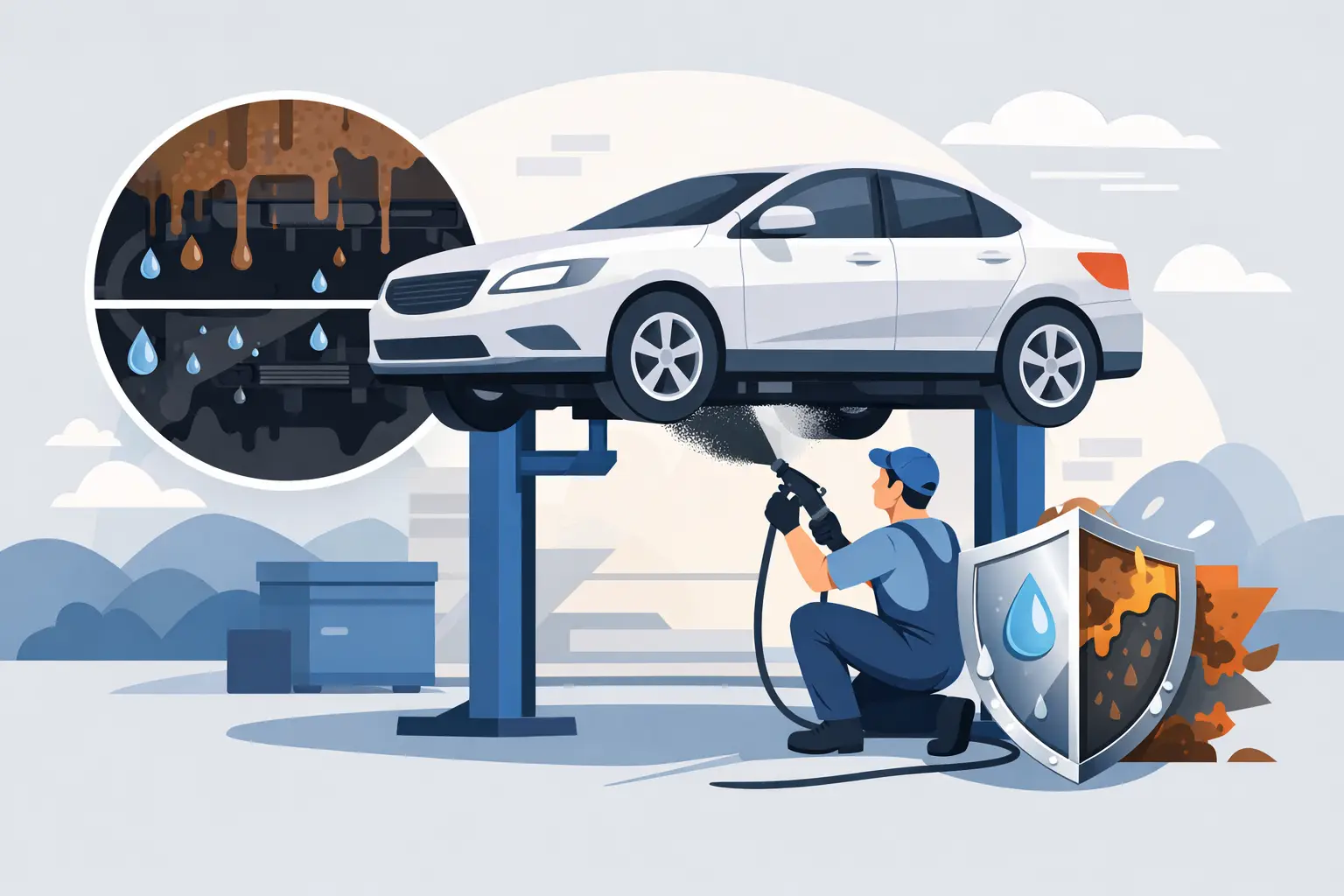
Panel alignment matters because badly fitted parts can rub, hold water or create wind noise. Damaged paint matters because once the protective layer is broken, moisture and contamination can get to the metal underneath. Structural accuracy matters because crumple zones, mounting points and surrounding components all work together in a future impact.
There’s also resale value to think about. A car with visible dents, poor colour matching or uneven panel gaps looks neglected, even if it runs well mechanically. A well-repaired vehicle gives buyers more confidence and helps you protect the money you’ve already spent on the car.
What separates a proper repair from a quick patch-up
This is where quality really shows. Two cars can look similar from ten metres away, but the difference becomes obvious in bright light, wet weather or six months down the track.
A proper repair starts with a clear assessment. The damaged area needs to be checked for movement, cracking, hidden bends and paint failure. From there, the repair method should suit the panel and the severity of the damage. Rushing straight to filler is rarely the best approach if the panel can still be reshaped correctly.
Preparation is another big one. If surfaces aren’t cleaned, straightened and primed properly, the final paint finish won’t last as it should. You may end up with sinkage, poor adhesion, uneven reflections or colour mismatch. Skilled tradespeople take the time to get the panel straight before paint goes anywhere near it.
Then there’s the finish. A flawless result isn’t only about colour match. It’s also about texture, gloss level and how the repaired section sits against adjacent panels. The job should not draw attention to itself.
The role of paint in panel beating
Panel work and paint go hand in hand. Once the damaged panel is repaired, the paint system protects it and completes the appearance of the vehicle.
Modern paint repair is a careful process. The surface is prepared, primed and refinished using materials designed to bond properly and last. Matching the existing colour takes experience, especially on metallics, pearls and older finishes that have faded over time. It’s one reason a cheap quote can end up expensive if the colour is off or the finish fails early.
For customers, the practical point is simple: the repair should look right now and keep looking right later. That means using quality materials and not cutting corners on prep or curing time.
Panel beating after an insurance claim
If you’re dealing with accident damage, the repair process can feel like a headache before the work even starts. Quotes, approvals, photos, excess, timelines – it adds up quickly.
A workshop that understands insurer-friendly repair coordination can make a real difference. Clear quoting, proper documentation and regular updates keep things moving and cut down the back-and-forth. Just as importantly, you want a repairer who still treats the car like it’s their own work leaving the shop, not just another claim file to process.
That balance matters. Fast turnaround is valuable, but not if speed comes at the expense of finish or fit. The best repair process is efficient, honest and careful at the same time.
Choosing a panel beater in Manukau
If you’re comparing repairers, don’t just ask how much. Ask how the damage will be repaired, whether replacement is necessary, how the paint will be matched and what communication you can expect during the job.
A trustworthy workshop will explain the repair in plain language. They’ll be upfront about what can be fixed, what should be replaced and where the cost sits. They should also be realistic about timing. Most customers would rather hear an honest timeframe than be promised a rush job that keeps getting pushed out.
Local service matters too. When your car is off the road, convenience, communication and follow-through all count. In a busy area like Manukau, people want workmanship they can rely on without inflated pricing or vague answers. That’s why many drivers look for a repairer who combines solid trade skill with straightforward customer service.
At Fast Panel & Paint, that’s the standard we believe in – quality repairs, honest quotes and finishes you can see the value in the moment you pick up your keys.
Is repair always better than replacement?
Not always. Sometimes repairing the original panel is the smartest option because it keeps costs manageable and preserves factory fit. Other times, replacement is more practical, especially if the panel is badly torn, heavily rusted or has lost its shape beyond a reliable repair.
This is where experience counts. The cheapest path upfront isn’t always the best long-term result, and the most expensive option isn’t automatically necessary either. A good panel beater weighs cost, safety, finish and durability before recommending the right approach.
If your car has dents, scrapes, rust or collision damage, the real question isn’t whether you can live with it for a few more months. It’s whether the damage is likely to spread, devalue the vehicle or turn into a bigger repair later. Getting it looked at early usually gives you more options – and better ones.