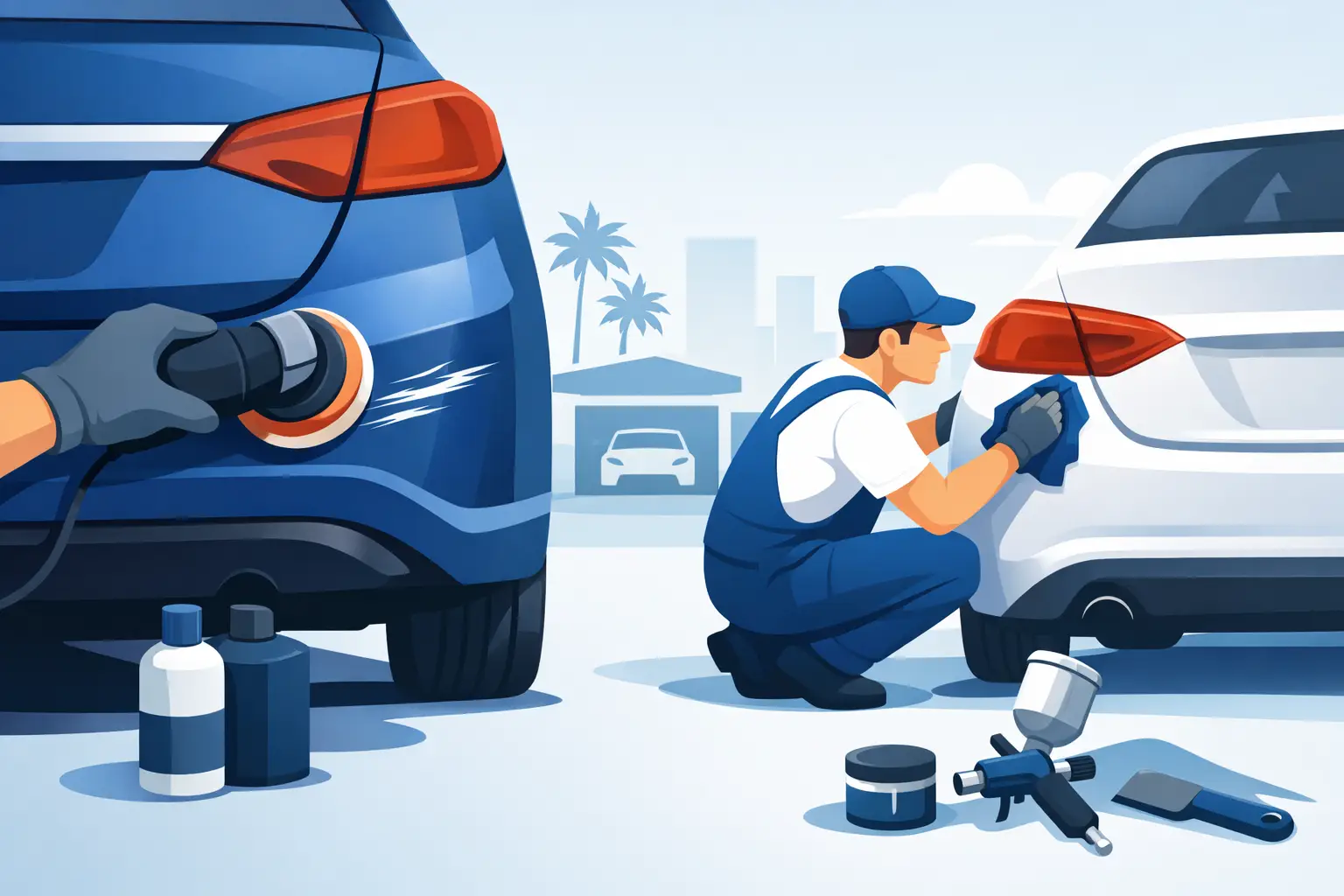
A glossy finish can make a ten-year-old car look cared for, while neglected paint can make a newer vehicle look tired fast. Harsh sun, road grime, coastal salt, tree sap and supermarket car park scratches all take their toll. Knowing how to protect car paintwork is less about expensive products and more about using the right routine before small marks become bigger repair jobs.
Start With a Proper, Paint-Safe Wash
Paint protection starts with clean paint. Dirt and dust may look harmless, but they contain fine grit that can scratch clear coat when rubbed across the panel. This is why wiping a dusty car with a dry rag is one of the quickest ways to create swirl marks.
Wash the vehicle regularly using a pH-neutral car shampoo, a clean microfibre wash mitt and plenty of water. Work from the roof down, leaving the dirtiest areas around the sills, wheels and lower doors until last. Rinse the mitt often so grit is not carried from one panel to another.
Avoid household dishwashing liquid. It can strip existing wax protection and leave paint exposed sooner than it should be. Automatic brush washes are convenient, but older or poorly maintained brushes can leave fine scratching, especially on dark colours. If you use a drive-through wash, a touchless option is generally kinder to the finish.
Drying matters as much as washing. Letting water dry in direct sun can leave mineral spots that etch into the clear coat over time. Use a quality drying towel and blot or glide it gently over the surface rather than pressing hard.
Remove Contaminants Before They Set
Some contaminants need attention straight away. Bird droppings, bug splatter, tree sap and fuel spills can damage paint because they are acidic or chemically aggressive. In hot weather, they can bake onto the panel in a matter of hours.
Keep a clean microfibre cloth and a paint-safe quick detailer in the boot for fresh messes. Soften the contamination first, then lift it away gently. Do not scrub at dried bird droppings or sap, as the grit underneath can scratch the surface.
If your car is parked near railway lines, industrial areas or busy roads, it may also pick up brake dust and airborne iron particles. These can bond to paint and feel rough even after a wash. A professional decontamination treatment can safely remove this build-up and prepare the surface for fresh protection.
Use the Right Level of Paint Protection
There is no single best product for every vehicle. The right choice depends on where the car is parked, how often it is driven, how much time you have for maintenance and the condition of the paint underneath.
A traditional car wax gives a warm gloss and good water beading, but usually needs reapplying every few months. Synthetic sealants generally last longer and offer reliable protection against UV exposure and road grime. Both are practical choices for drivers who enjoy keeping up a regular wash-and-protect routine.
Ceramic coatings provide a harder, longer-lasting protective layer. They can make washing easier, improve water behaviour and help reduce the impact of UV rays, grime and light contamination. They are not scratch-proof, though, and they do not make a vehicle immune to stone chips, car park dents or poor washing habits. A coating works best when the paint has been properly corrected and prepared first.
For high-impact areas, paint protection film is worth considering. It is a clear film applied to vulnerable panels such as the front bumper, bonnet edge, mirrors and door cups. It offers far better defence against stone chips and scuffs than wax or ceramic coating. The trade-off is cost, and quality installation is essential if you want clean edges and a finish that lasts.
How to Protect Car Paintwork From the Australian Sun
Australian sun is tough on clear coat. Constant UV exposure can fade colour, dull the finish and eventually contribute to clear coat failure, particularly on vehicles that live outdoors year-round.
Whenever possible, park under cover, in a garage or beneath a carport. Shade helps, but be selective. Parking under a leafy tree may protect the car from sun while exposing it to sap, pollen, falling branches and bird droppings. A covered parking space is the better option.
If outdoor parking is unavoidable, use a breathable, vehicle-specific car cover when the car is clean and dry. Never put a cover over a dusty car, as wind movement can grind debris into the paint. For daily drivers, a good sealant or ceramic coating is a more realistic first line of defence than covering and uncovering the car every day.
Do not overlook plastic trims, headlight lenses and rubber seals. UV damage across these areas can make even well-protected paint look aged. Use products designed for exterior trim rather than coating them with oily tyre shine that attracts dust.
Reduce Everyday Scratches and Chips
Most paint damage does not come from one major event. It comes from everyday contact: bags brushing the door, keys near the handle, grit caught in a sponge, a trolley rolling into a bumper or stones flicked up on the motorway.
Leave enough room when parking, especially beside large utes and cars with wide-opening doors. Choose end spaces only when they are genuinely safer, as they can also expose a car to passing traffic and trolleys. The aim is to park thoughtfully, not nervously.
Door handle cups, bumper corners, mirror caps and the leading edge of the bonnet are common problem areas. Clear protective film can be applied to these spots before marks become obvious. It is a small investment that can save a noticeable amount of polishing or repainting later.
On open roads, leave a sensible gap behind trucks and roadwork vehicles. You cannot prevent every stone chip, but extra following distance reduces the amount of debris hitting the front of your car at speed.
Deal With Chips, Scratches and Rust Early
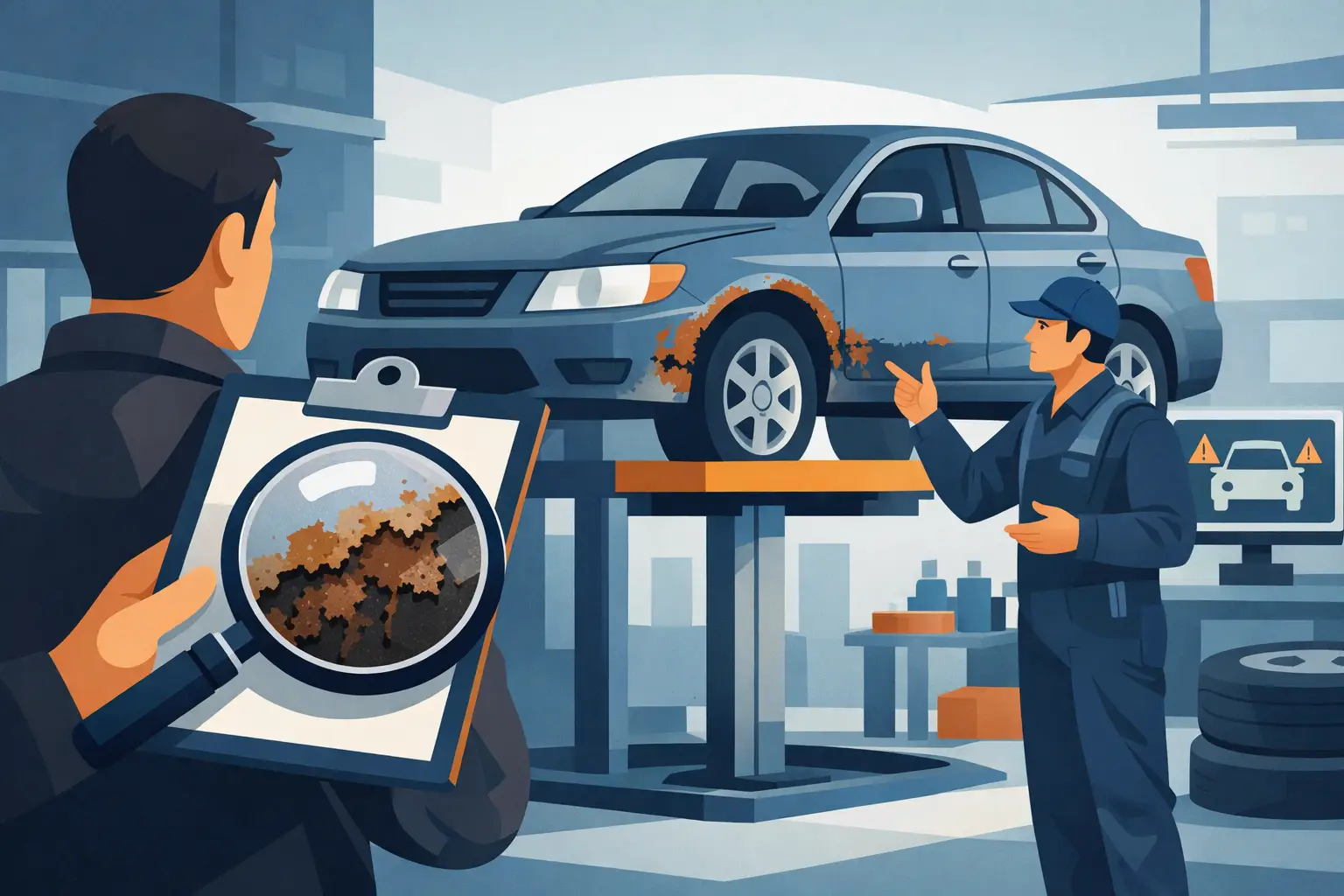
A stone chip is not just a cosmetic blemish. Once the paint layer is broken, moisture can reach bare metal and rust can start underneath the surrounding paint. What begins as a pin-sized chip can spread into a repair that requires sanding, rust treatment and repainting.
Inspect the bonnet, roof edge, front bumper, wheel arches and lower doors every few weeks, particularly after long trips or driving on rough roads. Touch-up paint can be suitable for very small chips, but it needs to match correctly and be applied carefully. Thick blobs of touch-up paint often look worse than the original chip.
For deeper scratches, peeling clear coat, bubbling paint or any sign of rust, professional repair is the sensible option. Proper repair means dealing with the cause, preparing the damaged area and blending colour and clear coat so the finish holds up. Covering rust with a quick touch-up may hide it briefly, but it will not stop it spreading.
Keep Wheels, Seals and Drains Clean
Paintwork does not sit alone. Mud and grime trapped behind wheel arch liners, along door edges or around boot seals hold moisture against metal. Over time, that creates the right conditions for corrosion.
Rinse underneath the vehicle after beach driving, wet rural roads or exposure to heavy road salt. Pay extra attention to wheel arches and the lower sections of the doors. If you live near the coast or regularly launch a boat, underbody protection and regular inspections are especially worthwhile.
Clear leaves and debris from drains at the base of the windscreen and around the boot. Blocked drains can cause water to sit where it should not, leading to rust, damp interiors and electrical issues that are far more frustrating than a simple cleaning job.
Protect a Fresh Repair or Respray Properly
Freshly painted panels need a little patience. Modern refinishing products cure well, but a new finish should still be treated carefully in its early period. Your repairer will advise you on the right waiting time before washing, polishing or applying a coating, as it can vary with the paint system and repair work completed.
In the meantime, avoid abrasive washing, harsh chemicals and parking under trees where possible. Do not rush to wax or polish a newly painted panel without checking first. Giving the finish time to settle is part of protecting the quality you have paid for.
A clean, protected car is easier to maintain, holds its appearance longer and makes future damage easier to spot. Give the paint a regular check, deal with contamination promptly and repair chips before rust gets a foothold. Your car does not need to be a show vehicle to deserve a finish that still looks sharp when you walk back to it in the car park.